Wazuka: Café and Tea co-op
From the temple, we traveled into the countryside for about 10 miles to Wazuka-cha Cafe in the Wazuka tea-producing area. Wazuka was certified as one of the Most Beautiful Villages in Japan in 2013 and a Japan Heritage site in 2015.
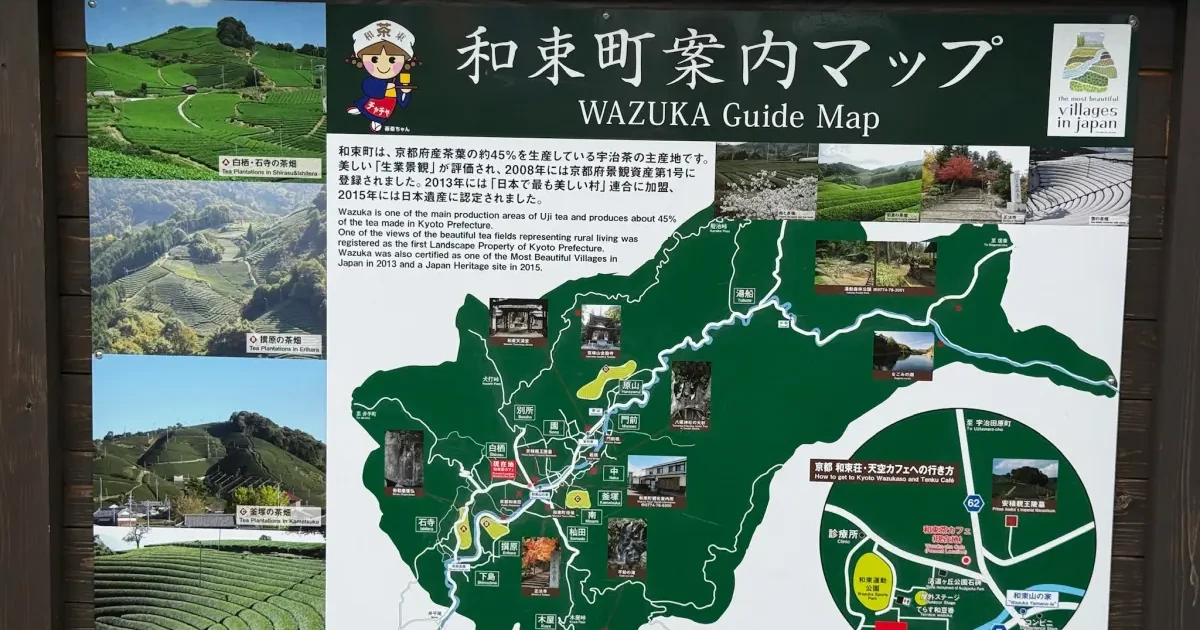
From the temple, we traveled into the countryside for about 10 miles to Wazuka-cha Cafe (和束茶カフェ) 🗾 in the Wazuka tea-producing area. Wazuka (和束町) 🗾, a small town, is in the center of the main production areas of Uji tea and accounts for about 45% of the tea produced in Kyoto Prefecture. Wazuka was certified as one of the Most Beautiful Villages in Japan in 2013 and a Japan Heritage site in 2015.
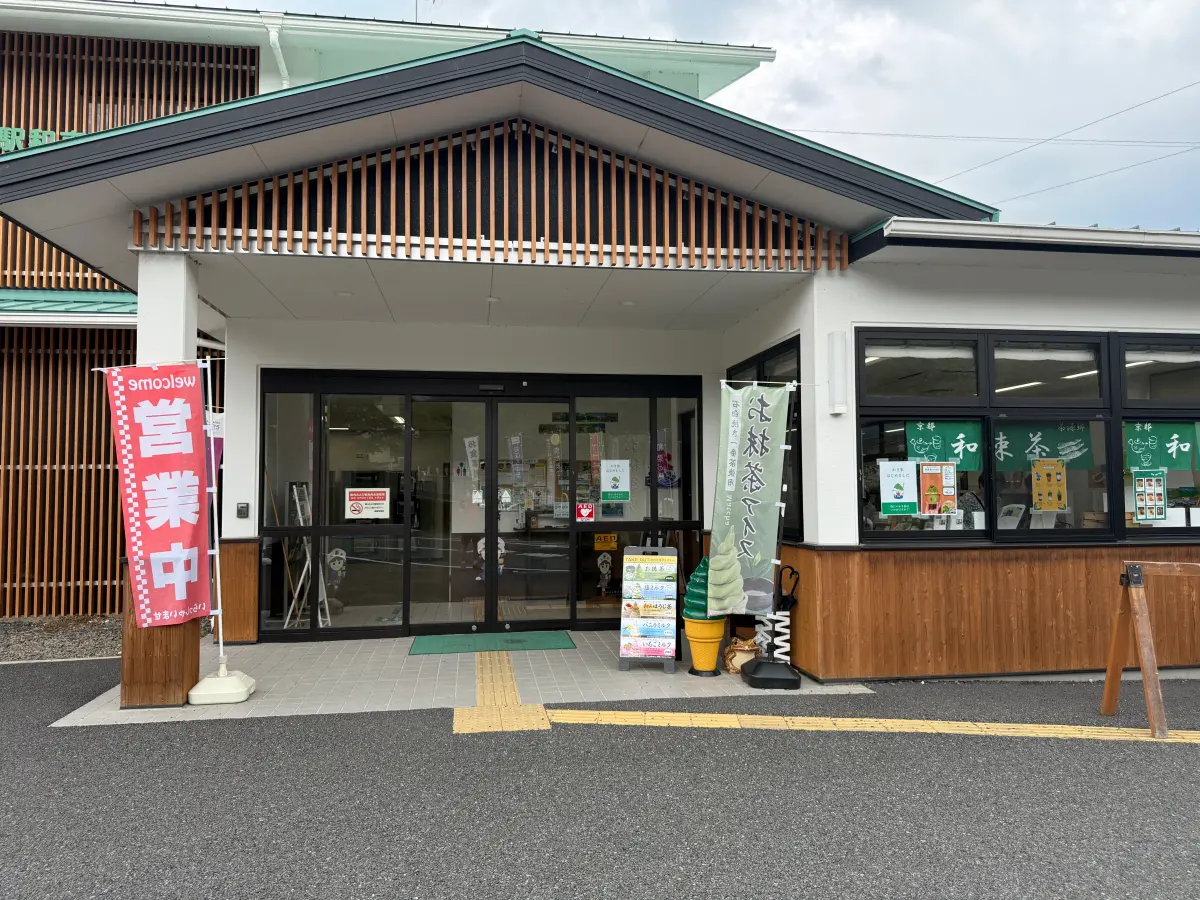 Wazuka Cha Cafe
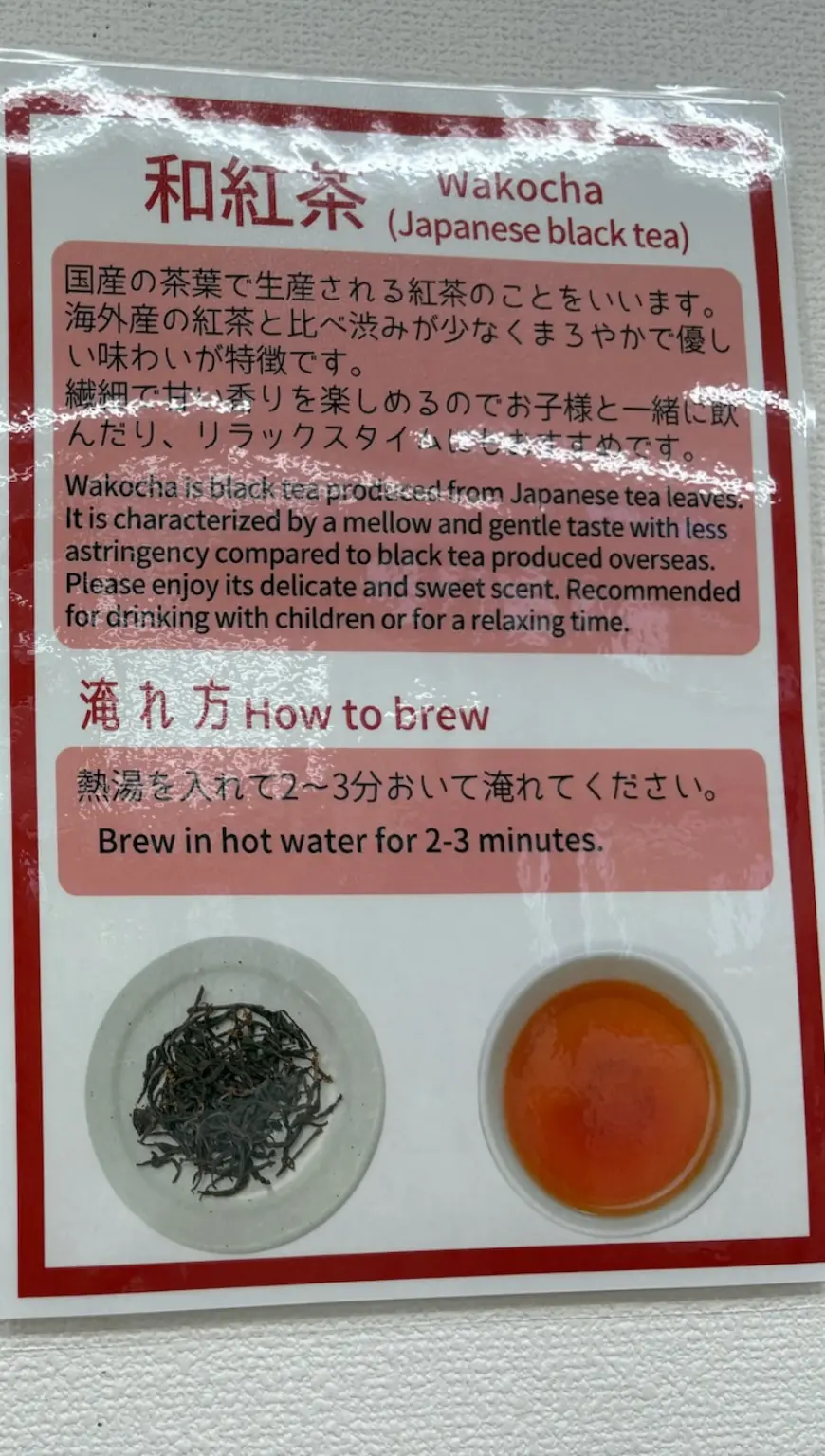
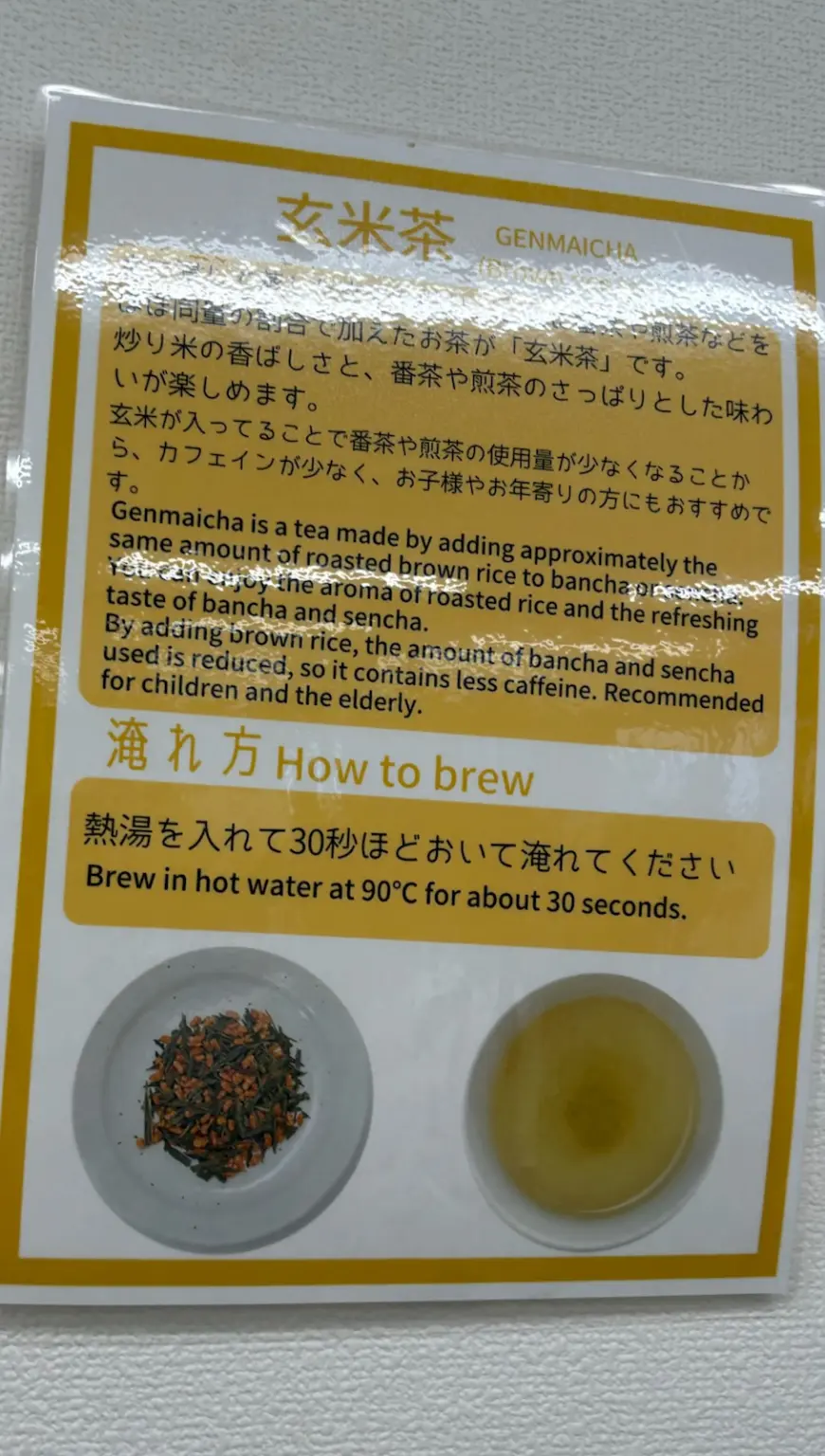
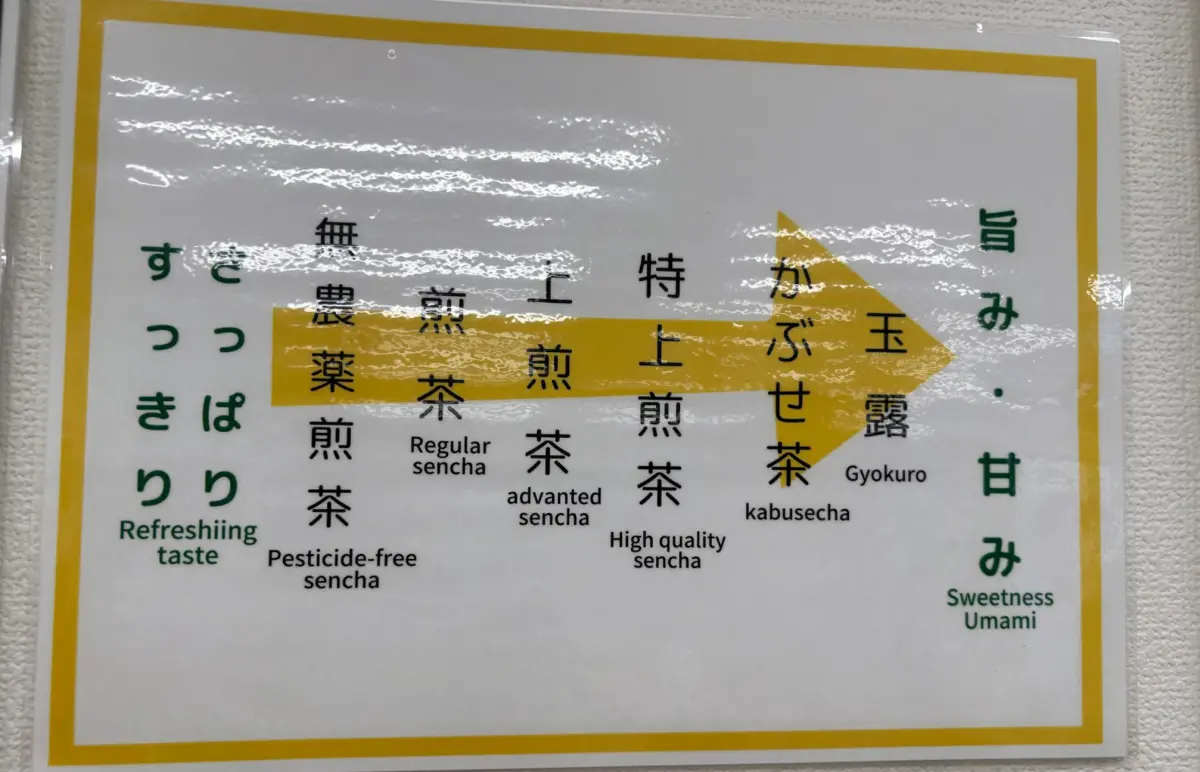
The Café is both a place to drink tea and a co-op store where you can buy tea and related products. There is also a display showing the characteristics of various kinds of tea. All you ever wanted to know! We did buy a bunch of tea to take home. Now that we are home and have tasted some, we like it a lot. Unfortunately, the store has a sign up right now saying that due to US tariffs, they no longer export to the US.
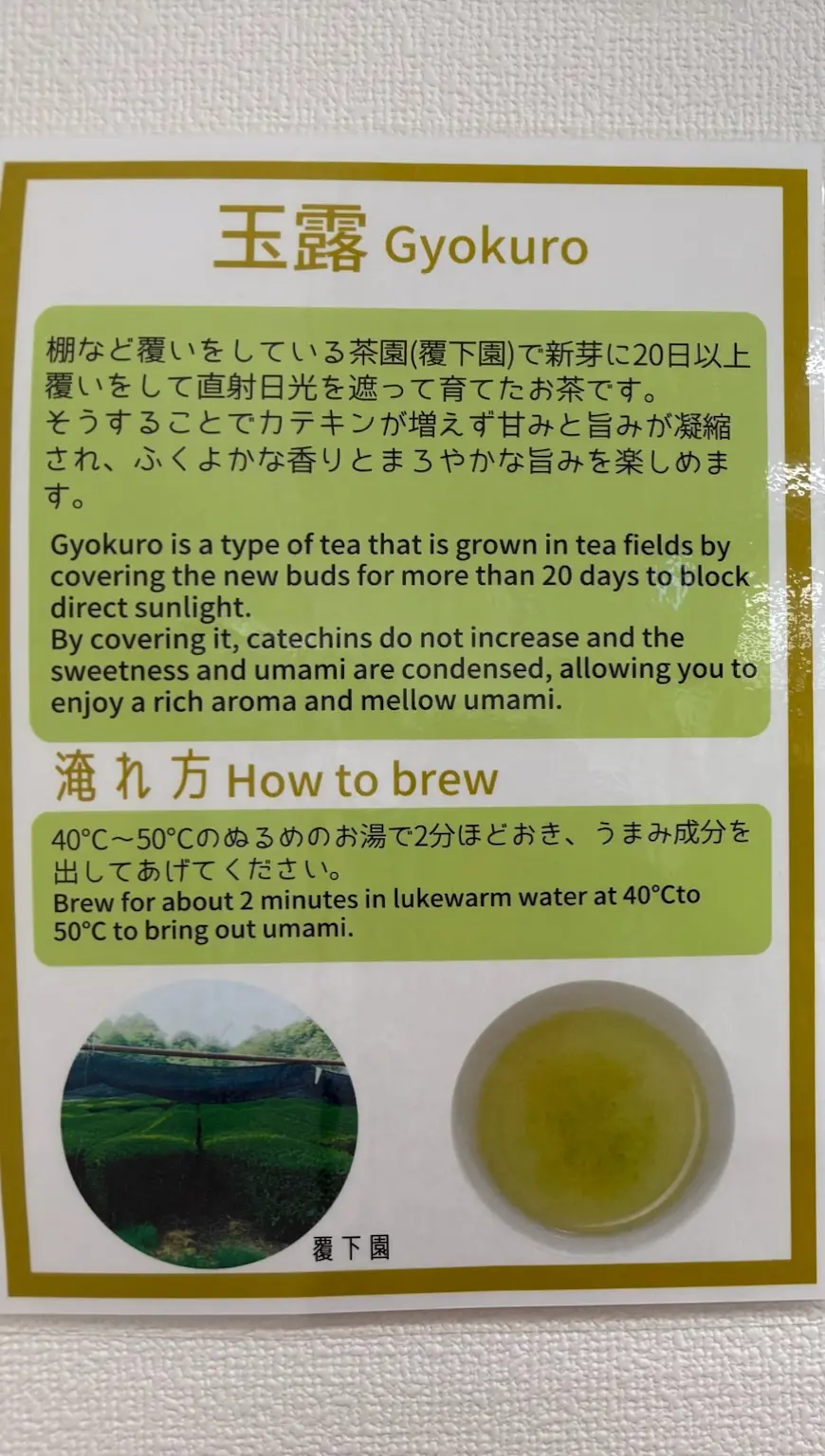
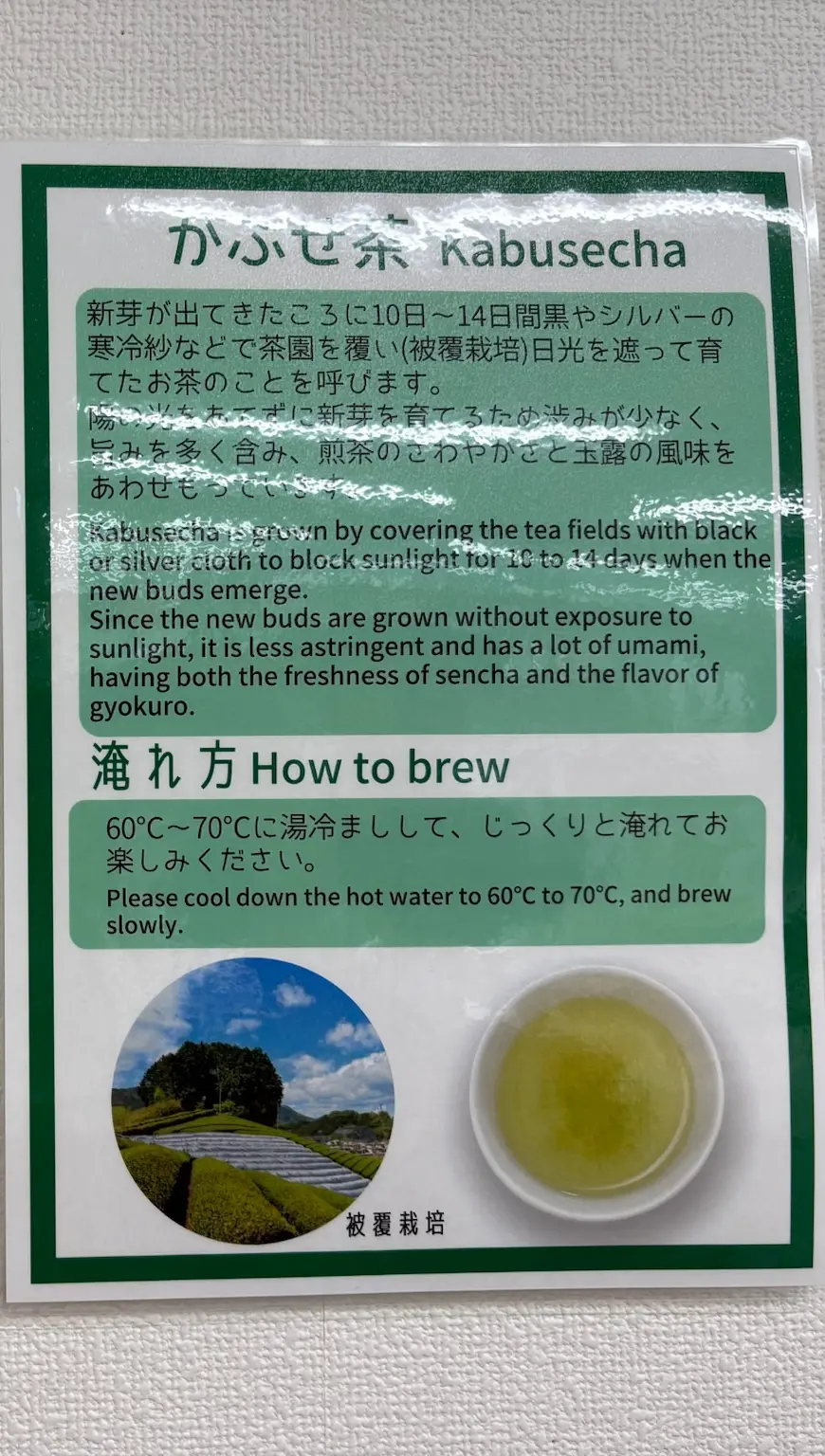
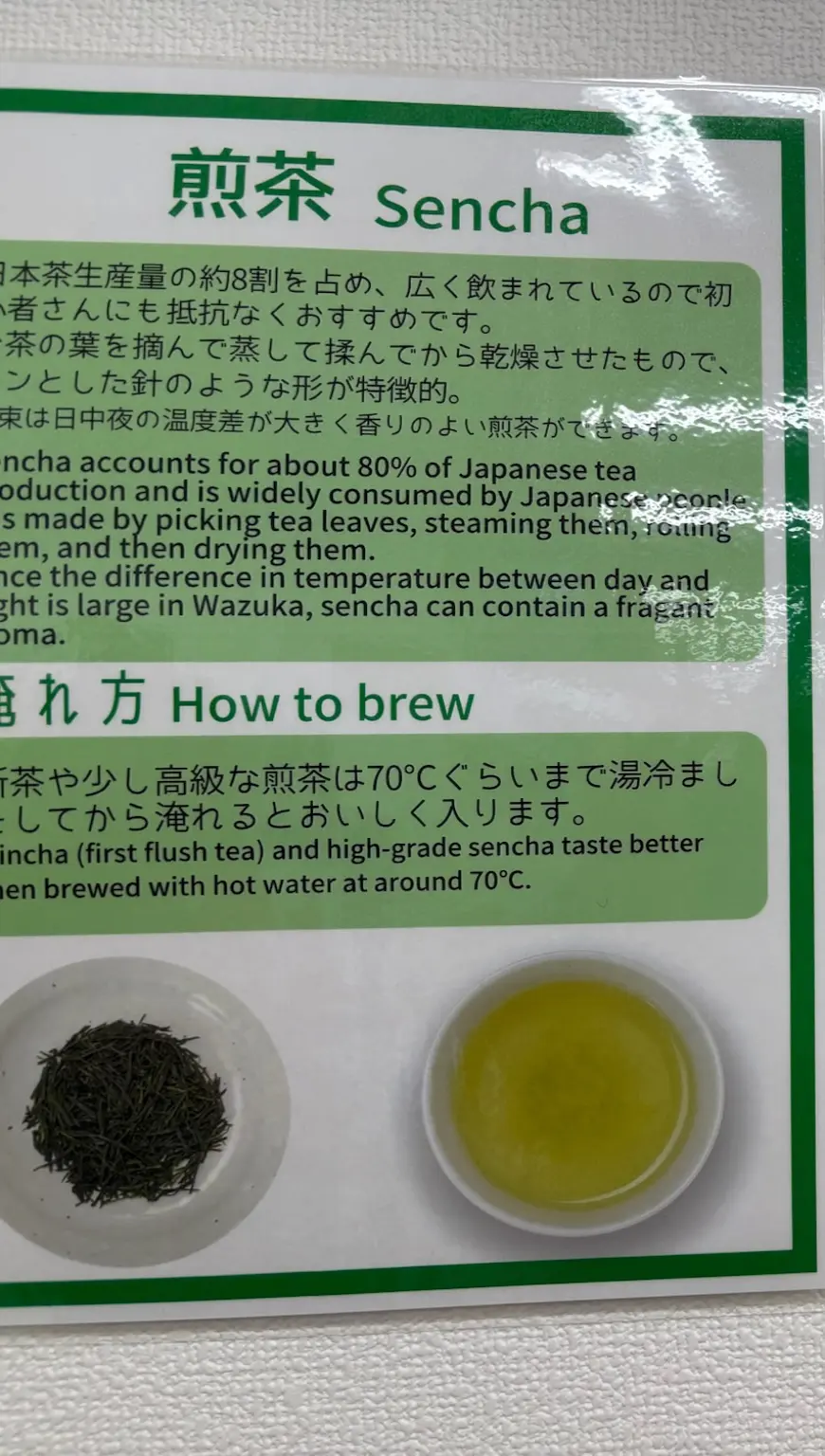
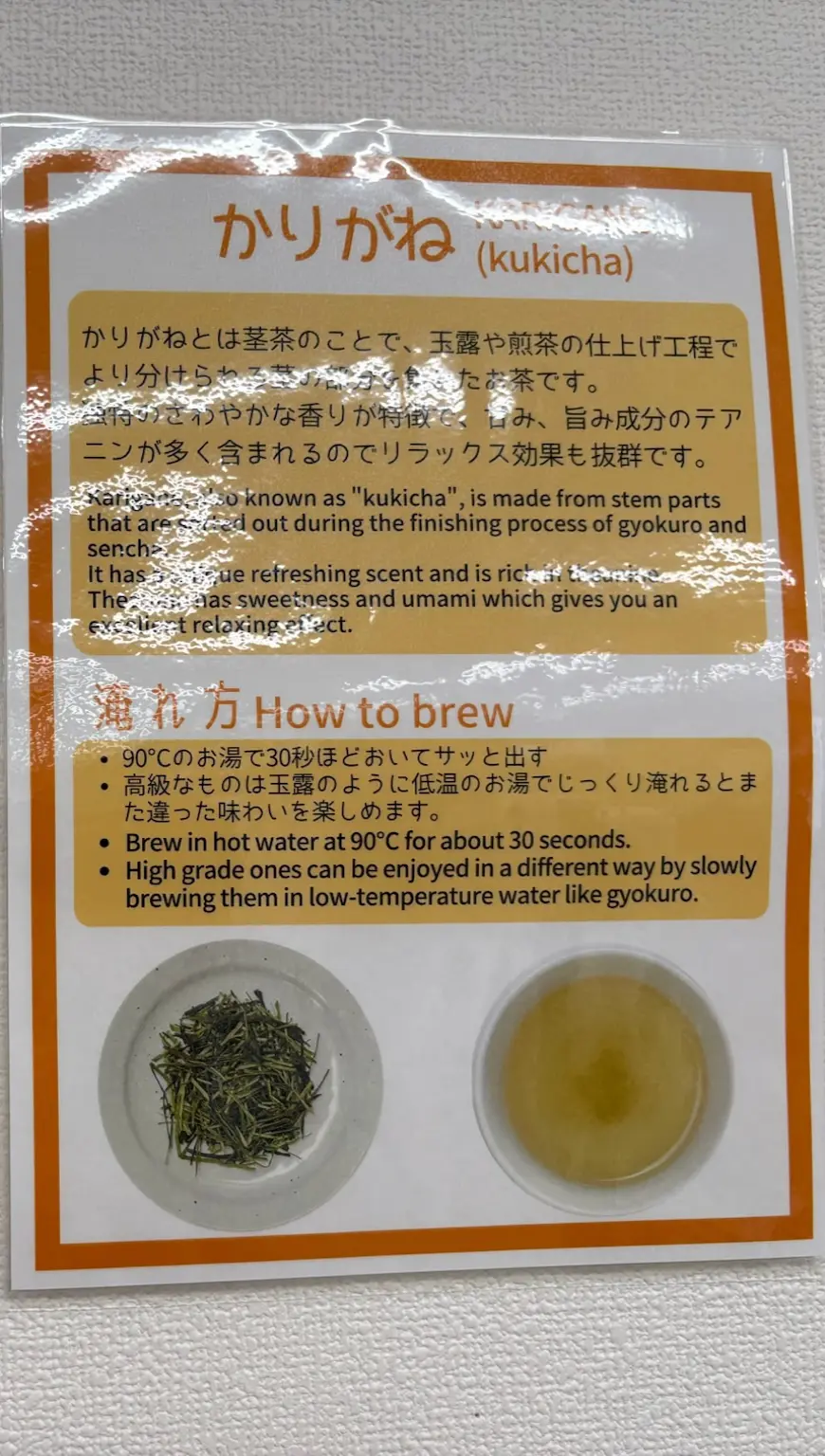
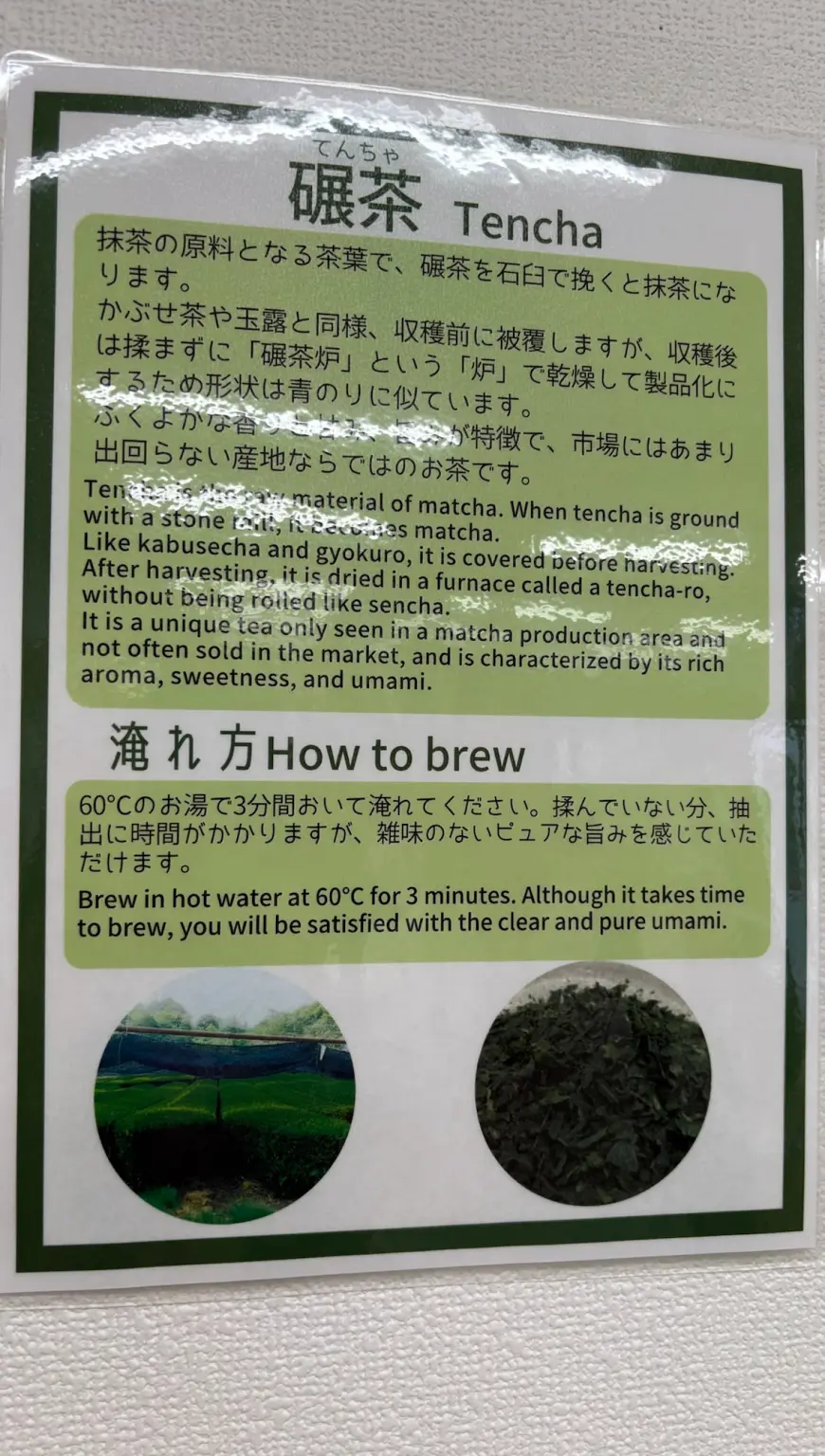
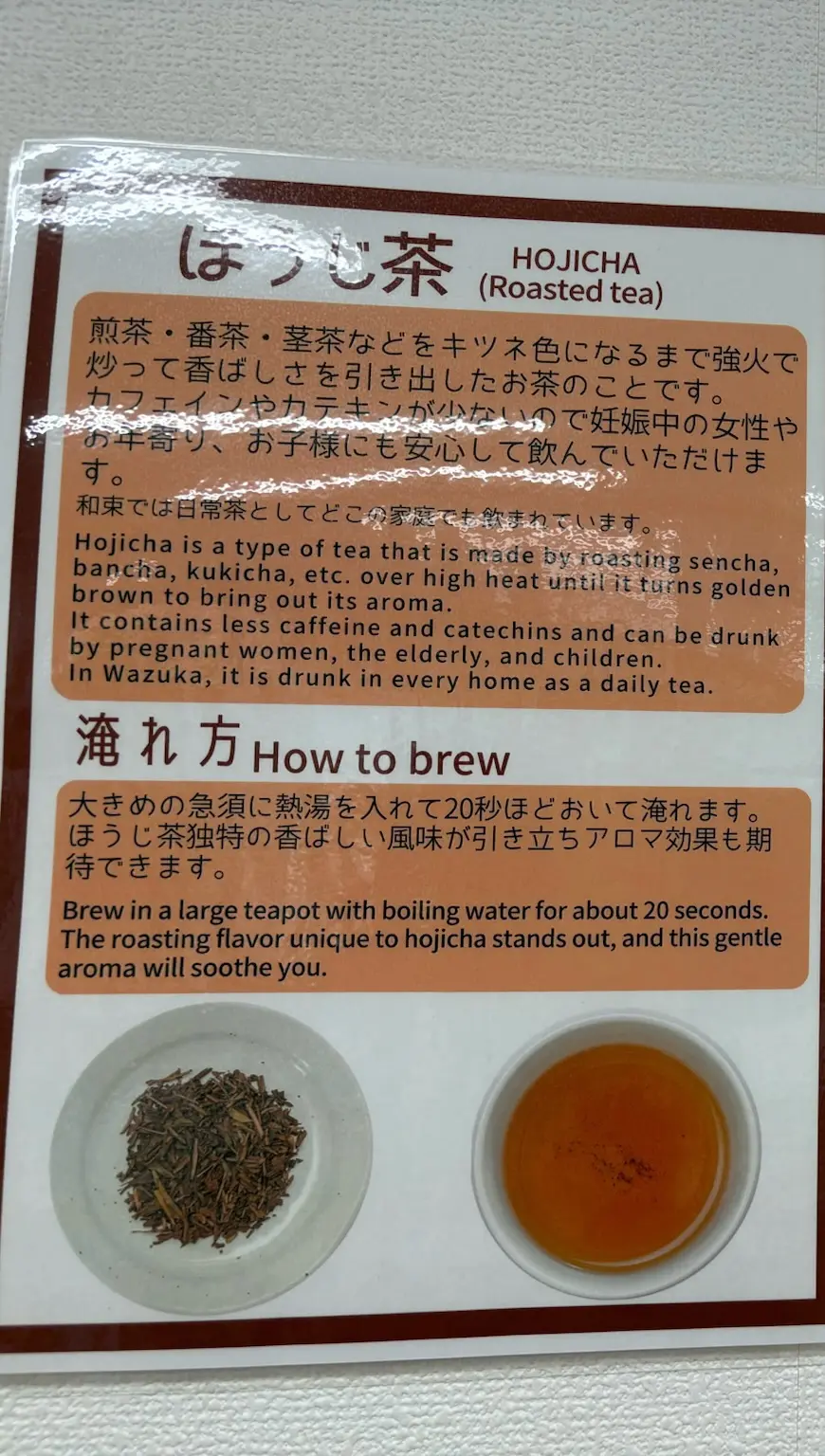
Uji tea (宇治茶, Uji-cha) is a common name for all Japanese green tea produced from Uji, Kyoto. The three main types of Uji tea are Matcha, Sencha, and Gyokuro. It is believed that Japanese tea originated with the introduction of drinking customs from Tang Dynasty in China during the Heian period.
Uji has witnessed the diversification of green tea. The development of the shaded cultivation method known as Ōishita saibai in Uji during the 15th or 16th century led to the birth of modern-day matcha. Beginning with high-grade matcha, which was accessible only to the nobles, Sencha was invented in the 18th century to meet the needs of common people. The combination of these two tea production techniques produced gyokuro.