The houses of Shirakawa-gō
We spent the day visiting the village of Shirakawa-go, a UNESCO World Heritage Site.
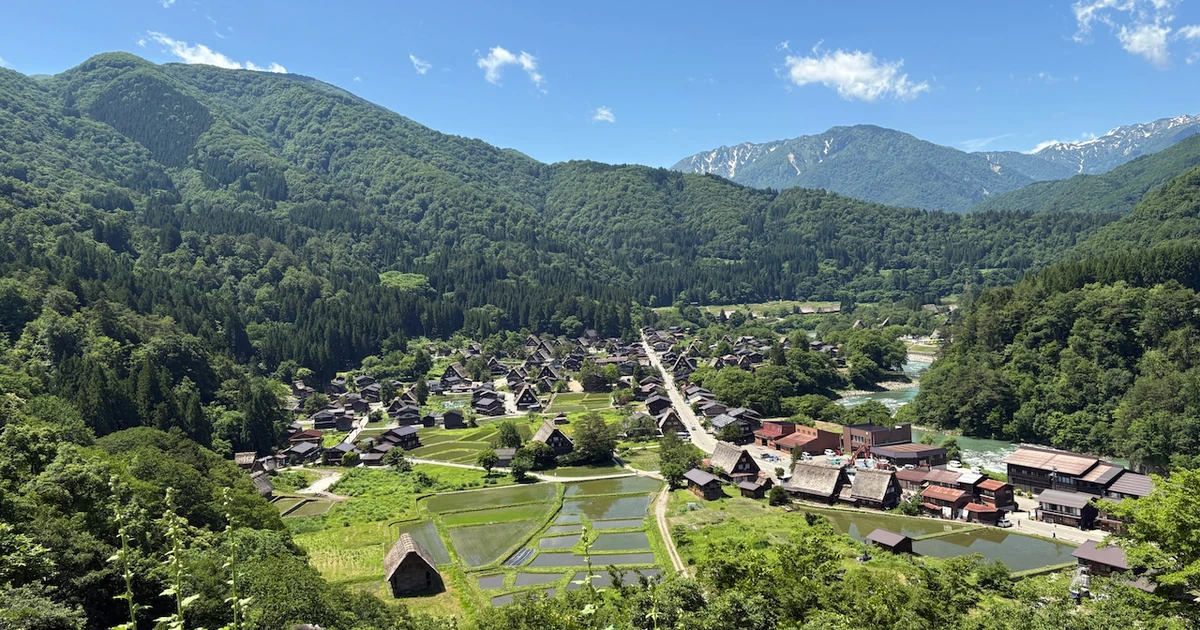
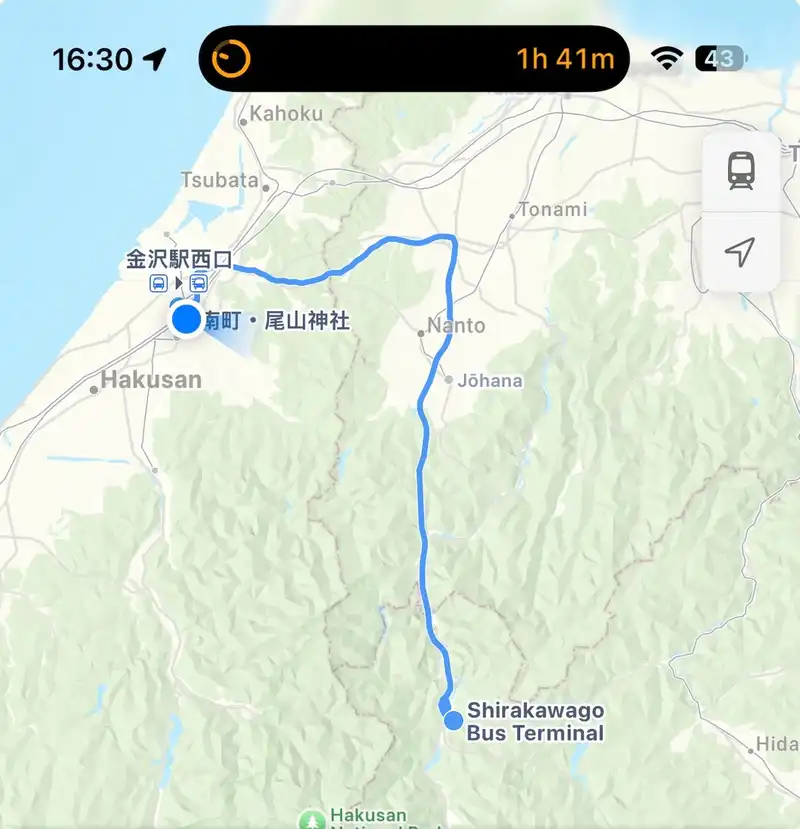
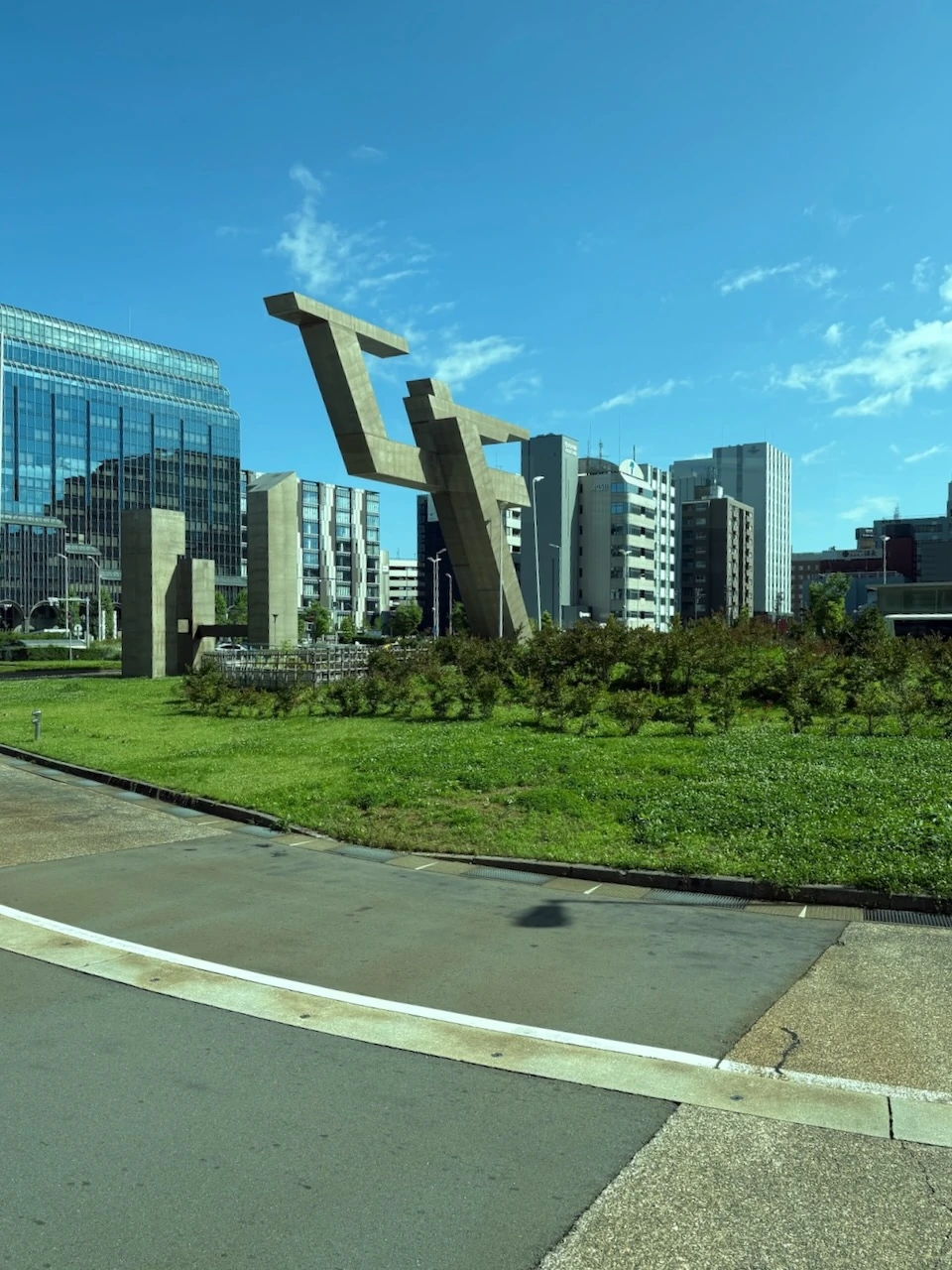
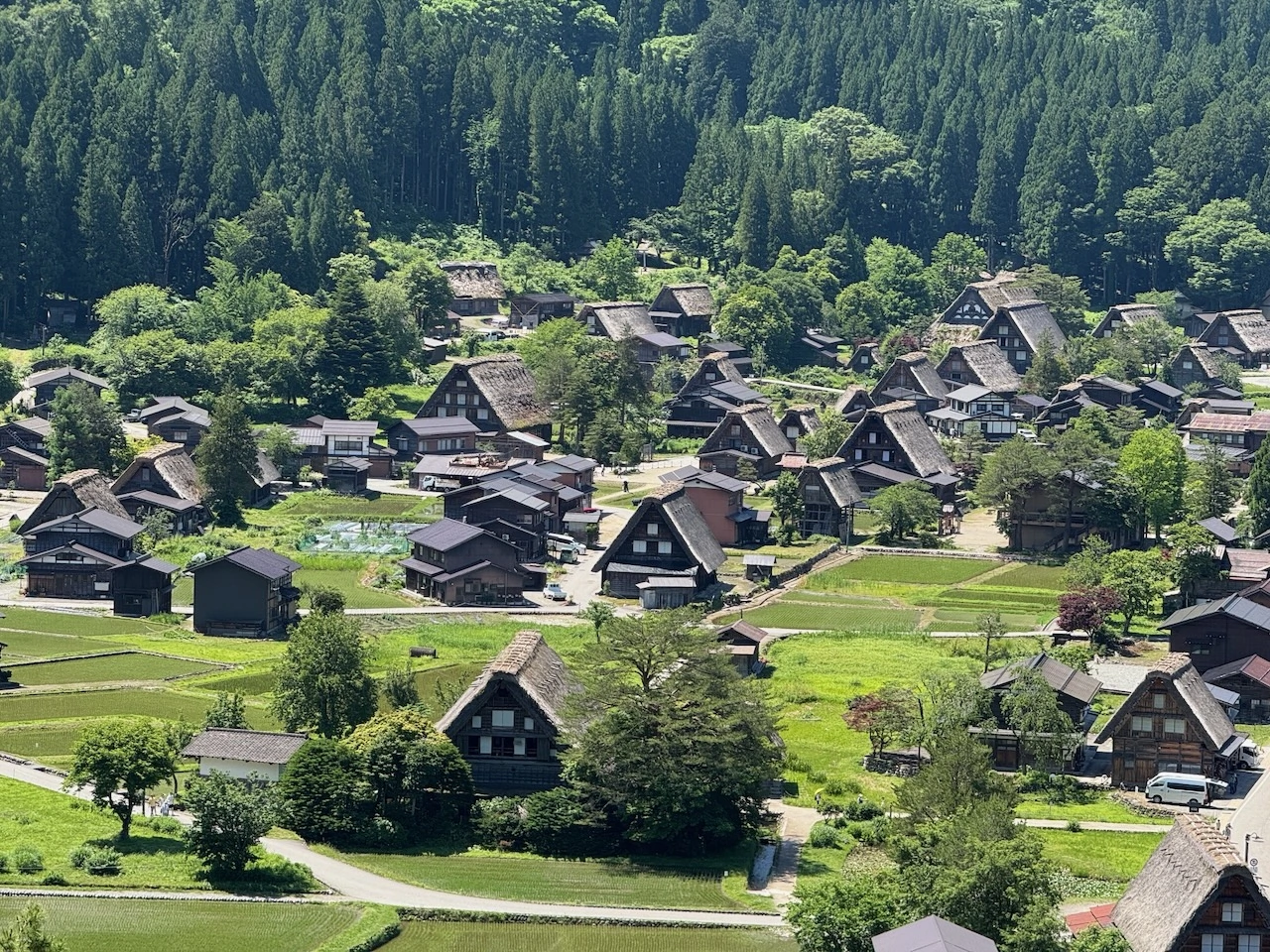
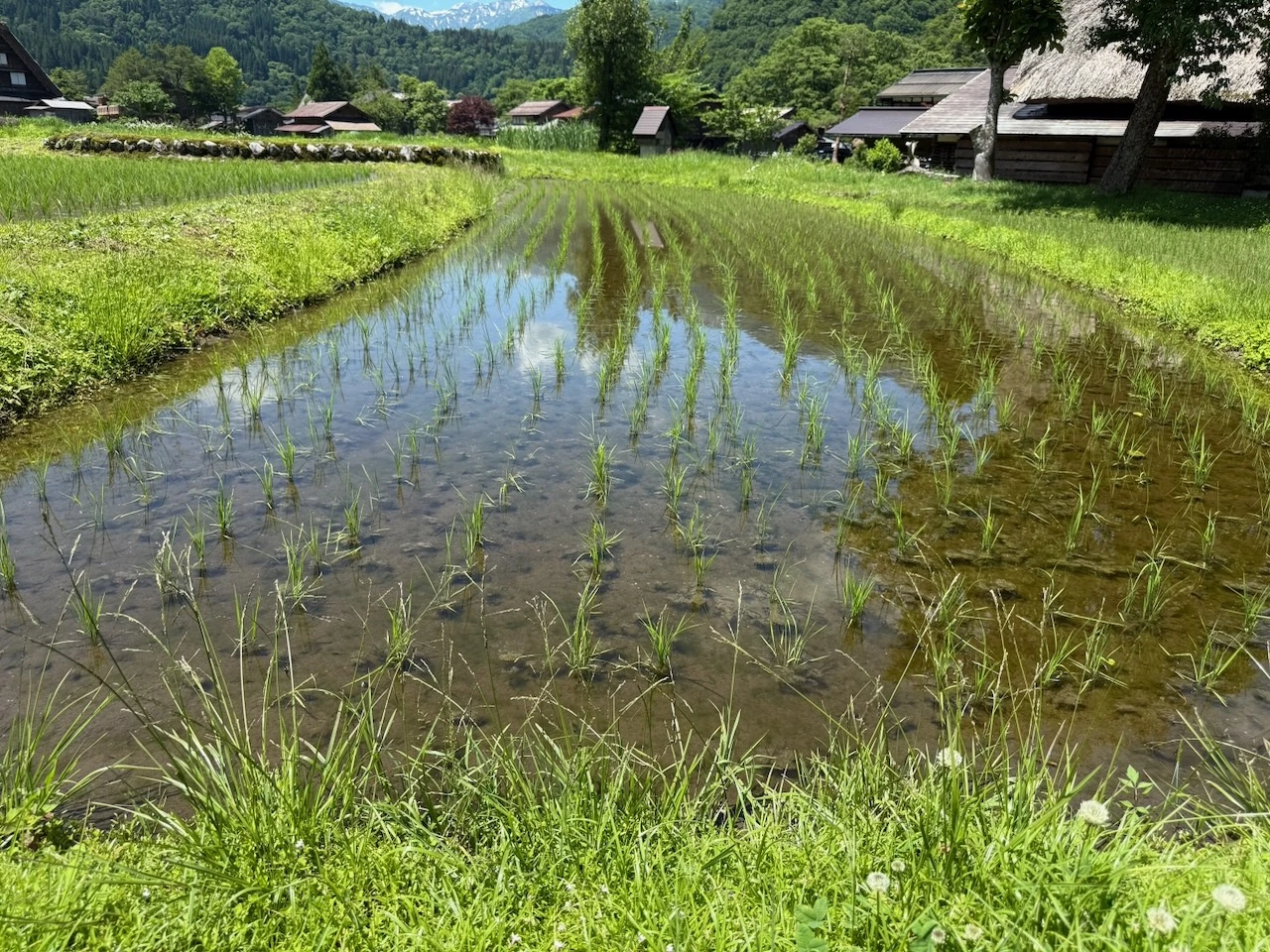
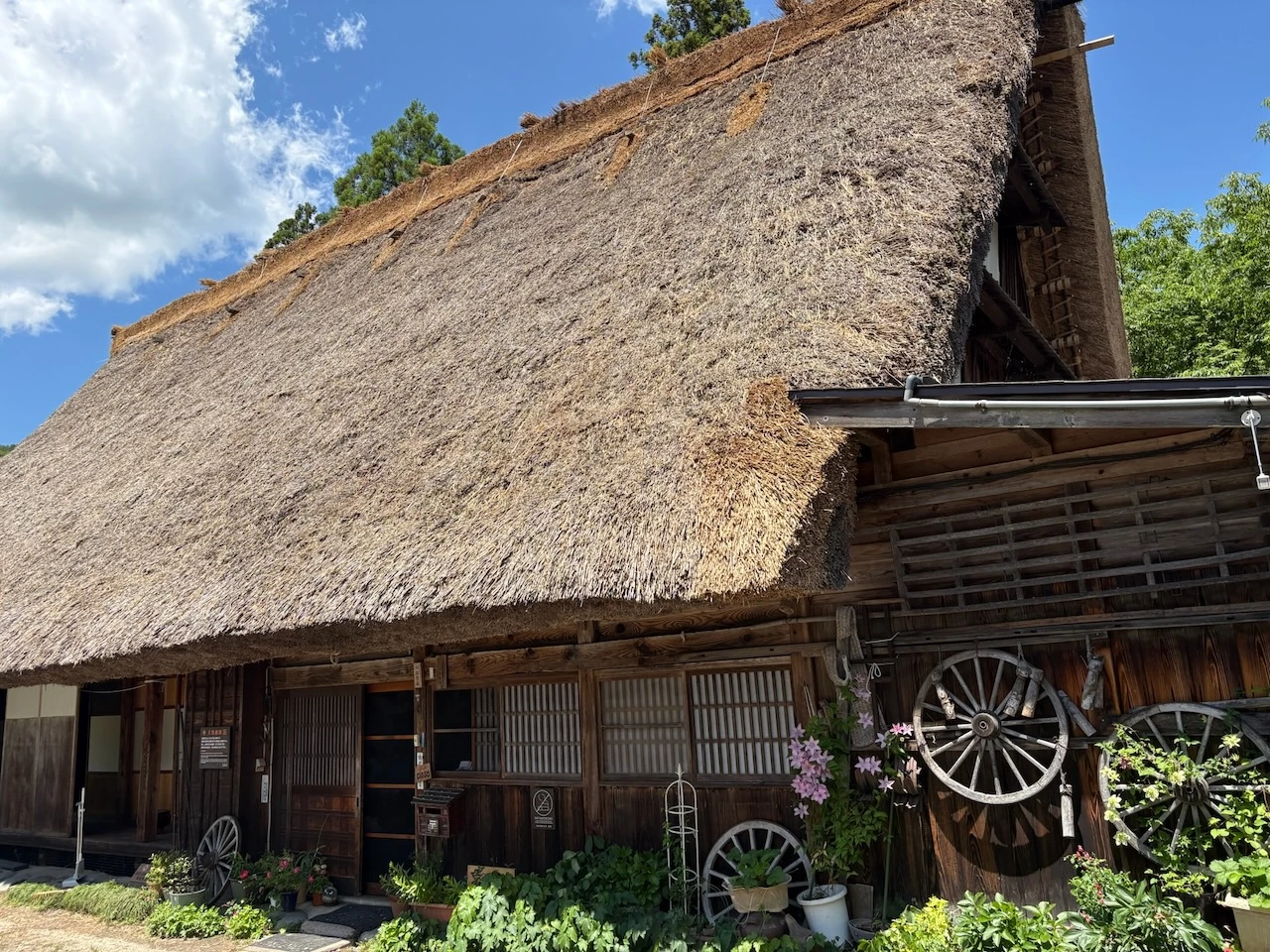
Our second full day in Kanazawa was spent mainly outside the city, in Shirakawa. We took a NOHI Highway Bus from Kanazawa Station (金沢駅) 🗾 to the historic village of Shirakawa-gō (白川郷) 🗾, located in the Ōno District, Gifu Prefecture. It is a small, traditional village showcasing a building style known as Gasshō-zukuri (合掌造り), which is designed to shed snow easily from its steep roofs. Together with Gokayama in Nanto, Toyama, it is a UNESCO World Heritage Site.
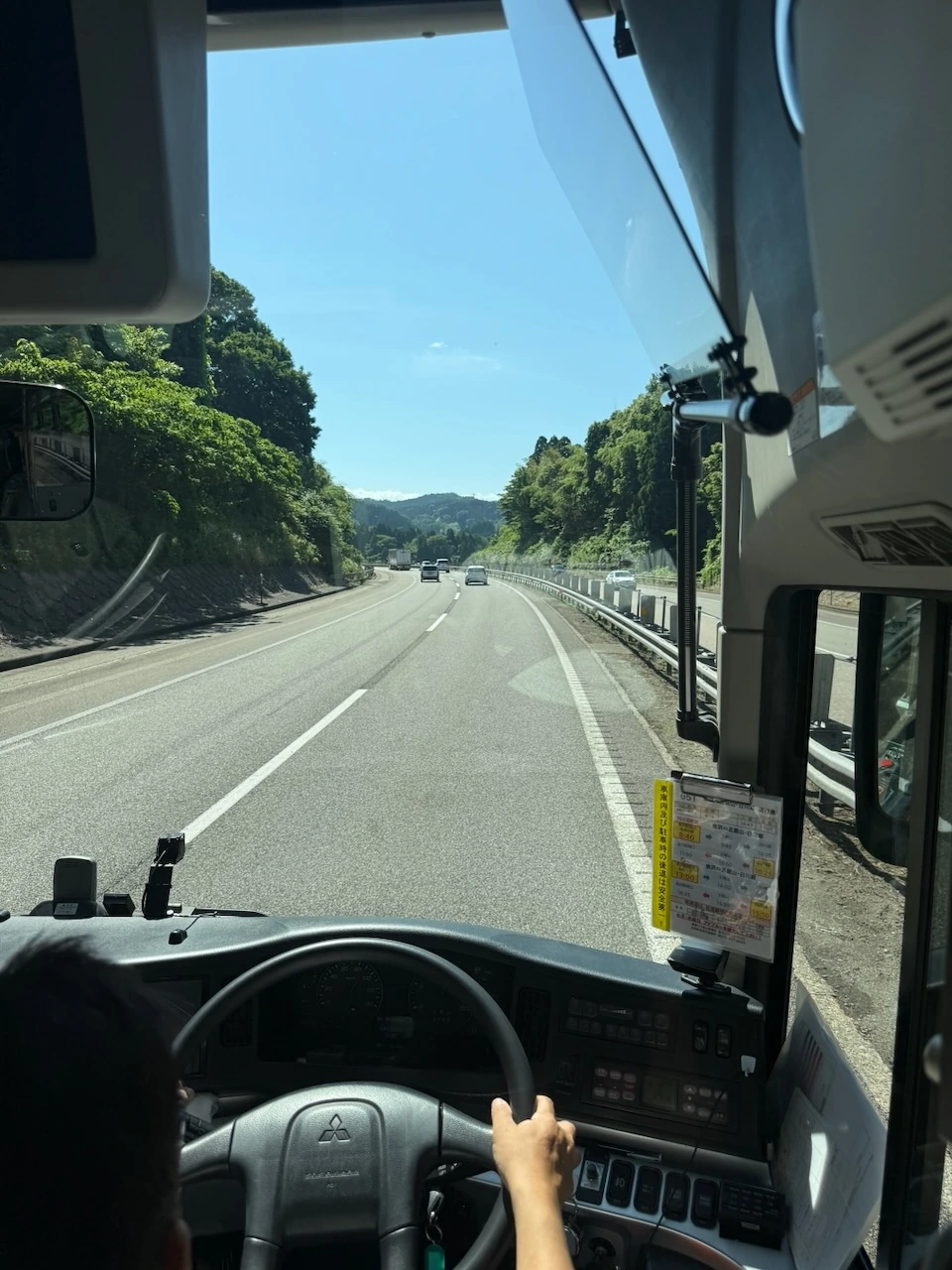
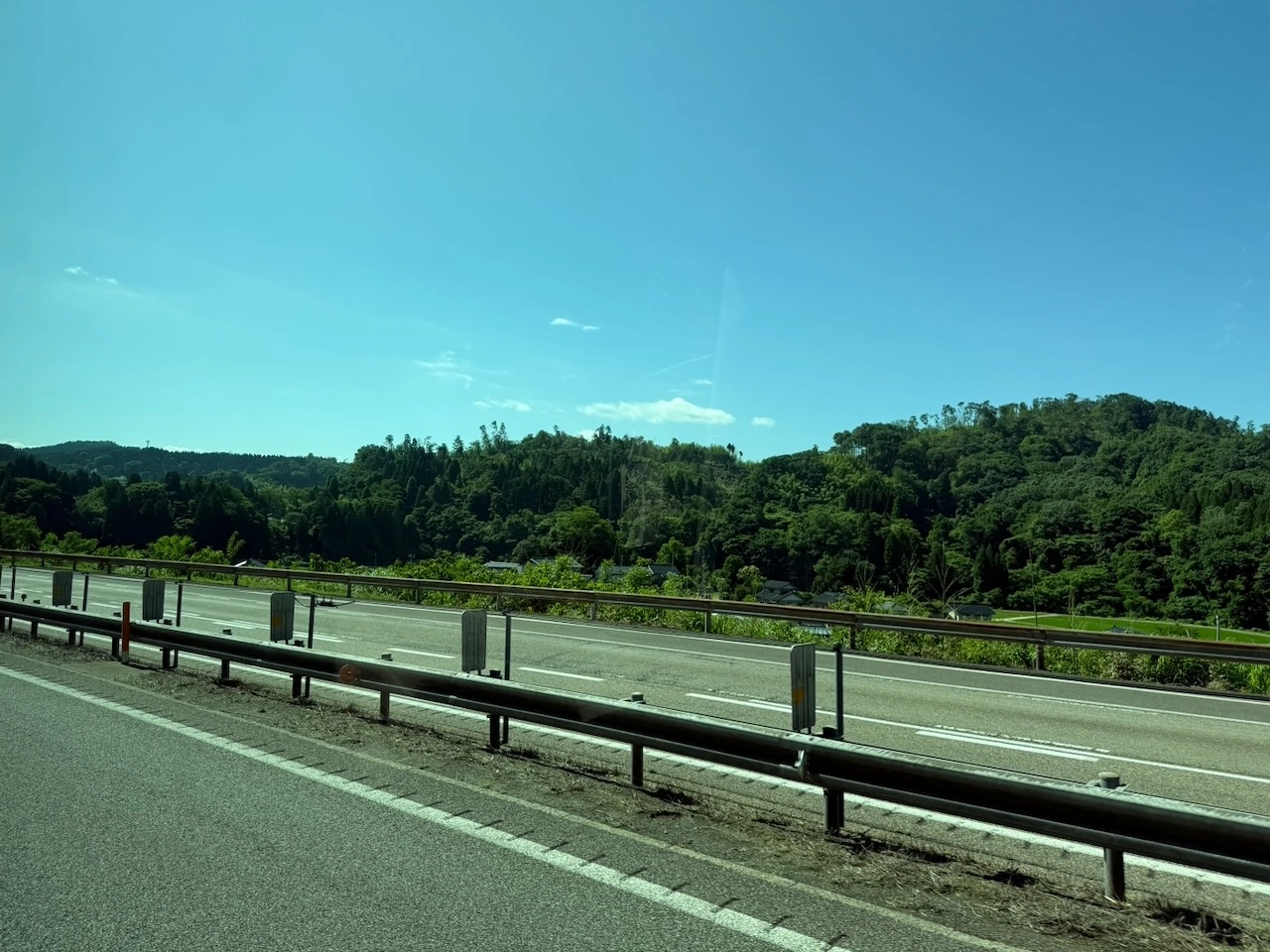
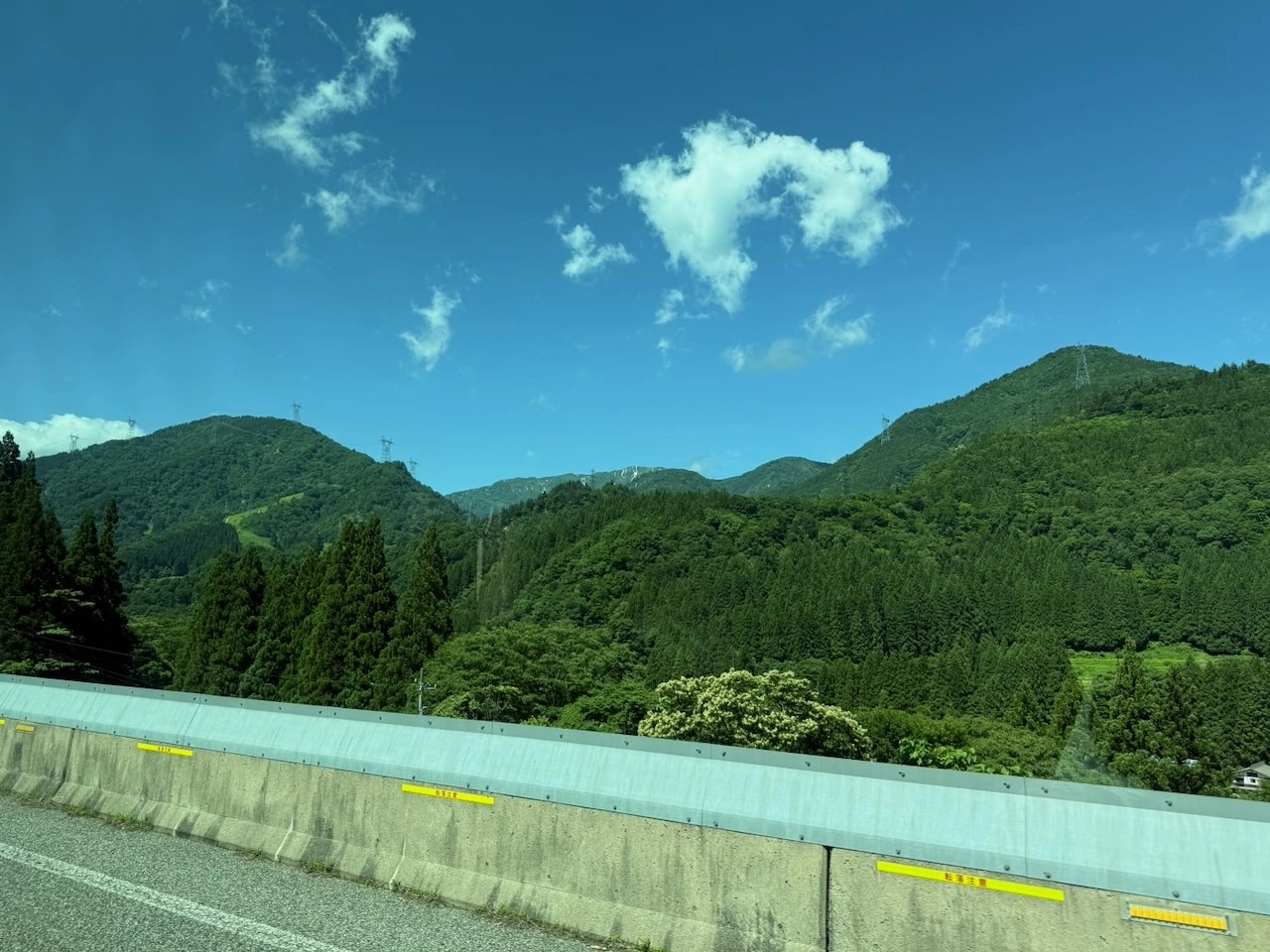
The drive was about an hour and twenty minutes long, first in an Easterly direction and then South into the mountains. This was another opportunity to see more of the countryside, and, in particular, the last part of the drive along winding roads offered spectacular scenery.
Exploring
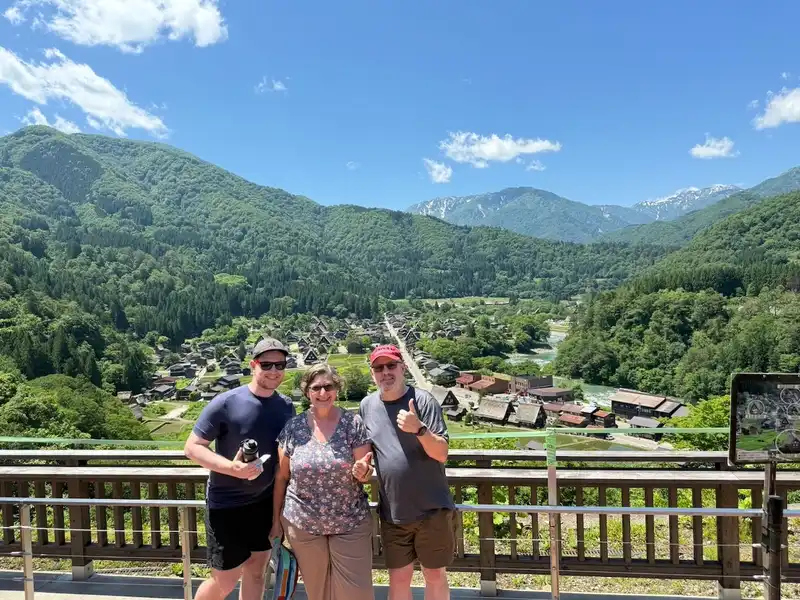
From the bus station, where we arrived around 10:00 AM, you can walk to explore the village, and, at the far end, find the open-air museum. First, however, we decided to go up the mountain behind the bus station for an overlook opportunity at the Shiroyama Tenshukaku Observatory, also known as the Ogimachi Castle Observation Deck (荻町城跡展望台). It was a fairly steep, although not too long, hike to get there, but you can also take a local bus (¥200) to the top (highly recommended if you are not in decent shape or have medical conditions). The overlook offers scenic views and photo opportunities, along with a small shop and food options.
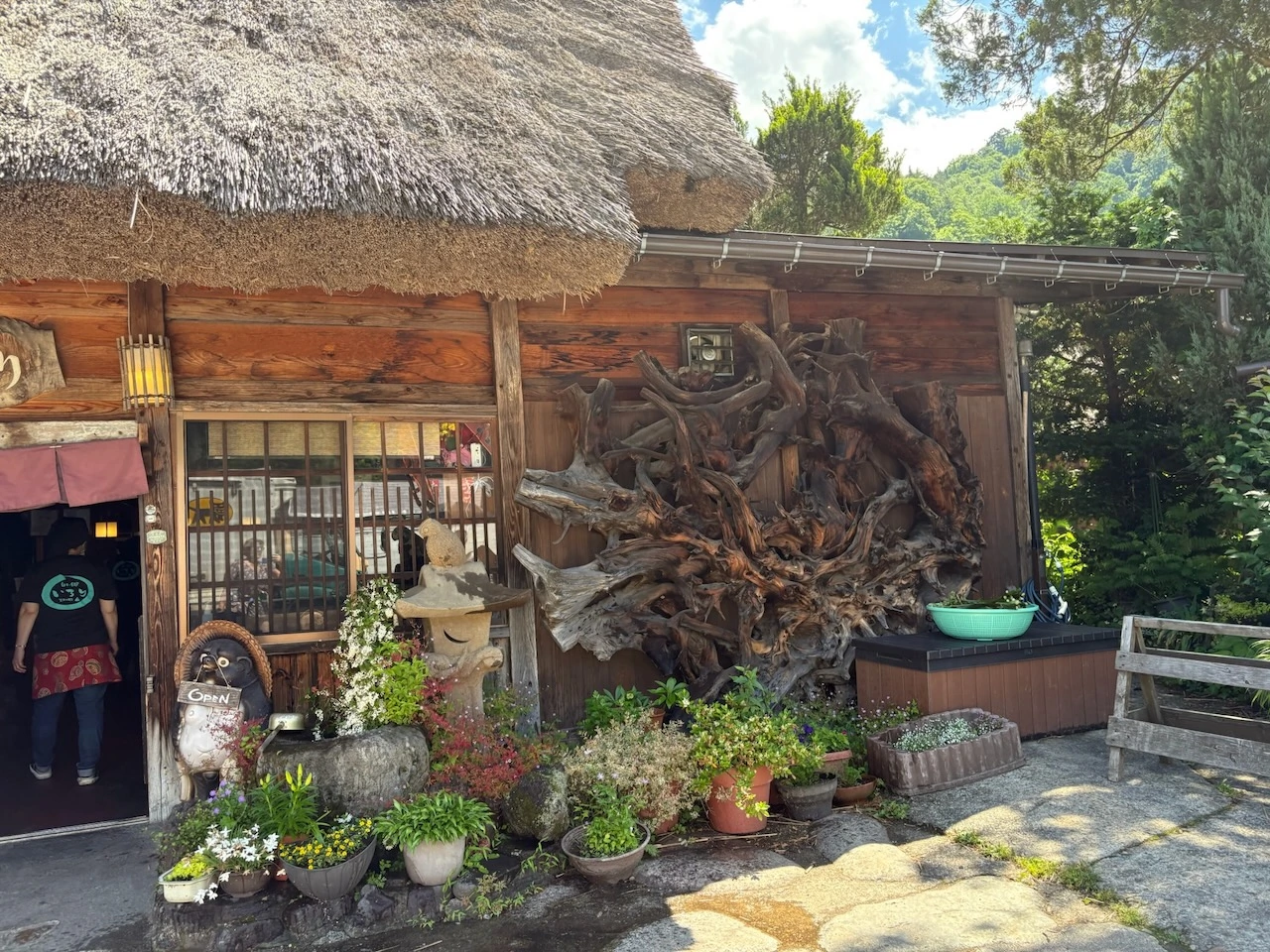
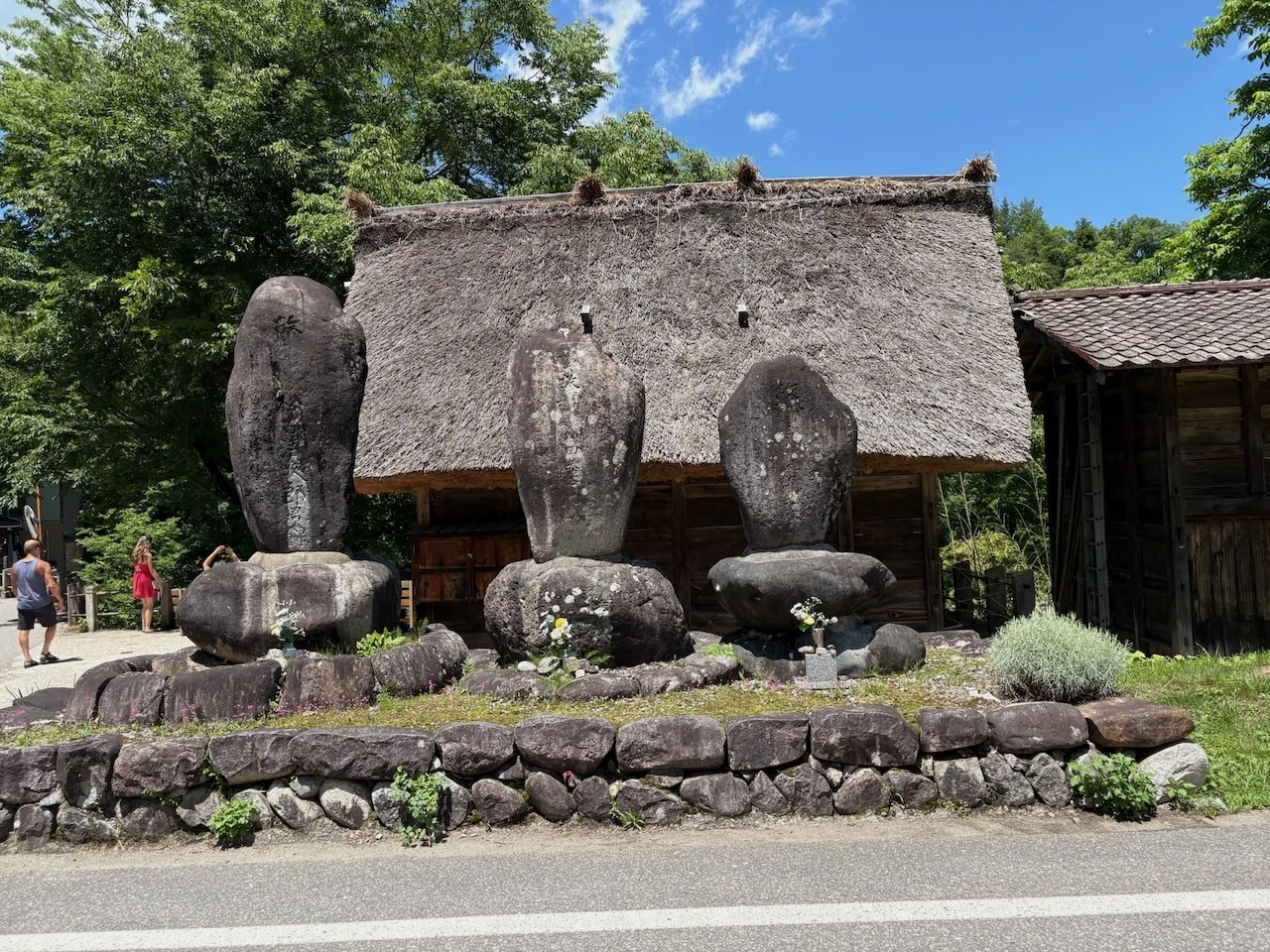
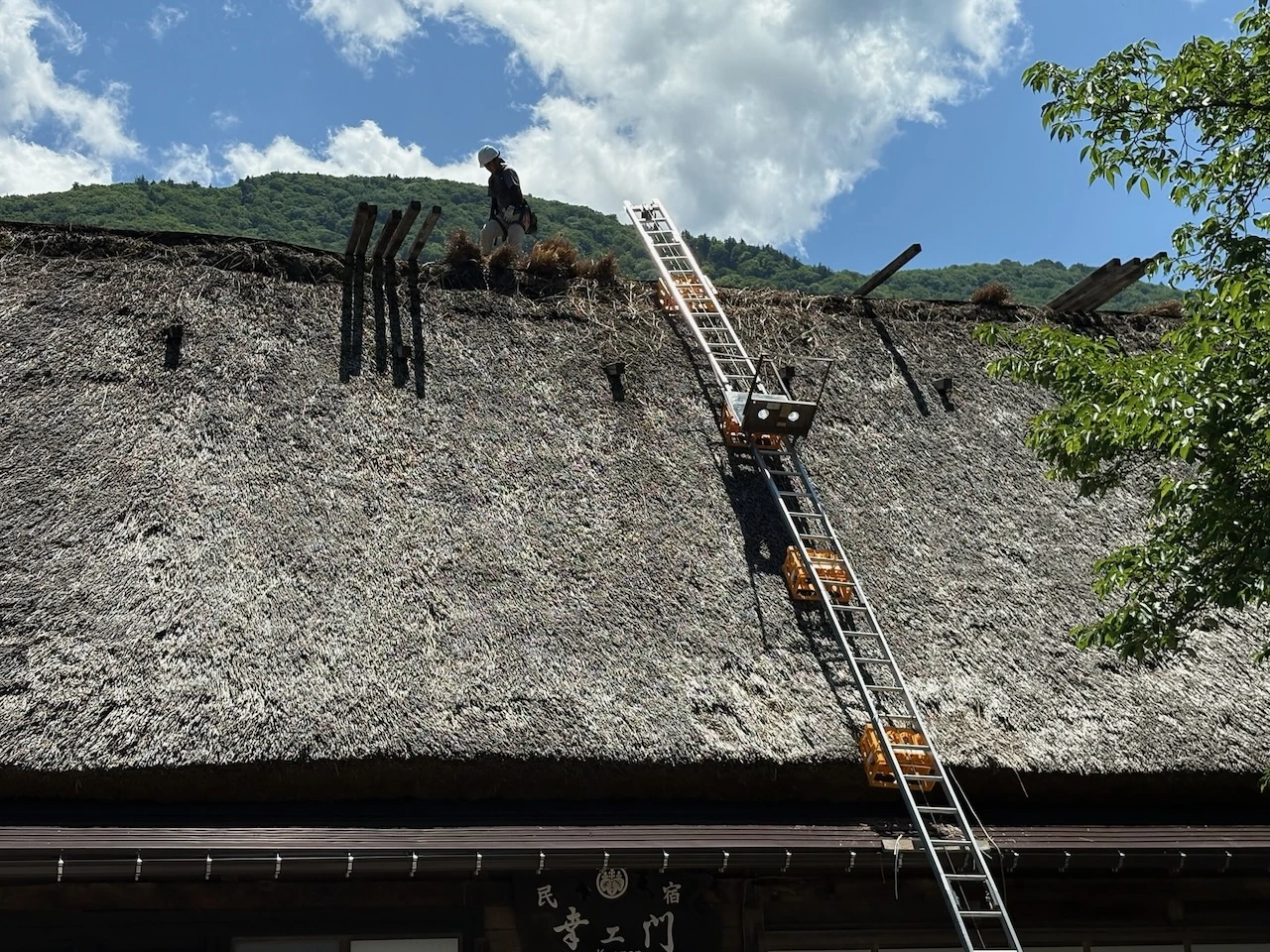
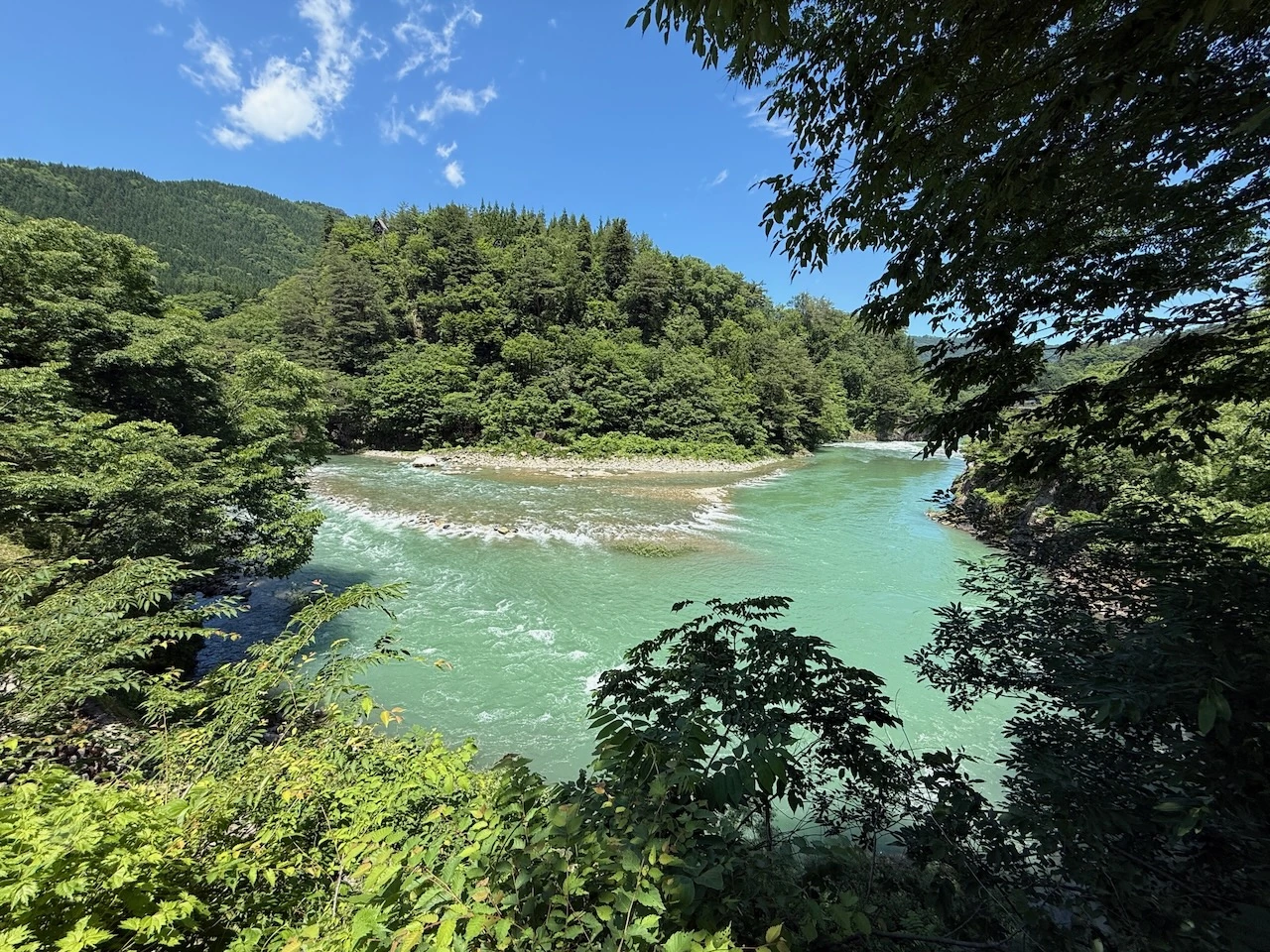
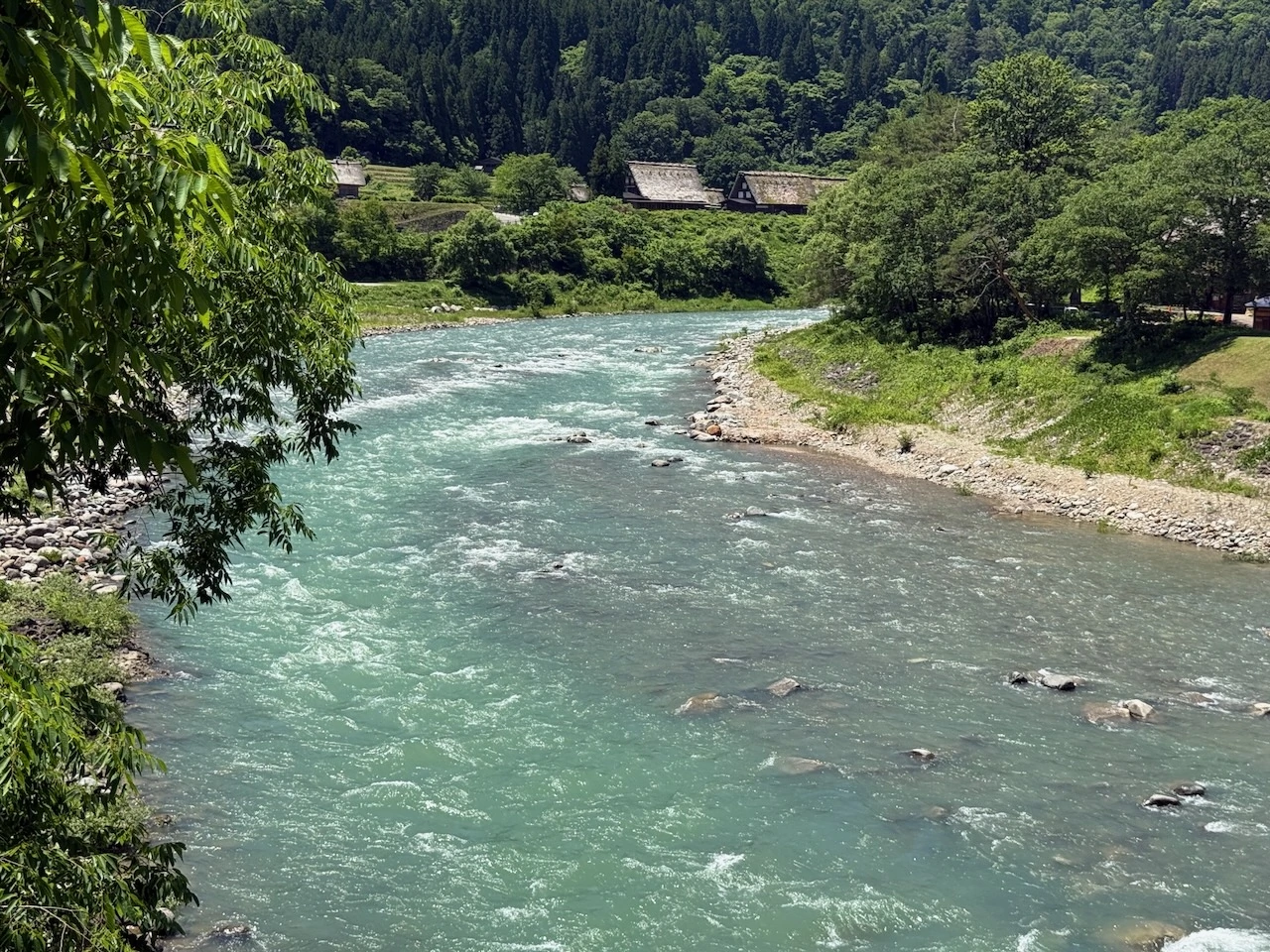
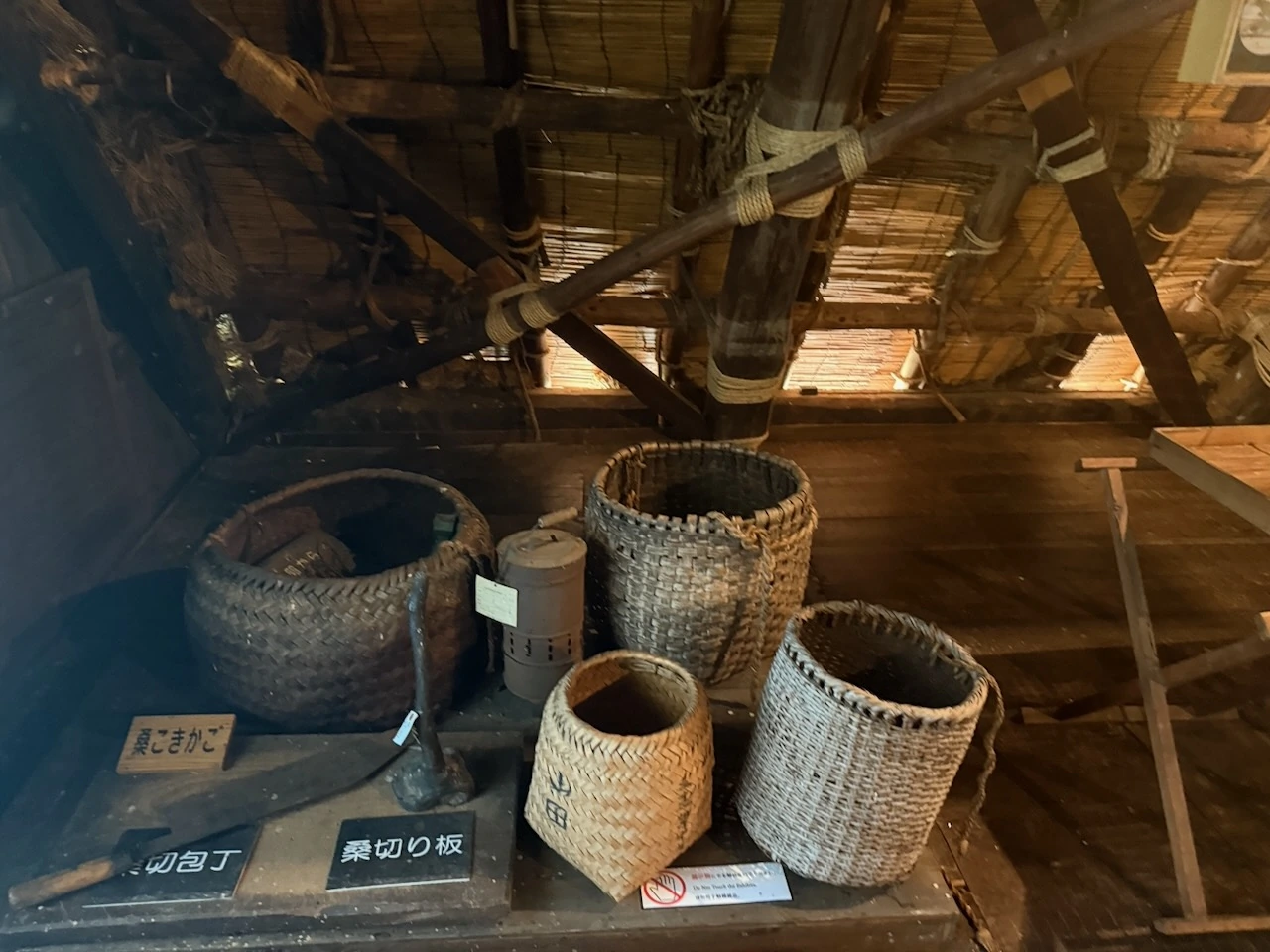
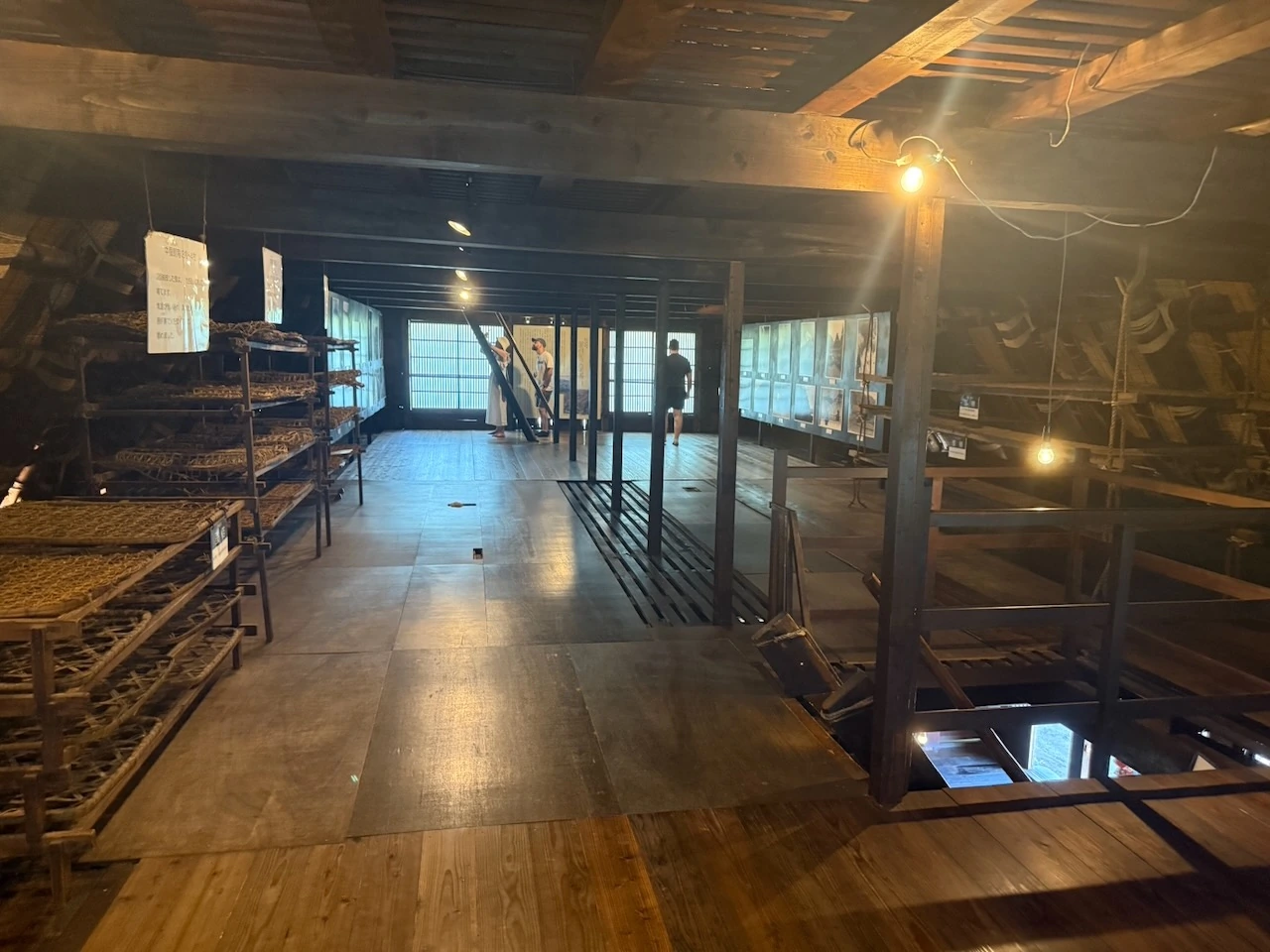
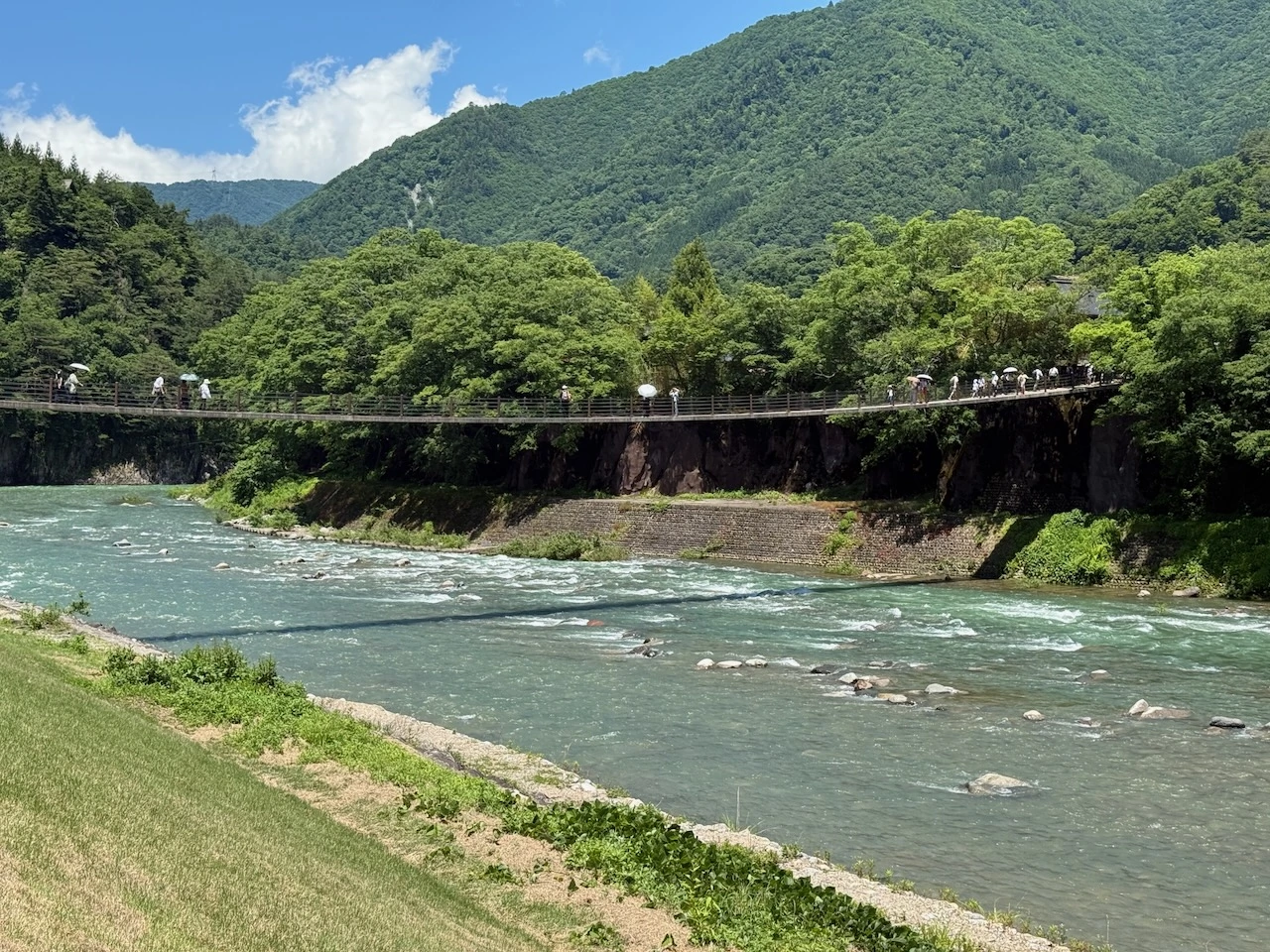
After walking down, we wandered through the village, initially along the main street (on the right-hand side of the town, from the bus station or the overlook). You’ll find small shops and restaurants, and you will see the traditional houses and their roofs. We even saw one where a new roof was under construction (thatched with straw). The houses are generally multi-story, with the upper floors used for sericulture and storage for trays of silkworms and mulberry leaves. Most of the houses in the village proper are occupied, and you cannot enter them, but you will have an opportunity in the open-air museum. After a bit we took a smaller street to the right, and then, after a sharp right turn, we crossed the Deai Bridge (であい橋(白川郷), a fairly long cable suspension bridge across the Shō River.
Open-air museum
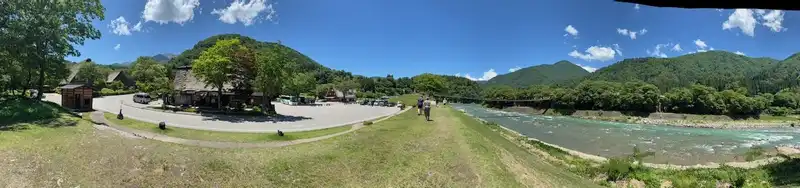
Panoramic view from the museum towards the parking, the river, and the bridge
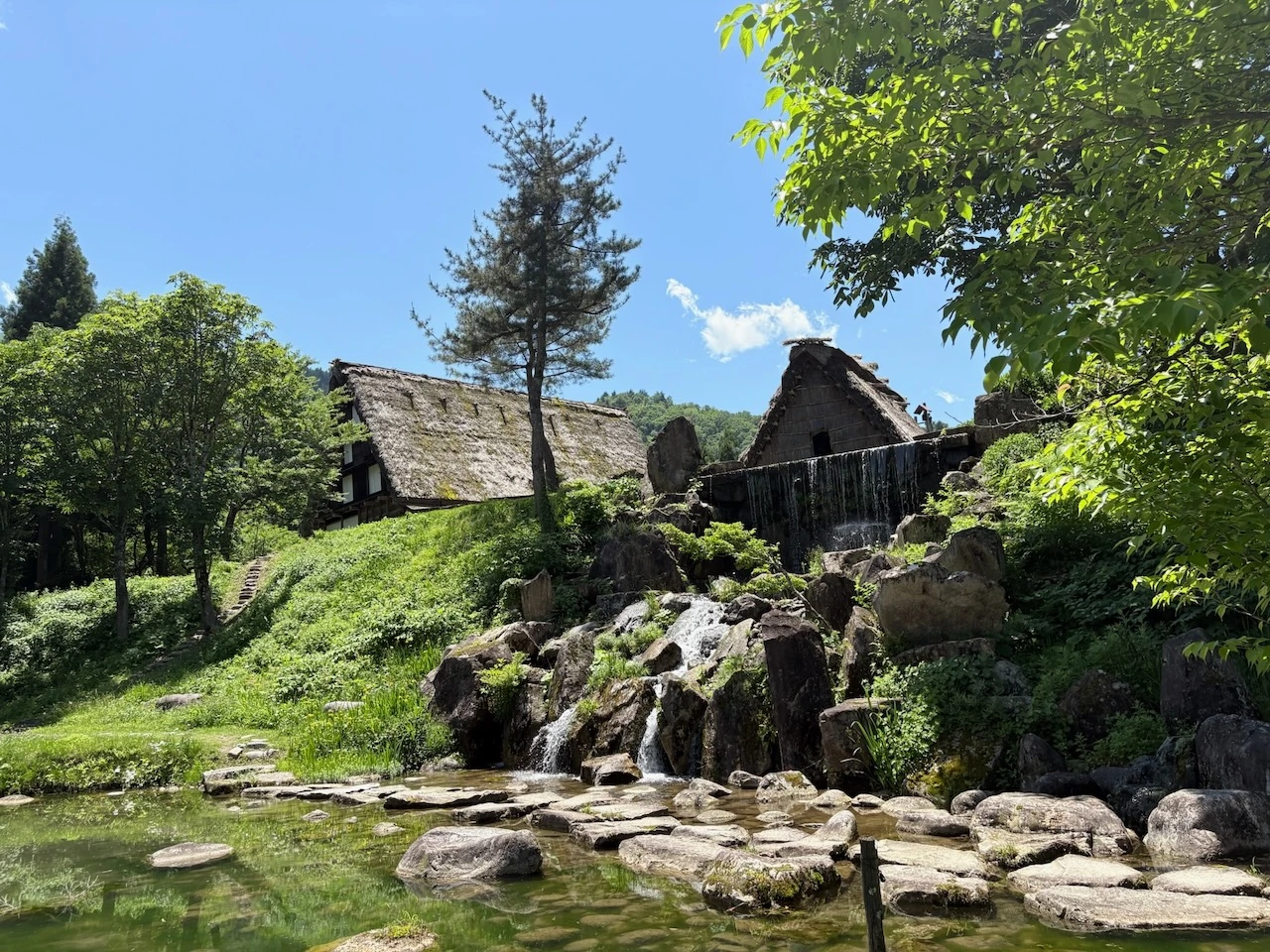
On the other side, you will find a parking lot and the entrance to the Shirakawa-go World Heritage Site Gassho Style Preservation Trust (世界遺産白川郷合掌造り保存財団). For a modest fee, you can walk around this open-air museum and visit approximately 20 traditional houses, viewing them both inside and out. Every single one of them has been “rescued” from somewhere nearby and placed here in a more or less natural setting. Because they are not occupied, you can enter many of them (shoes off!), and on the upper floors, there are exhibits of the silk farming that was typically done here.
Depending on your timing and interests, on your way out, you might visit Soba dojo Restaurant (そば道場) 🗾) near the entrance and have some nice, cold soba for lunch (which was very welcome in the summer heat). There are several other restaurants in the village proper, so you are by no means stuck with this choice, but you’ll have to go back across the bridge first.
After visiting the museum, we walked back across the bridge and, again, stuck to the right, returning towards the bus station. This affords a view of a bunch more houses, shops (including an ice cream shop), and another museum, Nagase House (fee required). We were back at the bus station in time to catch our 1:50 PM bus back to Kanazawa, arriving at Kanazawa Station around 3 PM. We were back at the hotel shortly after, following another short bus ride. We found the laundry machines free and ran two loads of laundry before dinner!
We kept dinner simple by walking just a few blocks from our hotel to Kubota (くぼ田) 🗾. This is a kappo-style restaurant with an izakaya feel. Their focus is on seafood in various preparations, but there are a few other options. Kappo-style means that there is an open kitchen behind the bar where you can see chefs prepare the food. We were seated in a tatami section with recessed footwells (easier for us westerners) and, consequently, could not really see the cooking action. The food was delicious, and the prices were very reasonable.