Hiroshima: Peace Memorial Park
Hiroshima Peace Memorial Park, near ground zero (where the first atomic weapon in history was dropped), is a monument against the further use of any nuclear weapon.
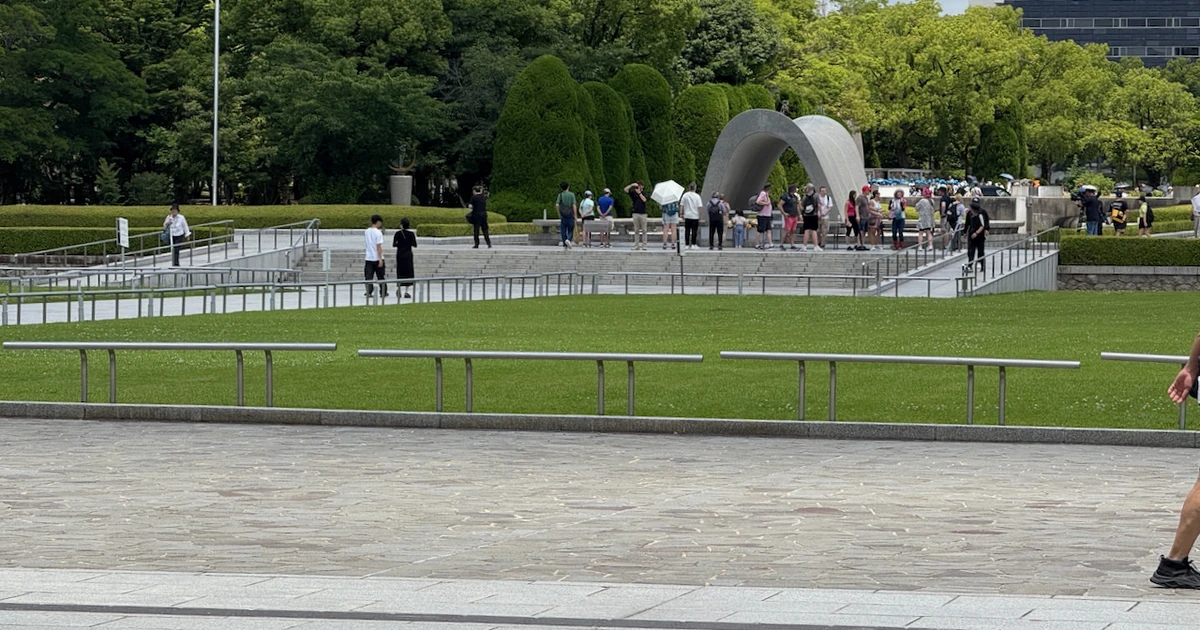
Our hotel is just a few hundred yards away from the Hiroshima Peace Memorial Park. It is dedicated to the legacy of Hiroshima as the first city in the world to suffer a nuclear attack at the end of World War II (6 August 1945), and to the memories of the bomb’s direct and indirect victims.
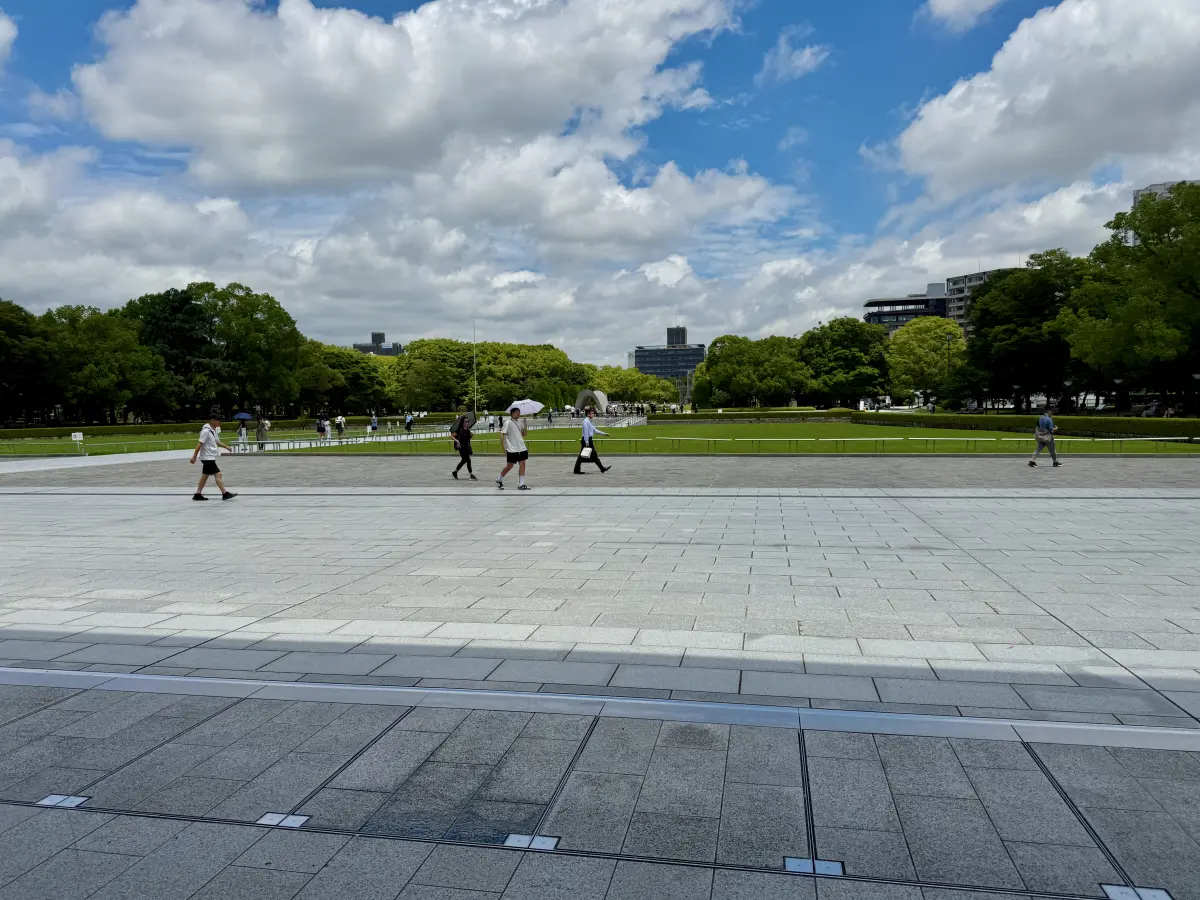
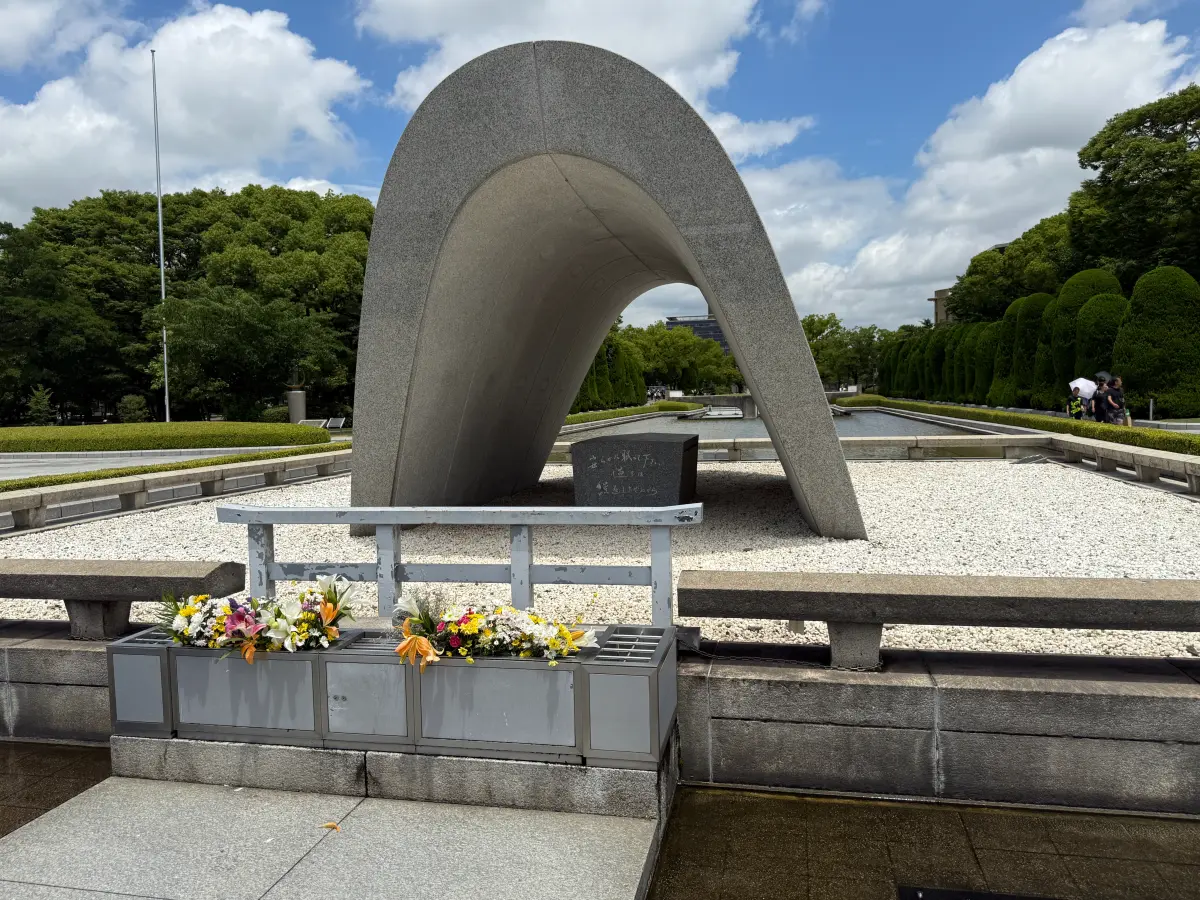
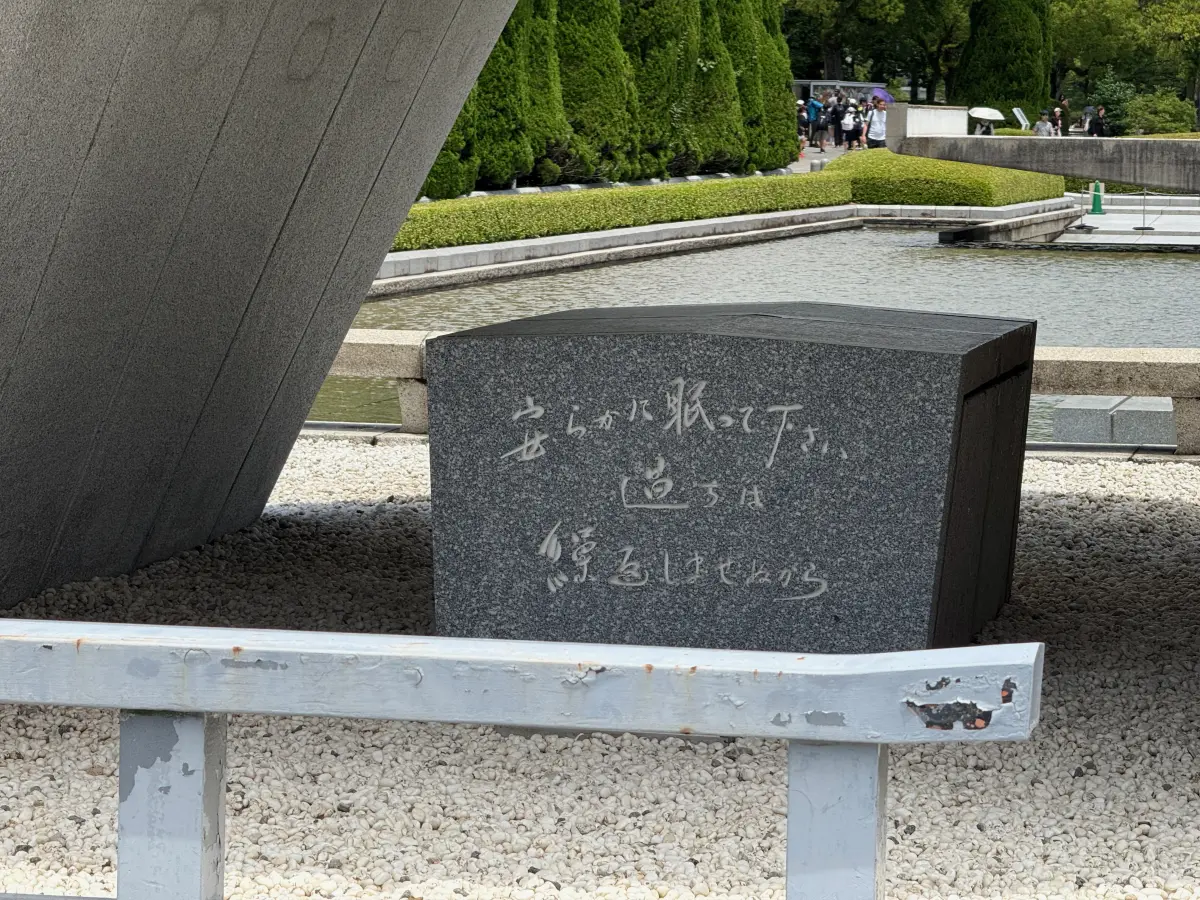
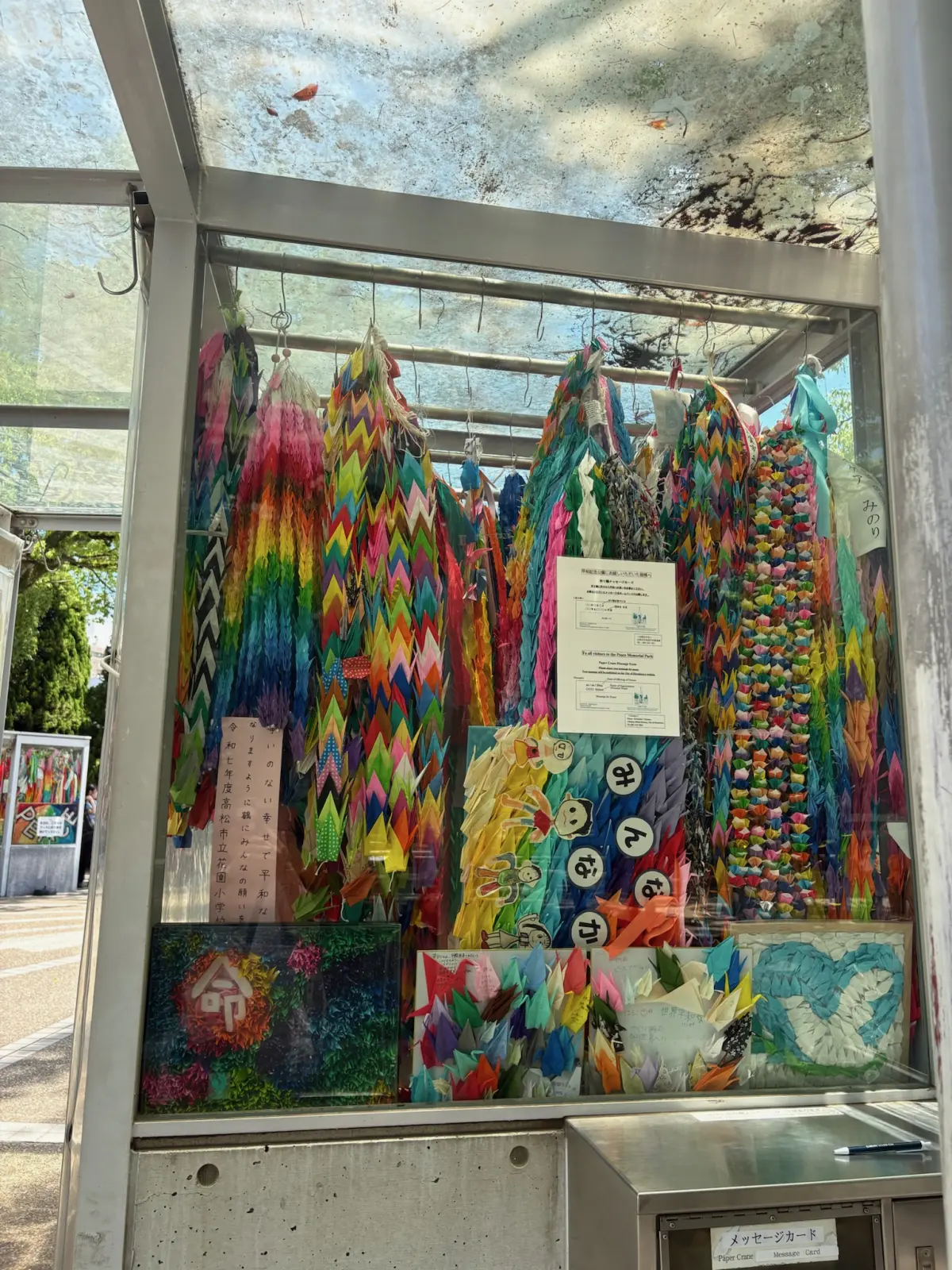
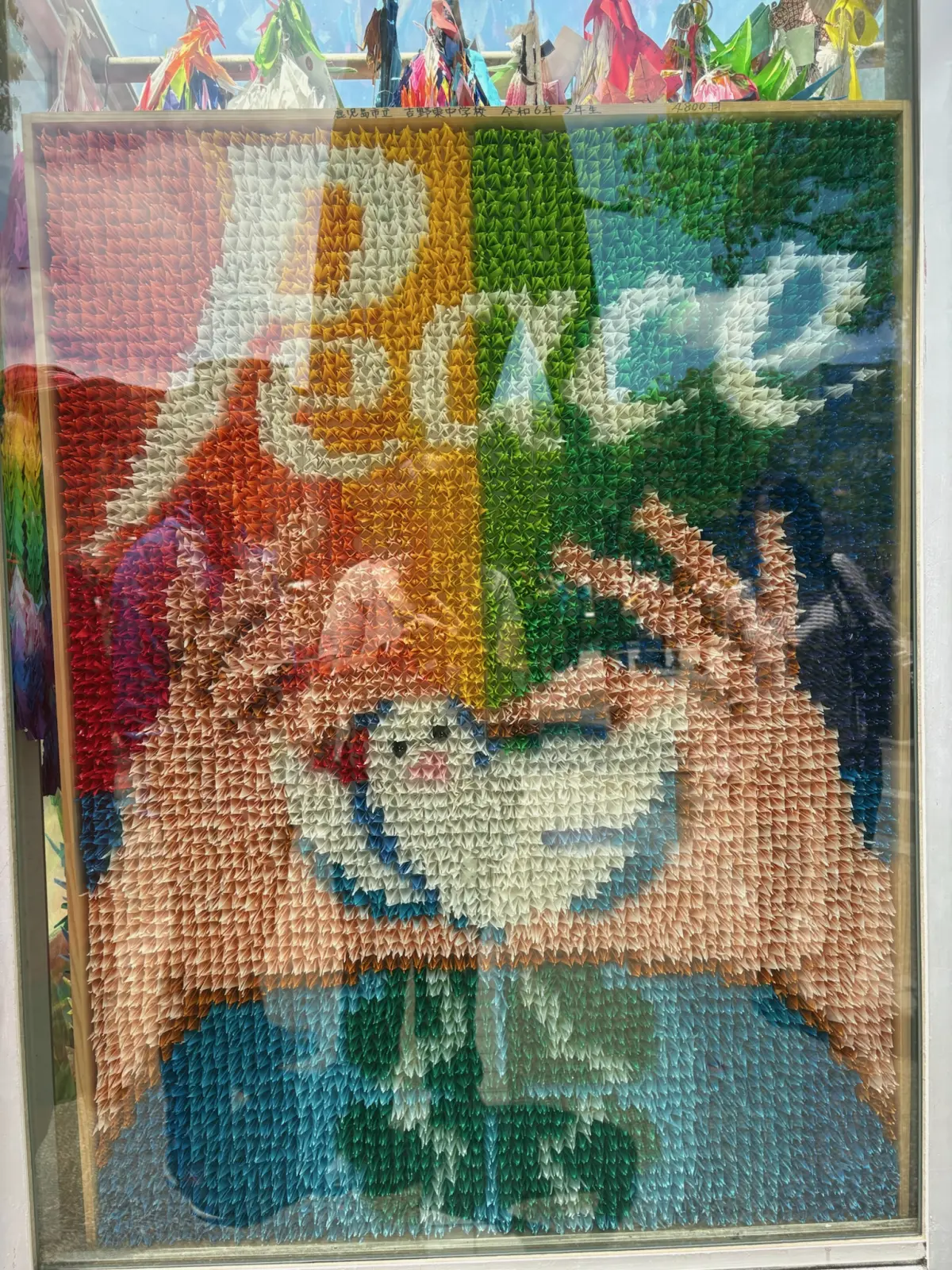
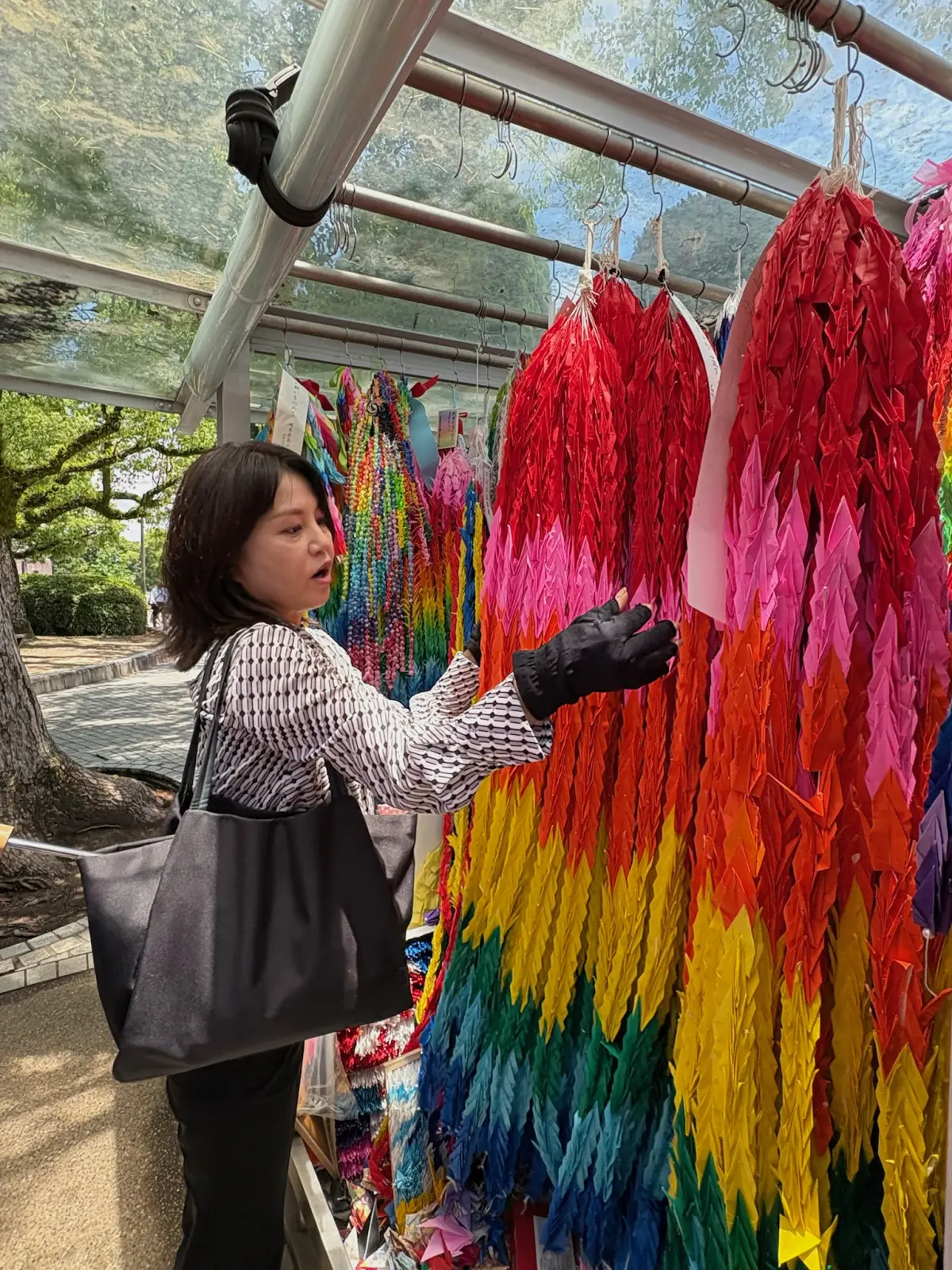
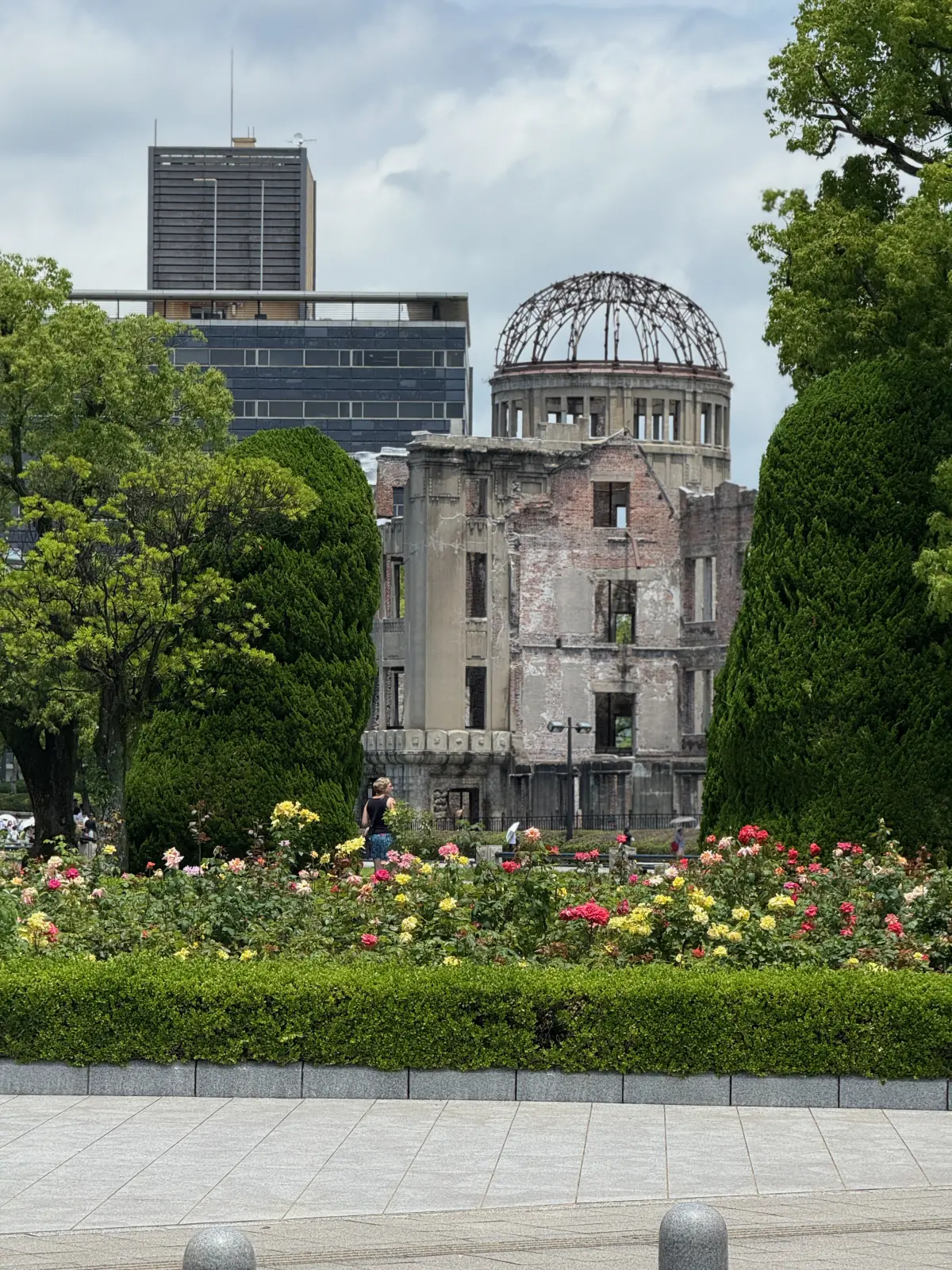
The location of Hiroshima Peace Memorial Park was once the city’s busiest downtown commercial and residential district. The park was built on an open field that was created by the explosion. There are a number of monuments and museums.
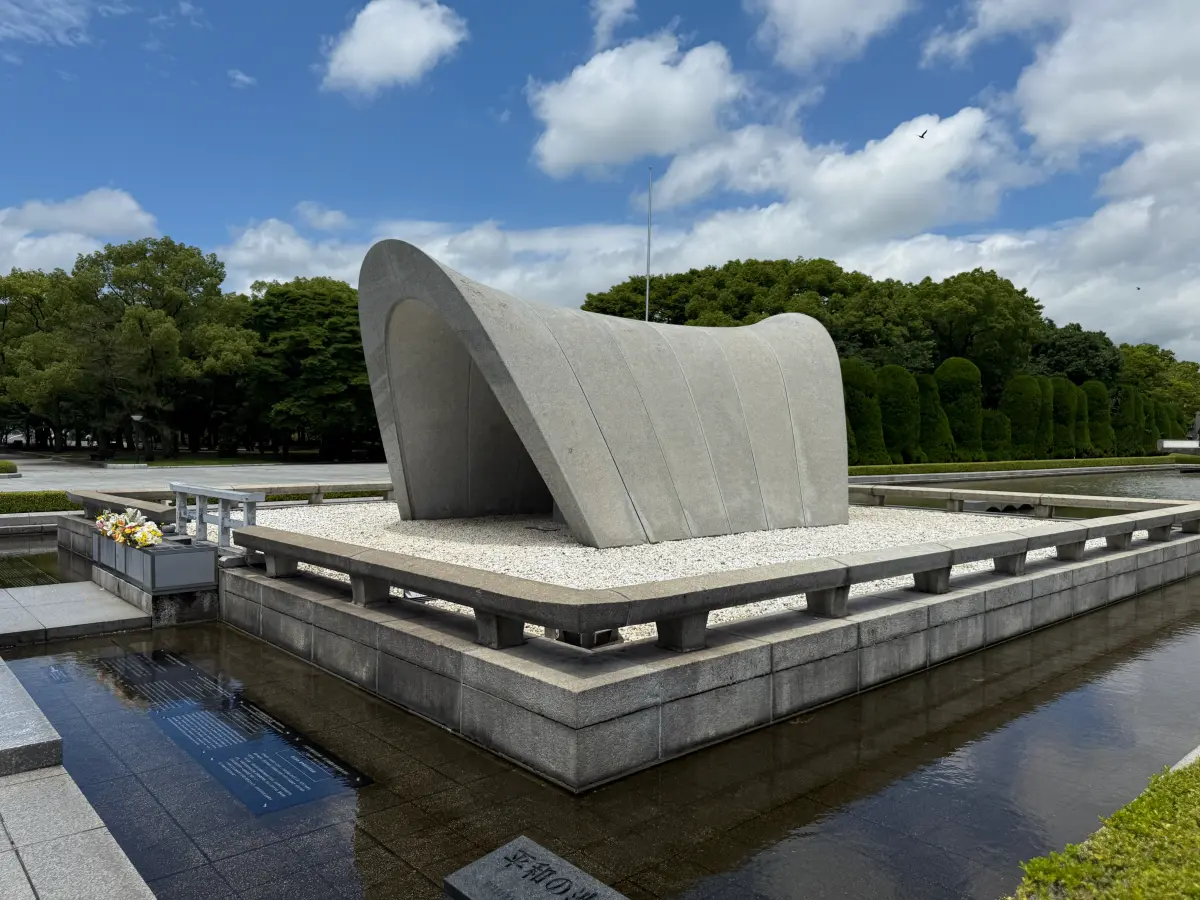
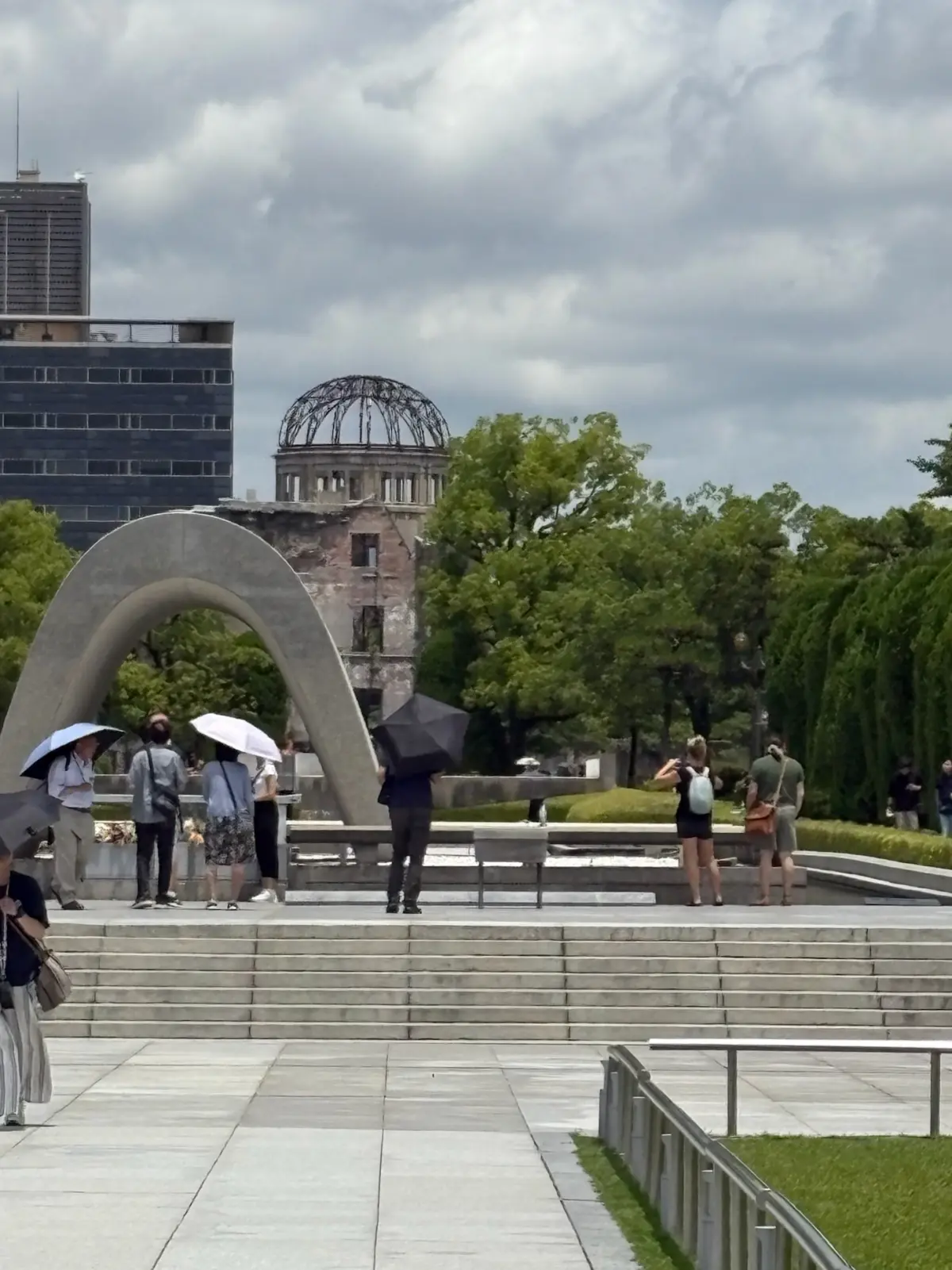
One of the first monuments we encountered was the Memorial Cenotaph. It is a saddle-shaped monument that holds the names of all of the people killed by the bomb (estimated to be 140,000). The stone underneath contains an epitaph: 安らかに眠って下さい 過ちは 繰返しませぬから. It says: “Please rest in peace, for [we/they] shall not repeat the error.” It is the ambiguity in the Japanese language that allows for both interpretations, and was meant to avoid politicizing the issue.
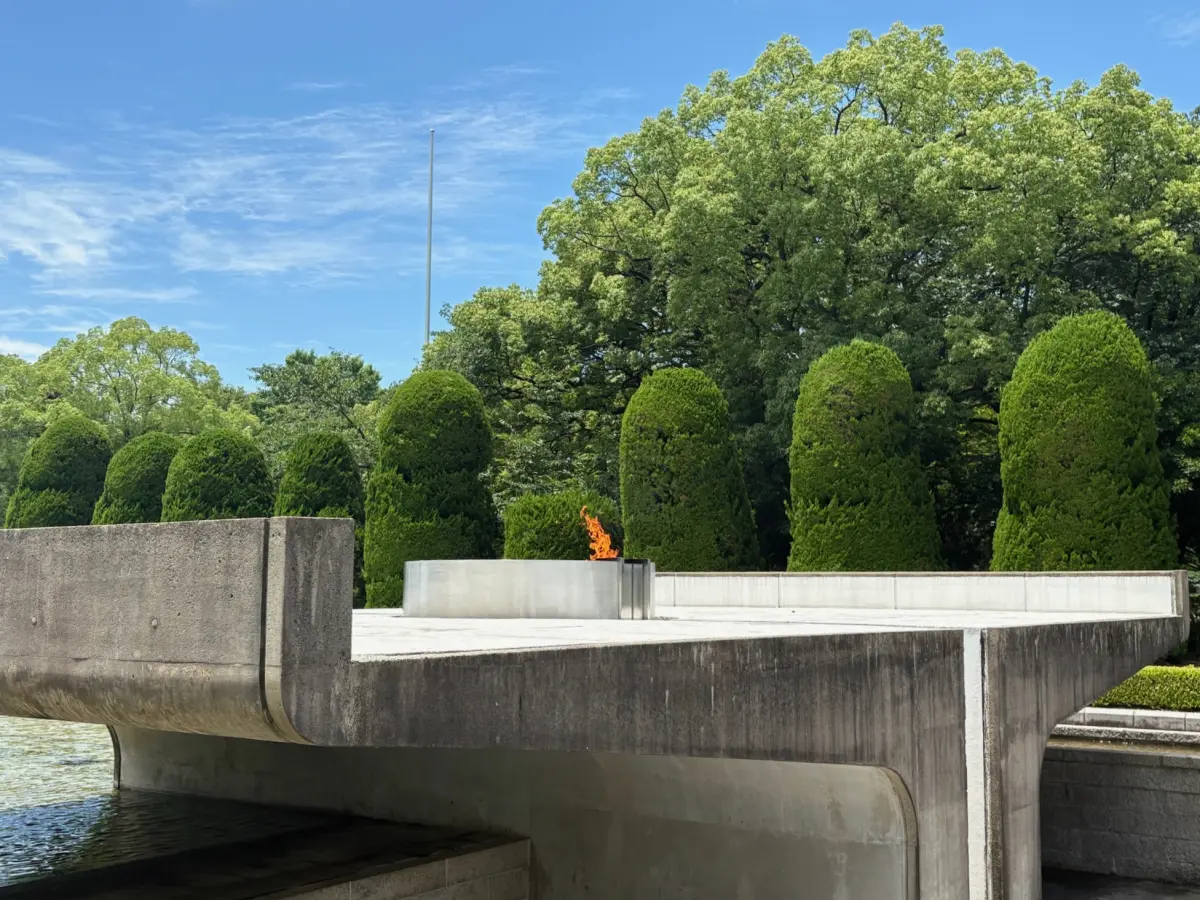
The Peace Flame, which has burned continuously since it was lit in 1964, is another monument to the victims, but it has an additional symbolic purpose. It will remain lit until all nuclear bombs on the planet are destroyed and the planet is free from the threat of nuclear annihilation.
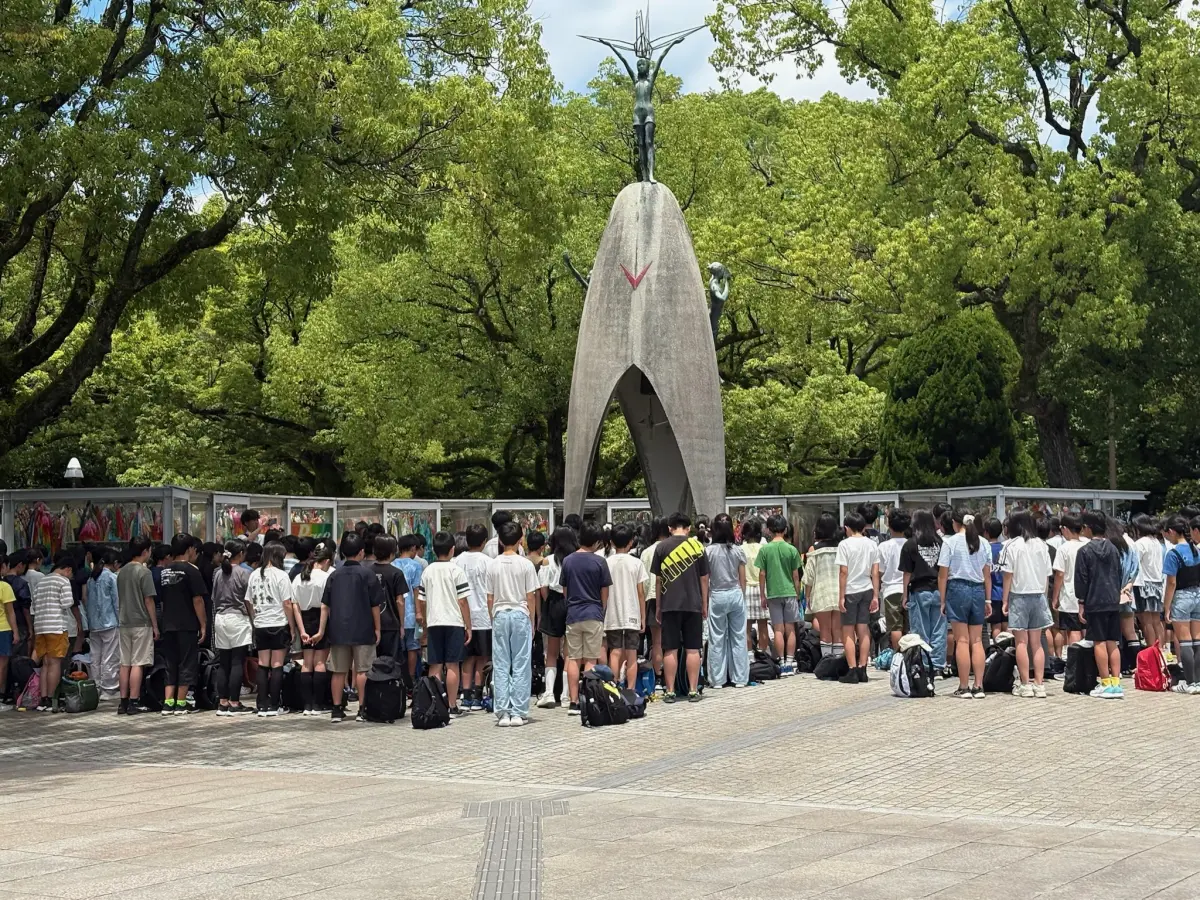
Japan’s dedication to remembering and never forgetting is most notably exemplified at the Children’s Peace Monument. It is a statue dedicated to the memory of the children who died as a result of the bombing. The statue is of a girl with outstretched arms with a folded paper crane rising above her. The statue is based on the true story of Sadako Sasaki (佐々木禎子), a young girl who died from radiation from the bomb. She is known for folding over 1,000 paper cranes in response to a Japanese legend. To this day, people (mostly children) from around the world fold cranes and send them to Hiroshima, where they are placed near the statue. The statue has a nearby collection of folded cranes that is continuously replenished. While we were there, several classes of schoolchildren were attending, adding cranes and singing songs. We learned that even after so many years, Japan makes it a point to educate its children about this.
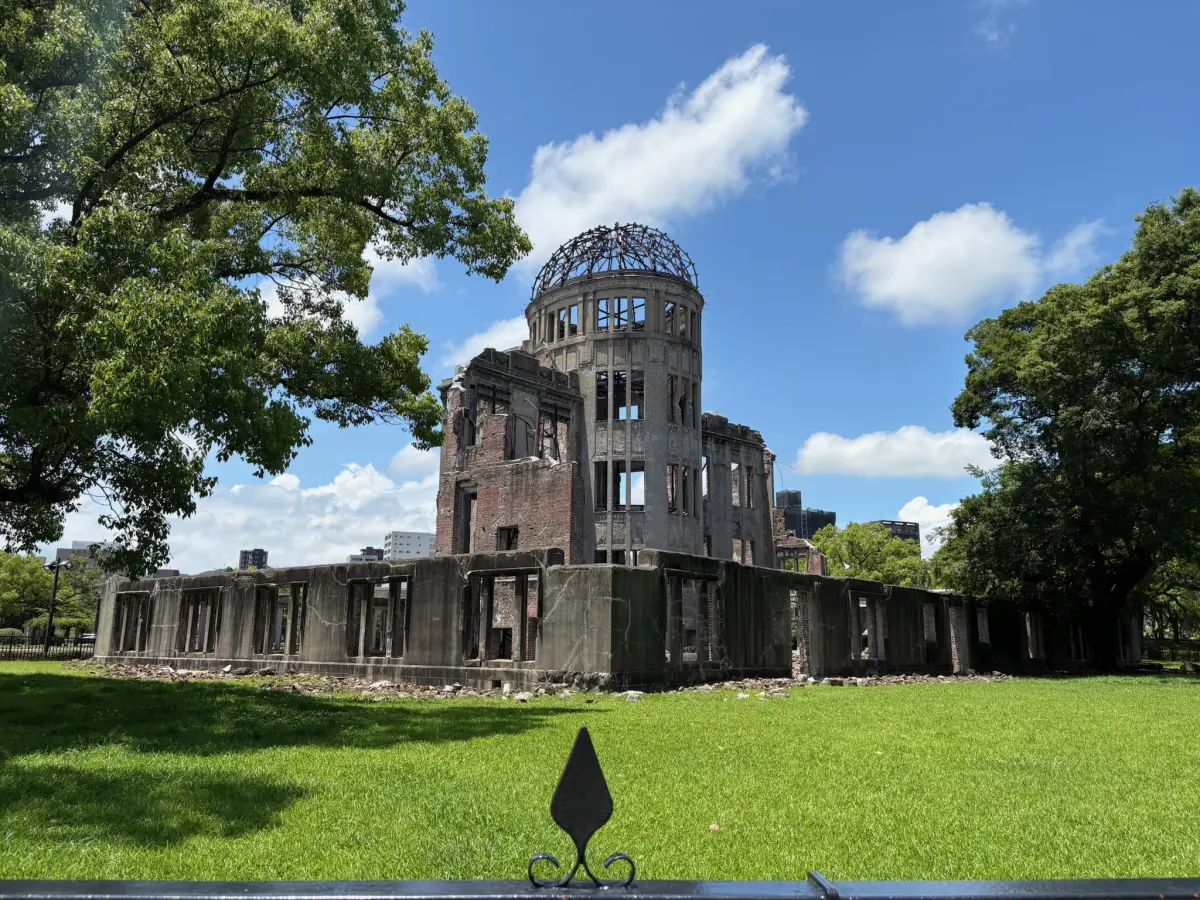
As one progresses further into the park, you get closer to the A-Bomb Dome. Now commonly called Genbaku Dome, this was the building closest to the bomb’s hypocenter (ground zero). Intended for the Aioi Bridge, the bomb missed its target by 240 m (790 ft) and exploded directly over Shima Hospital, which was very near the Genbaku Dome. The center of the blast occurred 150 m (490 ft) horizontally and 600 m (2,000 ft) vertically from the Dome.
We walked past the nearby hypocenter marker to catch a tram, which would then take us to a train, and from there to the ferry to Miyajima Island.