Edo-Tokyo Open Air Architectural Museum - Center Zone
Our next destination was the Edo-Tokyo Open Air Architectural Museum. The animator Hayao Miyazaki often visited here during the creation of his film, Spirited Away, for inspiration.
Our next destination was the Edo-Tokyo Open Air Architectural Museum (江戸東京たてもの園) 🗾. It features large grounds, organized like a park. The museum relocates and reconstructs buildings that originally stood in Tokyo (formerly Edo) from the Edo period through the mid-Showa era, which could no longer be preserved at their original locations, and presents them as part of the city’s cultural heritage. The animator Hayao Miyazaki often visited here during the creation of his film, Spirited Away, for inspiration.
The park is divided into three zones. You enter through the center zone. The west zone is lined with Musashino farm homes and Yamanote houses, and the east zone is a replica of the downtown area of Edo.
Center zone
This center zone of the park is where you enter through the visitor center. It mainly consists of prestigious historic buildings.
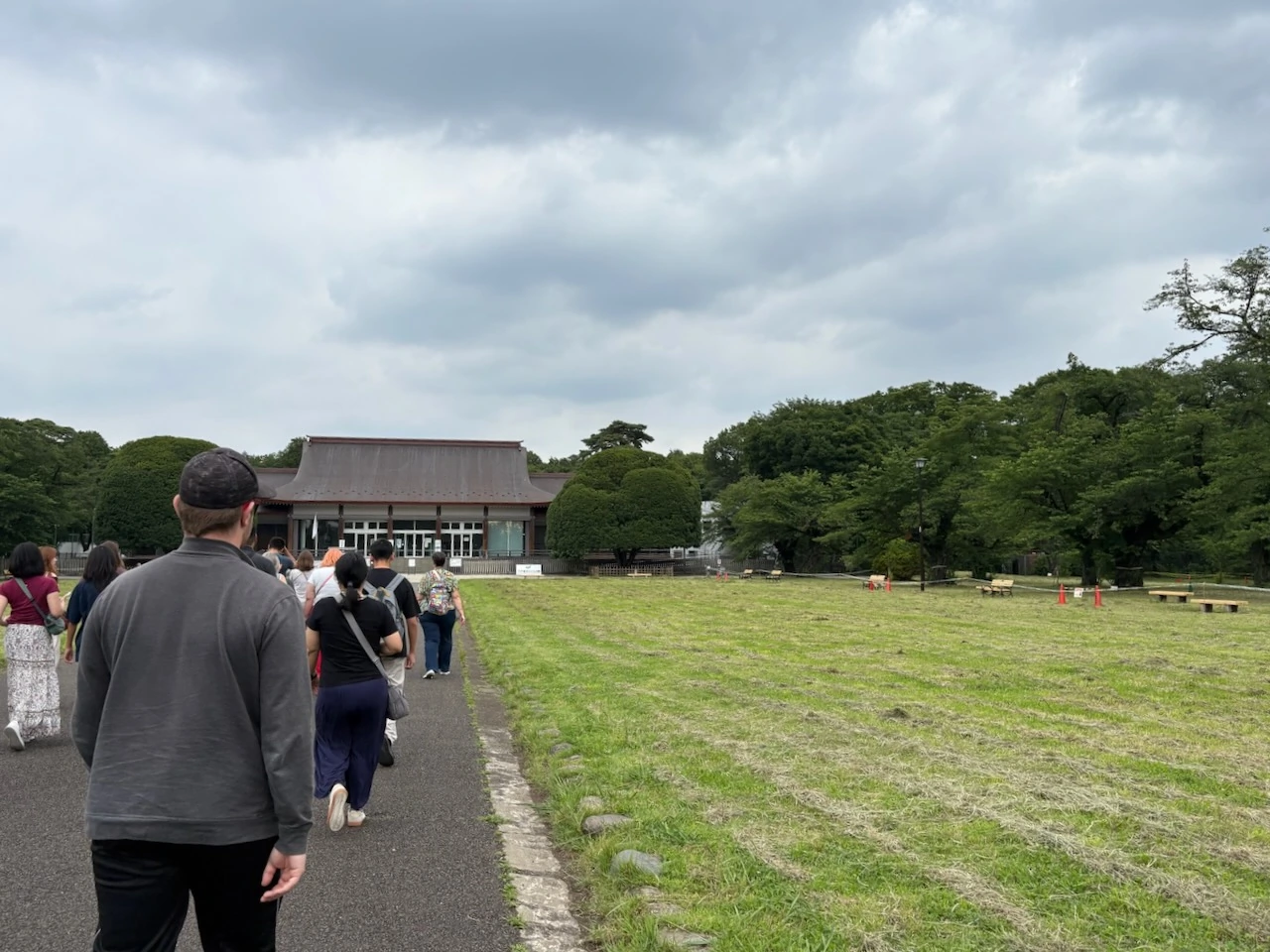
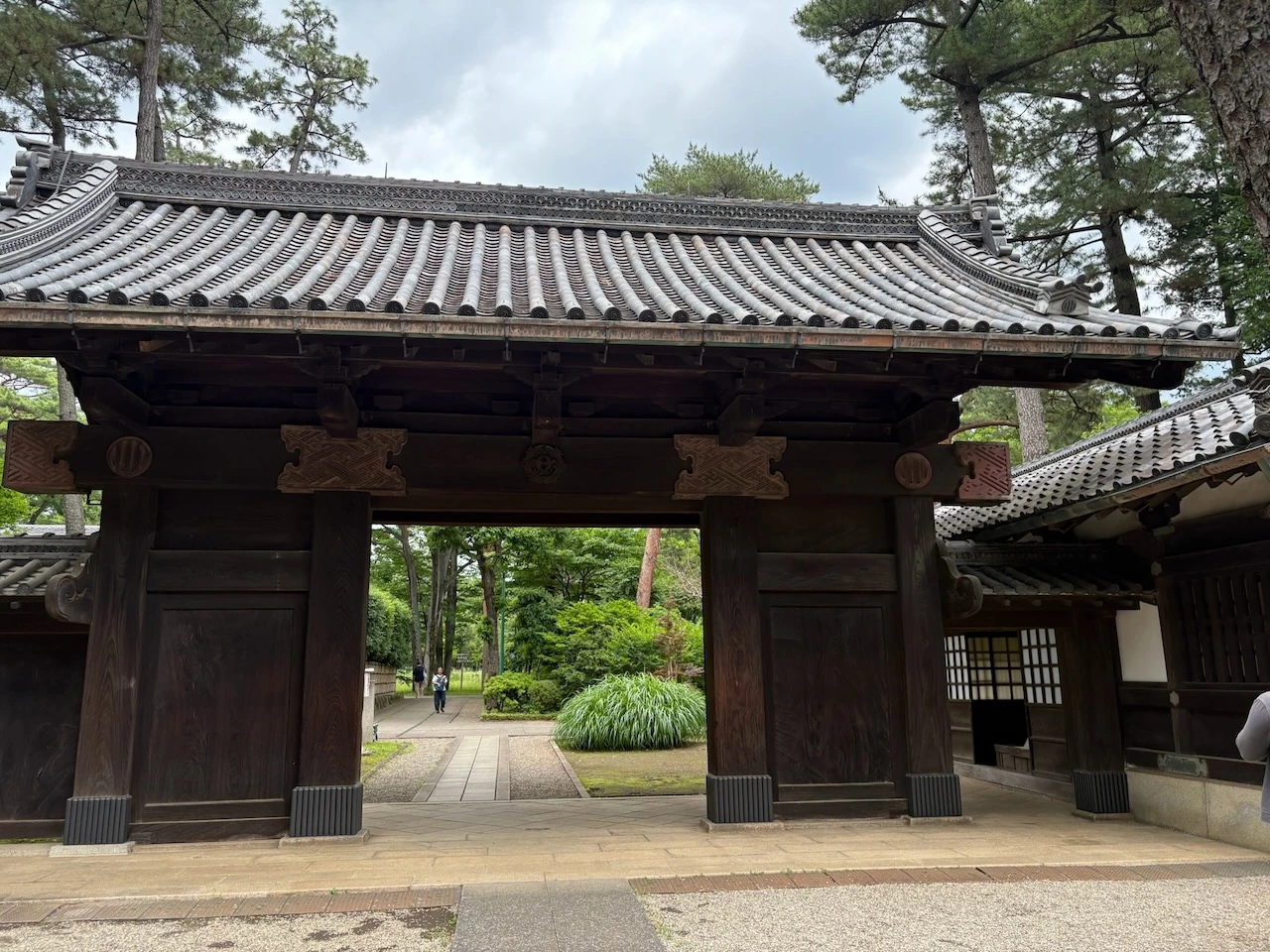
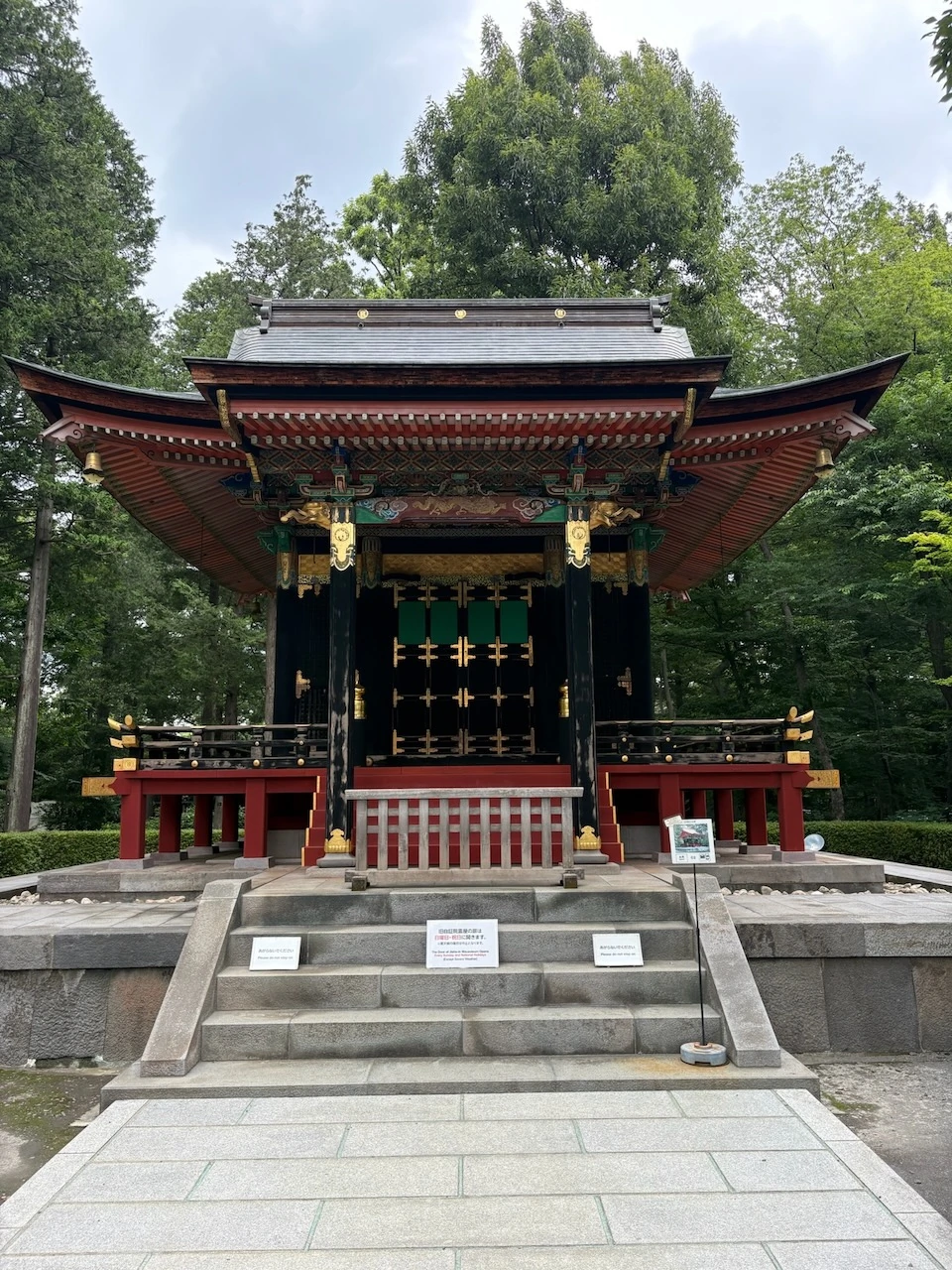
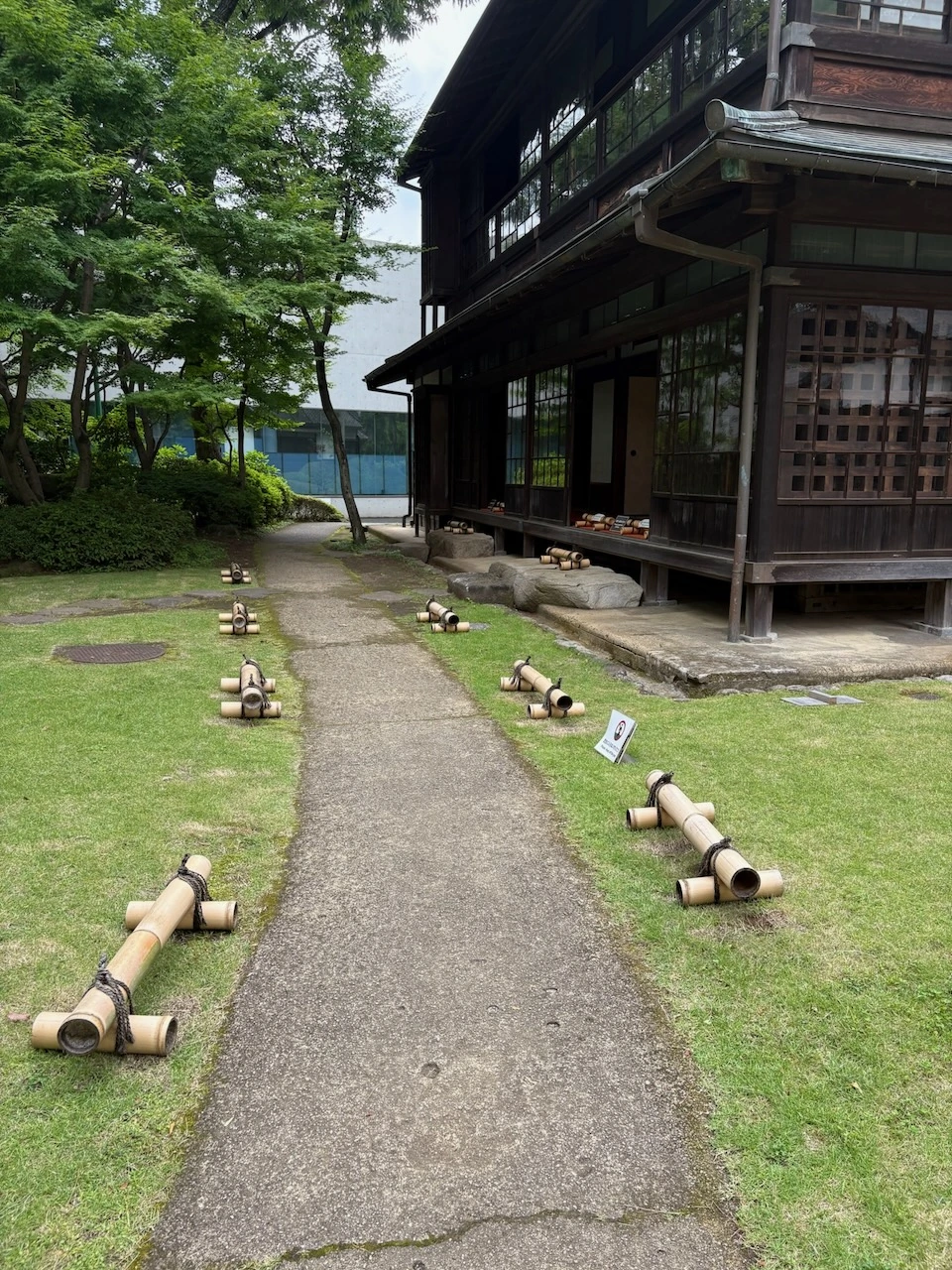
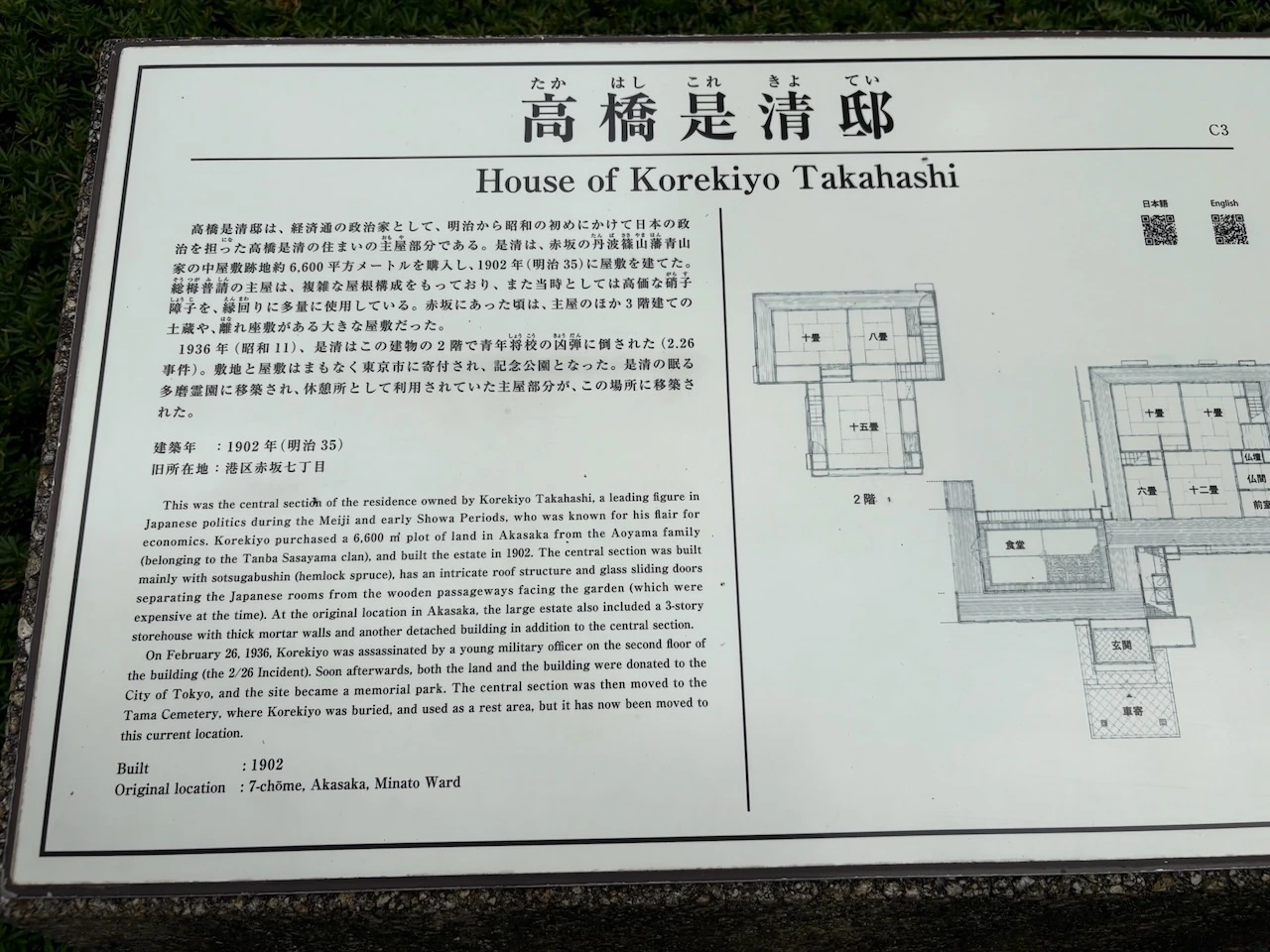
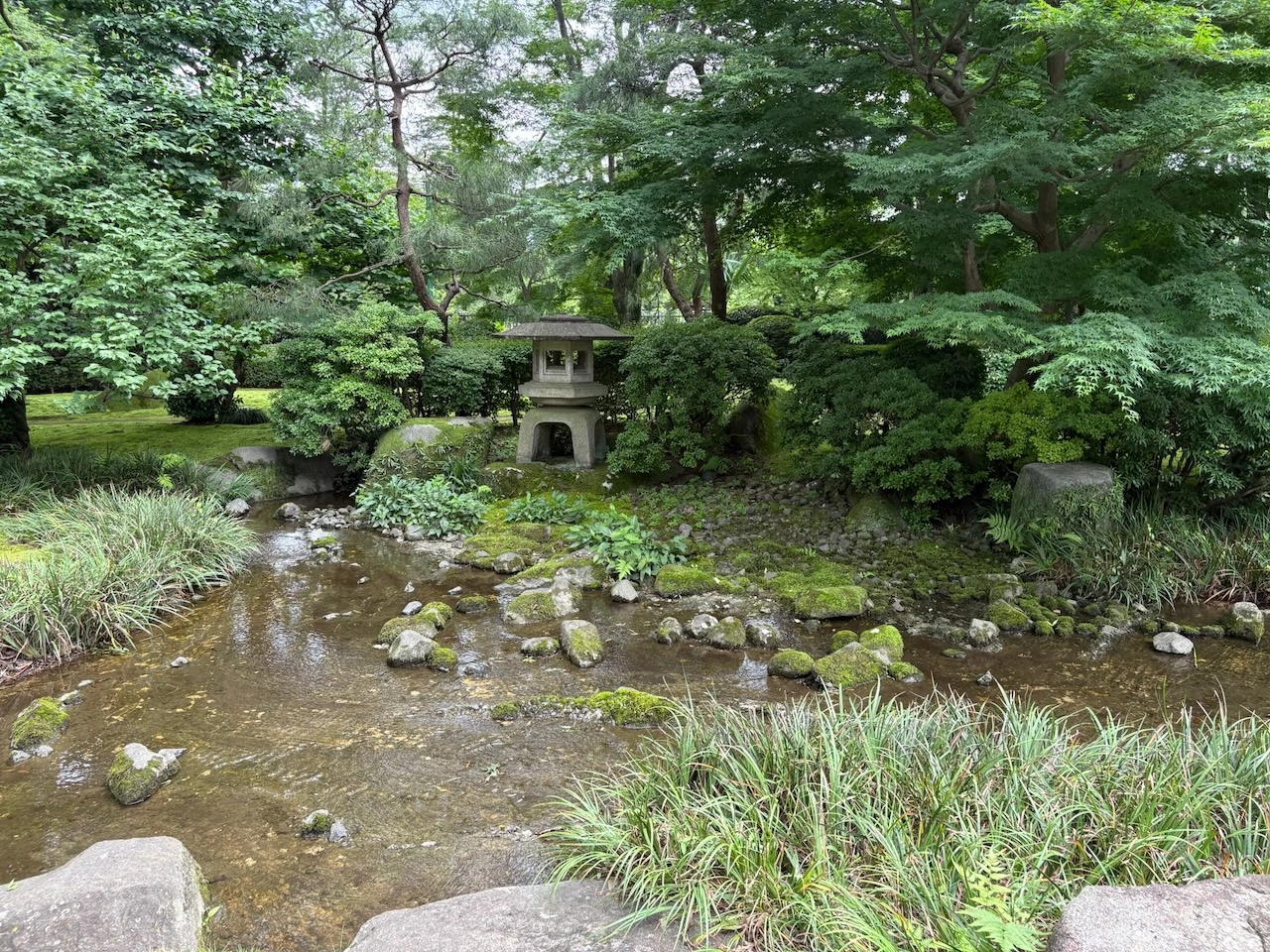
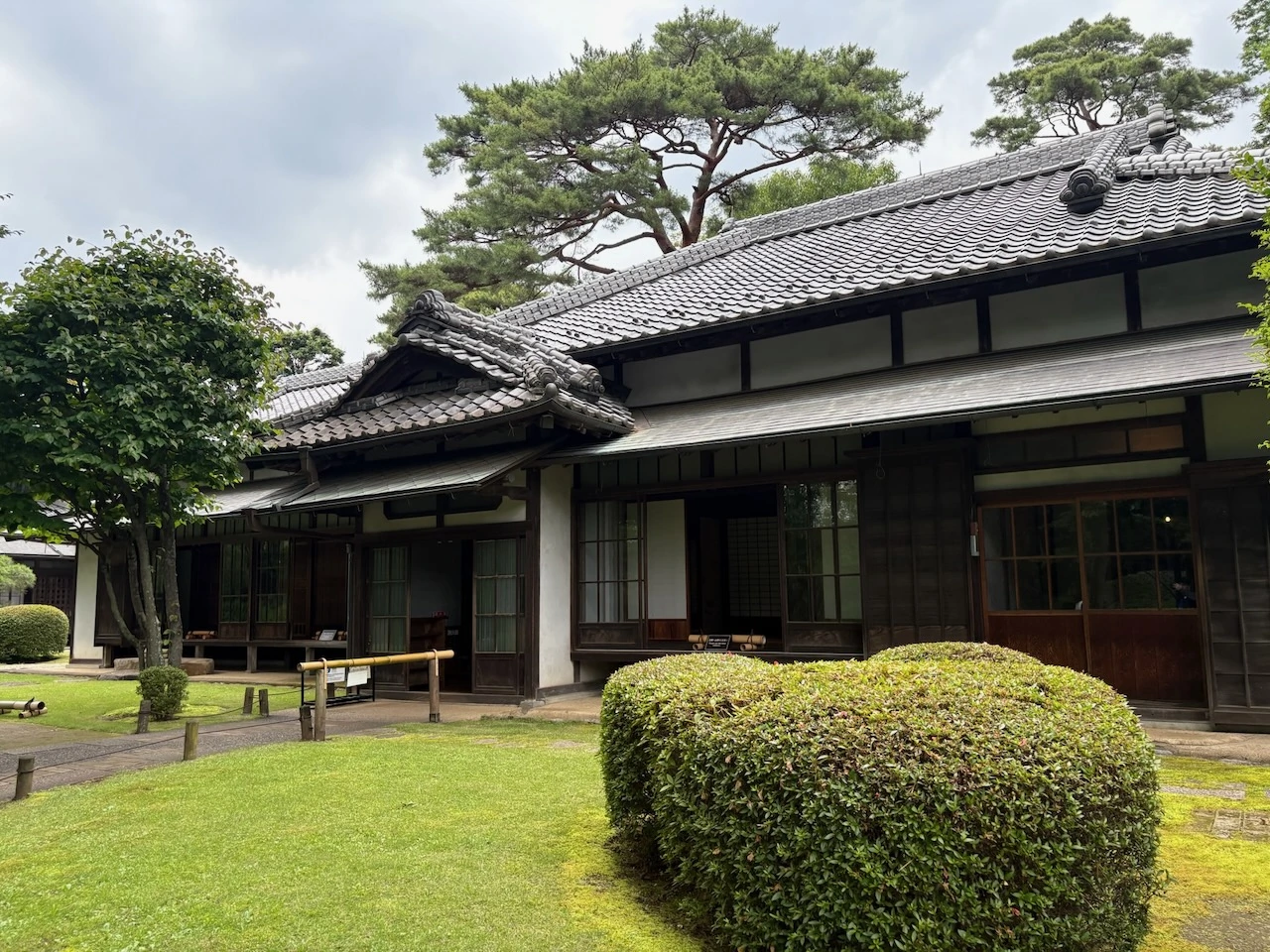
In the photographs, left-to-right, top-to-bottom:
- Former Kōkaden Hall (now Museum Visitor Center): A temporary building erected in the Imperial Palace Outer Garden as the venue of the 2600 years commemoration ceremony (紀元二千六百年記念行事) in 1940. It was relocated to this area in 1941 after the ceremony.
- Date Family Gate: The front gate of a mansion built by the Date Marquis family (formerly the Date family of the Uwajima Domain (宇和島藩)) in Shirokane Sankocho during the Taishō era. It is built in the style of a daimyo mansion with a one-sided office.
- Former Jishōin Mausoleum: A mausoleum built in 1652 in the early Edo period by Kōra Muneyoshi, a master builder of the Shogunate. Third Shogun Tokugawa Iemitsu’s (徳川 家光) concubine Jishōin (formerly Onatsu no Kata” (お夏の方); great-granddaughter of Ishida Mitsunari) was enshrined. It is a Designated Tangible Cultural Property (building) of the Tokyo Metropolitan Government.
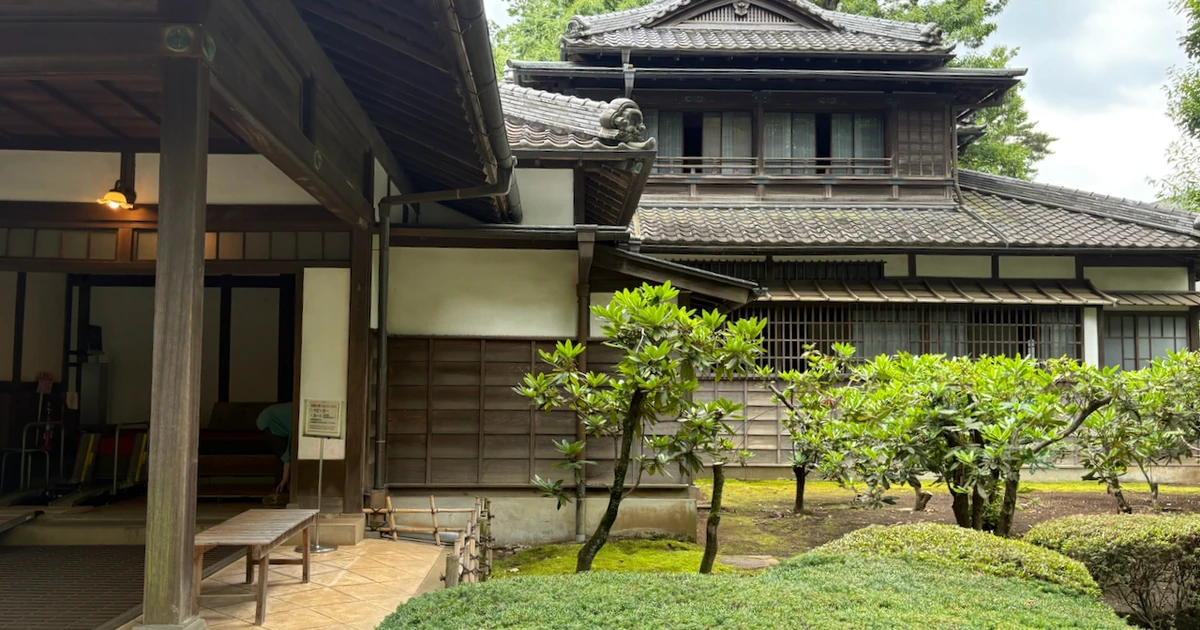
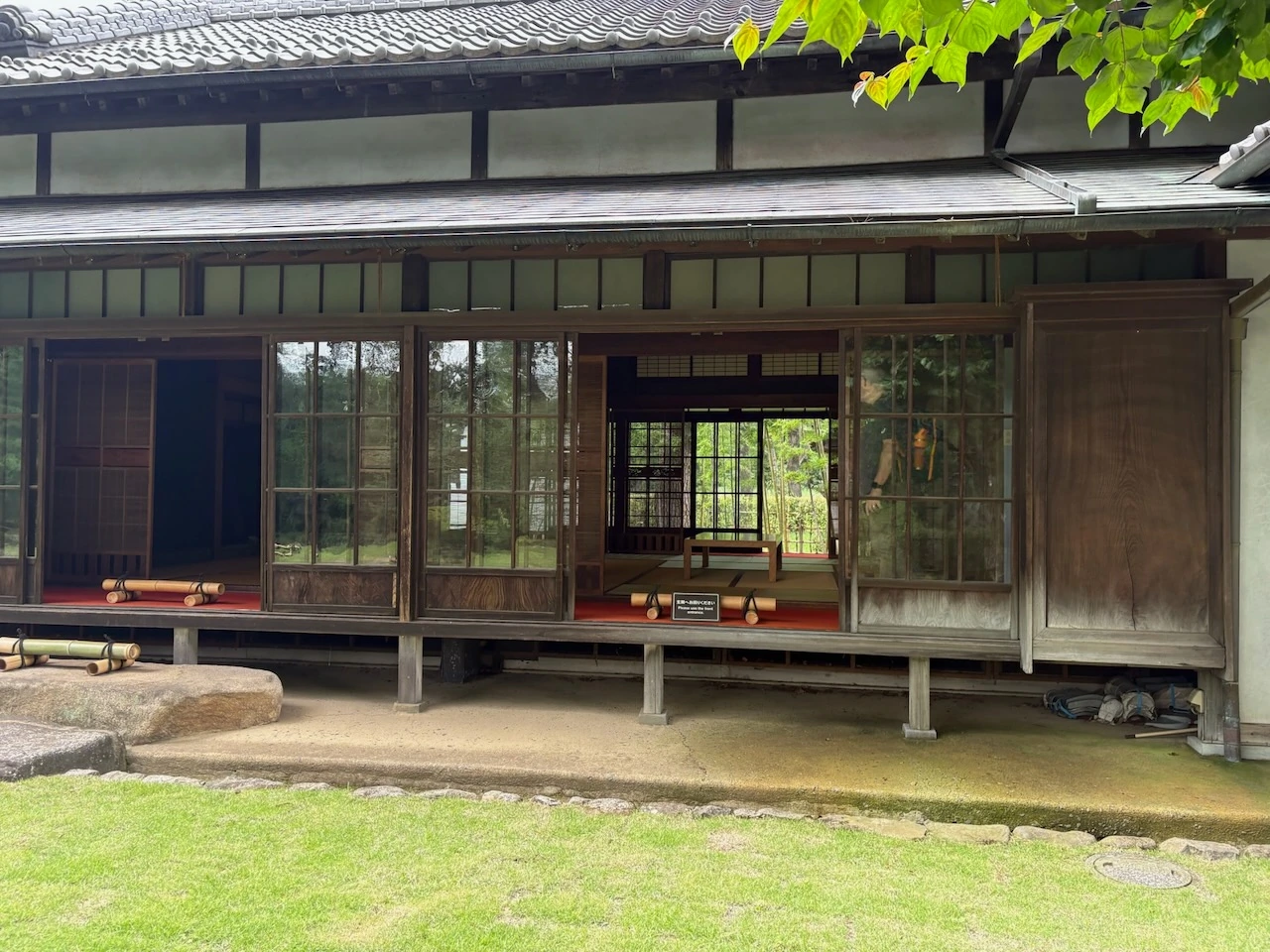
- House of Takahashi Korekiyo: The residence of Takahashi Korekiyo, a politician who was assassinated in February 26 Incident on the building’s second floor. It was completed in 1902 (Meiji 35) and made entirely of tsuga wood. This is an early example of the use of window glass in a Japanese-style mansion. (3 photographs)
- Nishikawa Annex: A house of Izaemon Nishikawa, the founder of Nishikawa Silk Reeling, used as a guesthouse and retreat. It was completed in 1922 (Taisho 11).