Transportation in Japan
Moving around in Japan is quite easy, as public transportation is widely available. For intra-city travel, or short inter-city distances, you can often use subways or buses. For longer distances, there is an excellent rail network with regular trains or the high-speed Shinkansen. Finally, there is domestic air travel. Google Maps is a great tool to help you figure out any particular journey, from door to door, in particular using public transport! Example. Apple Maps can do a similar task. Despite me having been an Apple everything person for many years, I used Google Maps during this trip.
Walking
We found that many of our destinations were within easy walking distance from either our hotel or a subway or train station. For train stations, this is often true because the network is extensive, so typically a station is available close to a destination. For restaurants, it was often true because there are so many (in large cities, for sure) that you typically find something nearby. Only on a few occasions did we use a subway to get close(r) to a destination restaurant.
Taxis
Taxis in Japan are relatively expensive, but you pay for the ride, not per person, unlike rail, metro, and subway services. If your destination is not far, it might take longer to walk to the nearest subway station, take the train, and then walk the rest of the way than to take a taxi directly. Additionally, the taxi fare may be less than the combined subway fares (when travelling in groups). To get a cab, you can hail one on the street, but you need to be able to identify available taxis or keep trying.
Alternatively, you can use Uber (the mobile application). Uber always provides a taxi in Japan and offers the advantage of directing it to your pickup location, telling the driver your destination, and making electronic payments easy. Most taxis we took, other than Uber, accept credit cards or contactless payment, but the driver usually needs to retrieve a device and enter the fare details. So Uber is more convenient. Another app you can use is called GoTaxi.
Professional Car Service
These services provide a private car and driver to transport you from A to B. Cars are usually luxury vehicles. We did use such services a few times, but never arranged for them ourselves, so you’ll have to investigate how to arrange them (and reservations may need to be made in advance). Example: Blacklane Professional car service in Tokyo
Buses
In cities where subways are not available, buses often are. They are generally less convenient than subways or trains, but still do the job. Here, too, Google Maps can help you. In some cases, you can use your IC card on buses; in others, you have to pay cash or by credit card. We encountered the latter in Kanazawa, where some buses were like that, while others (on different lines) accepted IC cards. Many larger cities, like Tokyo, have extensive subway and rail systems to reach destinations within the city, or at least its core. We hardly saw any buses there. In other places, like Kyoto, buses and subways operate.
Subway
Subways are found in major cities where geology allows tunneling. The best example is Tokyo. Sometimes there are sections of subway that are above ground as well. If the entire line is above ground, it is more like a tram or streetcar line. We found these, for example, in Hiroshima (but also trains and buses). Subways generally accept your IC card.
Trains
In some places, train lines are available, often alongside other modes of transport. JR (Japan Rail) divisions often run such lines. The cars are roomier than streetcars, and typically operate on tracks isolated from pedestrian and car traffic.
Trains come in local (stops at every station), limited express (stops at a few select stations), and express. There are also specialized trains, such as the Romance Car, between Hakone and Shinjuku in Tokyo.
Trains generally accept your IC card. Another option is a JR rail pass.
Shinkansen
Shinkansen are also trains, but they are meant for long-distance inter-city transport at high speeds. The tracks have been built specifically for that purpose, with specialized rail construction, inclined turns, and more. These trains may stop at a few select stations along a multi-hundred-mile journey. After pulling out of a station, these trains quickly accelerate (comfortably) to speeds over 100 mph. When there are no speed restrictions on a section of track, speeds of 180+ mph may be reached.
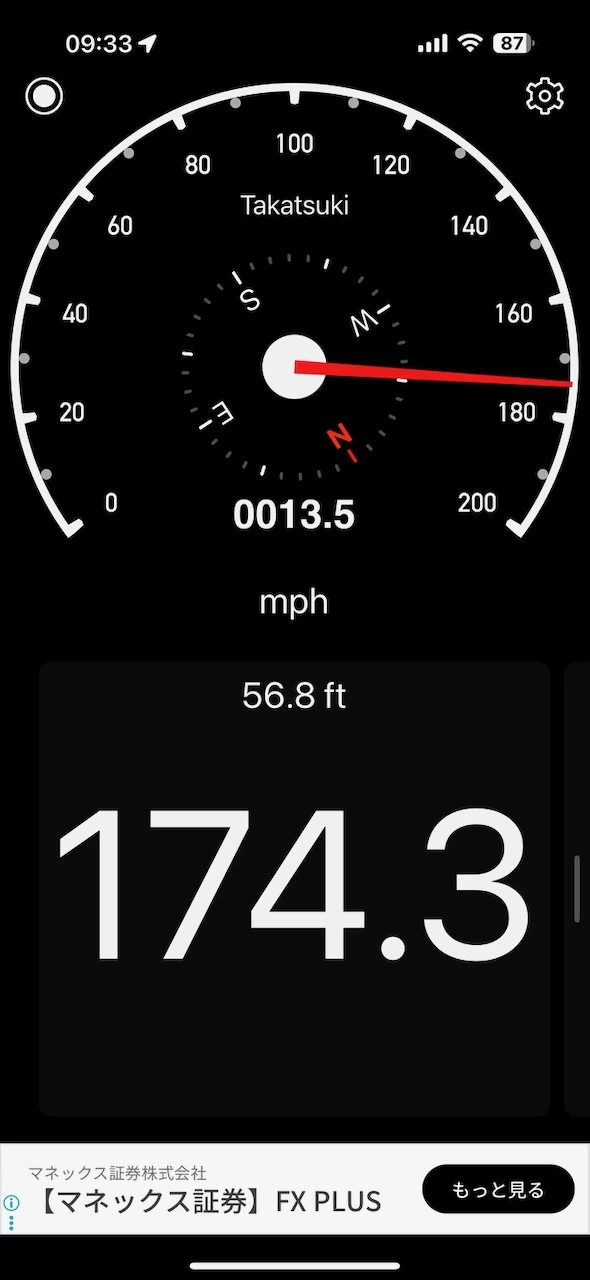
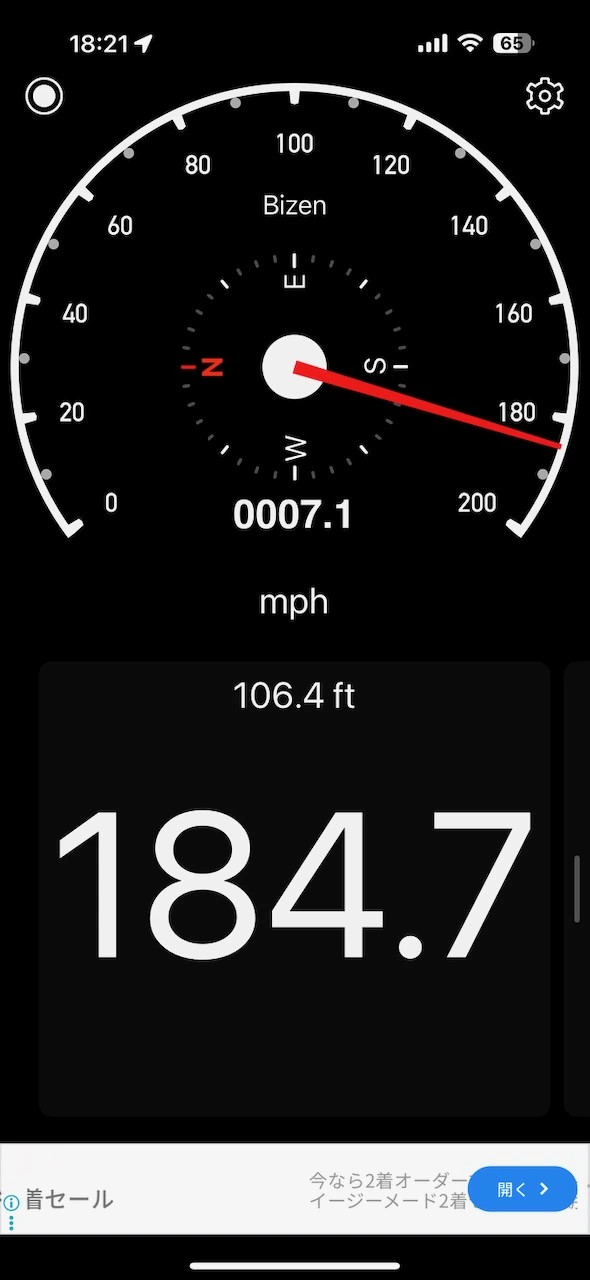
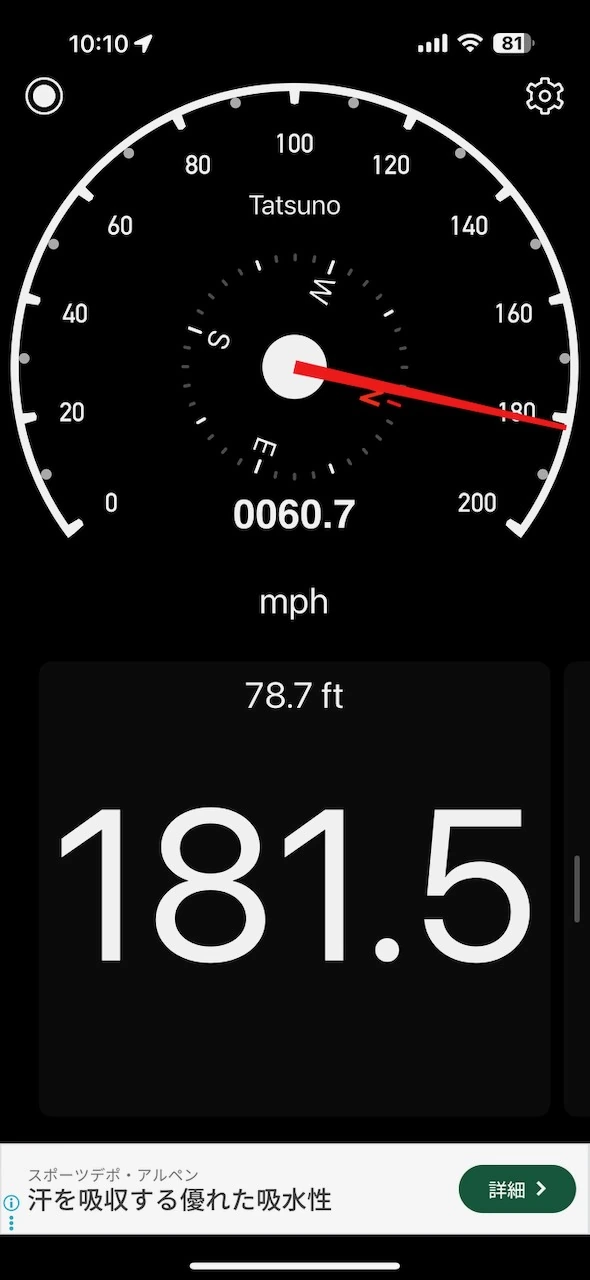
Even the cars themselves have been engineered with special hydraulics to “lean into turns,” dampen the ride experience, be quiet, etc. Usually, seats are more like airline seats, old-style business class style; they recline partially, are wider than your typical economy seat, have ample leg room, overhead luggage storage, a tray table, a charging port, etc.
Most travel on the Shinkansen requires a special ticket, but there are some passes you can use (often not worth the money unless you use them frequently over an extended period). Reservations are required for most cars, so if you want a guaranteed seat…
The overhead compartments are like those on an airplane. Meaning a typical roll-on and backpack will easily fit. Large suitcases (not advised for a trip to Japan!) will not fit. For those, some cars have oversized luggage compartments. We never used them, but I believe you may need to reserve them.
Ferries and ships
Japan is an Island nation, so in some cases you may have to take a ferry or a passenger ship (for longer distances).
Transport in some major destinations
In the list of major cities below, we do not mention taxis. They are available almost anywhere.
- Tokyo: Subways and local railways are most prevalent. Buses for some destinations, and taxis, of course. The Tokyo Subway Maps may give more insight.
- Kanazawa: No trains or subways are running through the city, buses and Machi-nori Bicycle Sharing Service provide convenient ways to explore the majority of the town. There is also the Kanazawa Loop bus (right- and left-hand loops). All buses enter through the rear door and exit at the front after paying the fare.
- Kyoto: Kyoto has a world-class public transport system: the buses, trains, and subways will get you where you want to go fast and efficiently. And because the city is relatively compact and mostly flat, it’s also great for cycling and walking.
- Osaka: Subways and trains are the best way to get around Osaka. Buses aren’t recommended for short-term visitors.
- Hakone: Odakyu High Bus, Hakone Ropeway, Hakone Sightseeing Cruise, Tokai Bus, Hakone Tozan Cable Car, Hakone Tozan Train, Hakone Tozan Bus, Odakyu Rail line.
- Hiroshima: The three most common modes of public transportation for both locals and tourists are trains, streetcars, and buses.