Sake or Nihonshu
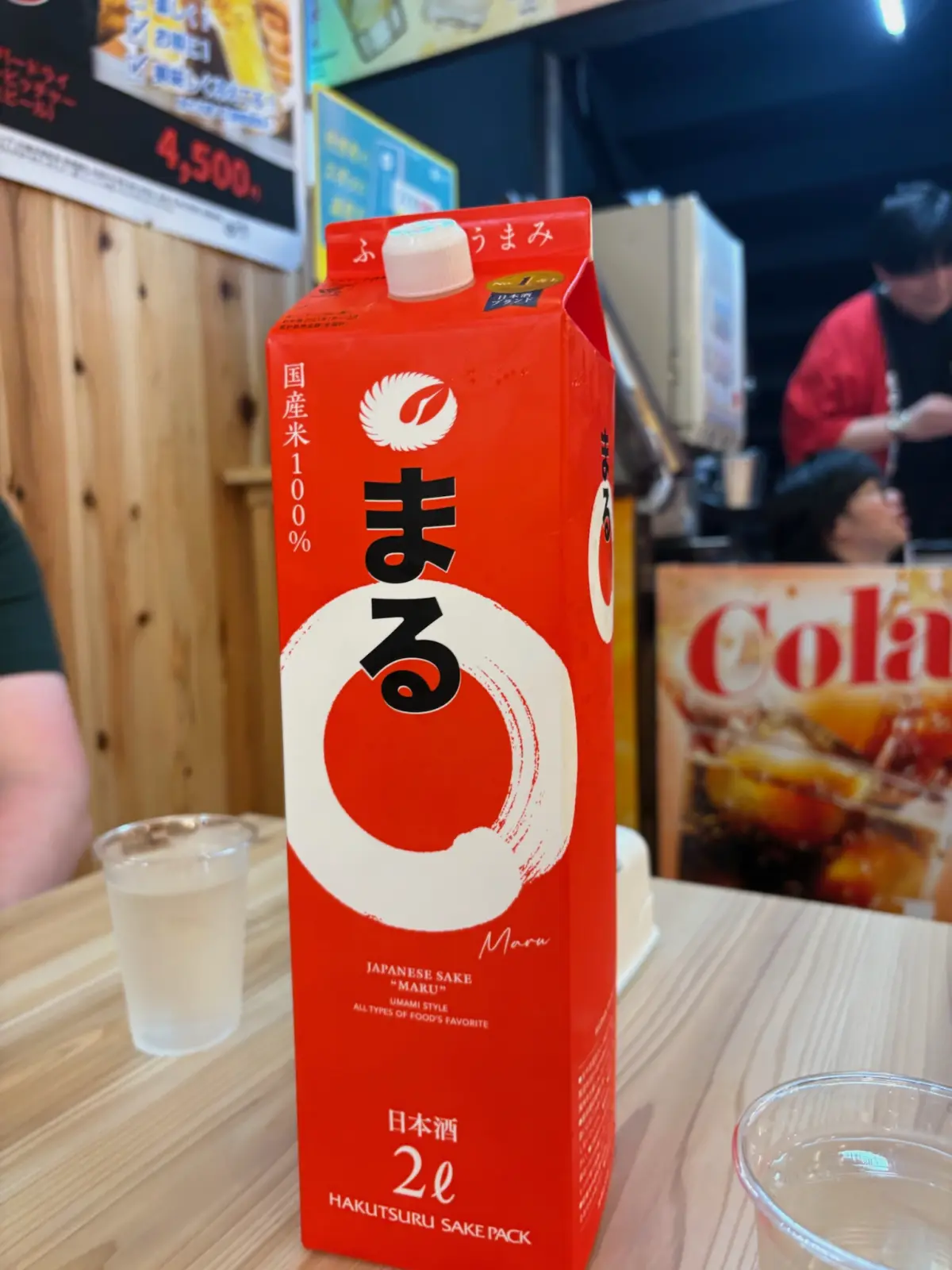
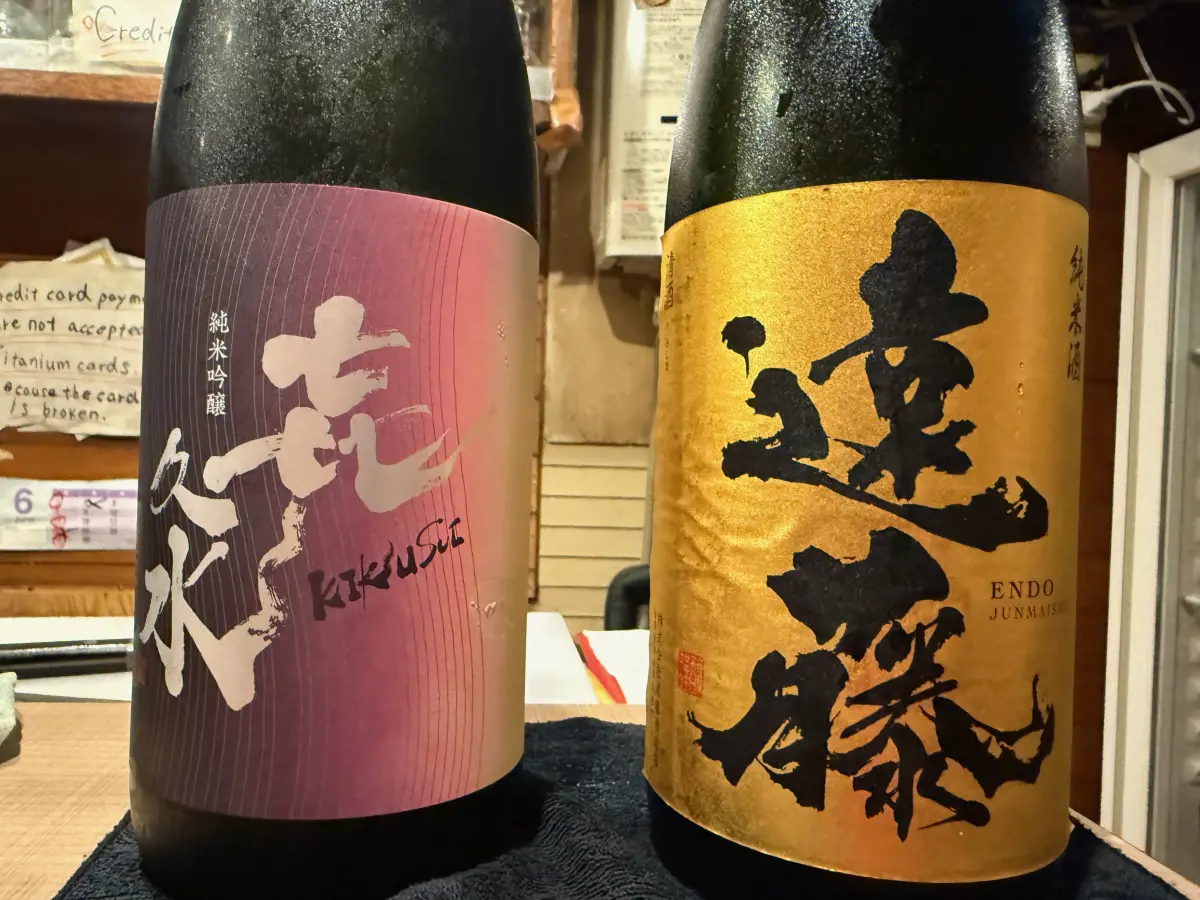
What we call sake in the US is not understood to be the same thing in Japan. In Japanese, the character sake (kanji: 酒 — IPA: /ˈsɑːki, ˈsækeɪ/) can refer to any alcoholic drink, while the beverage called sake in English is usually termed nihonshu (日本酒; meaning “Japanese alcoholic drink”). Therefore, when ordering in Japan, order “nihonshu,” because ordering “sake” may cause the follow-up question: “What kind: beer, wine, whiskey, nihonshu?”
NOTE: There is also the word “鮭 サケ”, meaning “salmon” and pronounced almost the same: sa ke. It refers to chum salmon in Japan, but is often used in US sushi shops to refer to any type of salmon served for sushi.
NOTE: Another type of alcohol you may run into is Shōchū (焼酎). This is a distilled liquor and is typically about 25% ABV. A popular drink made with it is chūhai (チューハイ or 酎ハイ), its name an abbreviation of shōchū highball. It is a mixed drink consisting of shōchū, soda water, ice, and some flavoring, often lemon, grapefruit, apple, or ume (East Asian plum)
Kyoto, particularly the Fushimi district, is a major center for sake production in Japan, renowned for its high-quality sake due to the abundance and purity of its spring water. It was here where we learned a great deal about nihonshu (日本酒) during a tasting and learning experience in Kyoto at Kyoto Insider Sake Experience. The experience includes an education on how sake is made, the meanings of various sake names, and how to pair these variations with different foods. We were given six different sakes to taste, along with some foods. Highly recommended.
Ingredients
The ingredients in sake are:
- Rice (米): Each brewer decides on the type of rice or combination of rice strains they want to use for a particular sake. Choices may include table rice, but generally involve rice specifically grown for sake production.
- Water (水): Clean, high-quality water is a vital aspect of sake brewing. The processes of washing and steaming the rice, brewing, and diluting all involve this water. Japanese people see the presence of a brewery as an indicator of excellent natural water in the area. Soft/hard water influences the flavor of the result. The presence of certain minerals may also be beneficial or detrimental to the end product.
- Koji (米麹): Kome Koji (rice malt) refers to steamed rice that is treated with koji-fungus (Aspergillus oryzae). The enzymes in this mold break down starch into sugar. Without converting starch into sugar, there can be no fermentation to produce alcohol!
- Yeast (酵母): Yeast is the microorganism that converts sugar into alcohol and carbon dioxide gas. The most commonly used yeast today is cultured yeast; however, some brewers also use wild yeast.
- Jozo-alcohol (醸造アルコール): Neutral spirits (brewer’s alcohol) added to some kinds of sake.
Brewing
The process starts with rice polishing. The rice is polished to a varying degree. Polishing removes the outer layers, which include the bran, as well as fats, minerals, and proteins, leaving the starchy core. Higher levels of polishing result in smoother-tasting sakes with less bold flavors. Highly polished rice yields a delicately flavored sake. If the mill polishes 30% of the outer layer, it leaves 70% behind. This is called the polishing rate. The more polishing, the lower the polishing rate!
Next come washing, steeping, and steaming. After washing, polished rice is left to steep in water, typically absorbing about 30% of its weight in moisture. After removing the water, the remainder is steamed for about an hour. This cooks the rice evenly (think rice cooker!) without getting too moist or sticky. Next, the rice is cooled before proceeding to the next step.
Koji is sprinkled on the rice, and its enzymes break down rice starch into sugar and proteins into amino acids. It also supplies some vitamins. During this process, temperature control is crucial: maintain a temperature of around 30°C and humidity between 50% and 80%. After this Koji step, yeast is added, and fermentation begins. A small amount of steamed rice, koji, yeast, and water is mixed to create a starter called shubo. This shubo is kept acidic—either by cultivating natural lactic acid bacteria or by adding lactic acid—to prevent the growth of unwanted microbes.
The mixture ferments for about a day. Then, in two more steps, additional portions of the same mixture are added, gradually increasing the volume of the fermenting mash. This process takes three to four weeks. In the next step, brewers may add a small amount of neutral spirits (jozo-alcohol). Leaving them out results in the Junmai category of sake. Finally, the result is filtered. The extract can be saved at three stages: abarshiri, nakadori, and seme. It is also possible to filter using a coarser mesh, which retains some of the solids and results in a cloudy negori. This version is thicker and creamier than standard sake and usually tastes sweeter.
There may also be sedimentation, secondary filtration, and adjustment (where water is added to dilute the alcohol content from 17-20% down to around 15%). Then, most sake is pasteurized to deactivate enzymes. Without this step, the sake may change in the bottle, potentially becoming sweeter and altering the aroma. If this process is skipped, the result is called namazake. Pasteurization can cause an unrefined taste, so most pasteurized sake ages for up to a year in the bottle.
Labeling
The labelling of sake is strictly controlled and typically includes:
- Product name.
- Producer’s name and address.
- Net content (amount of sake in the bottle by volume). Standard bottle sizes are 720 ml and 1,800 ml, but other sizes do exist.
- Alcohol content. The percentage of alcohol by volume is typically about 15%.
- Ingredients.
- Production date.
- Legal Statement on Drinking.
Sake designations
Daiginjo indicates a rice polishing rate of below 50% and, therefore, usually exhibits a smooth, fruity aroma. Ginjo indicates a polishing rate of less than 60%. The result is slightly less fruity and a bolder flavor.
The designation Junmai indicates that no neutral spirits have been added. As a result, we can find Daiginjo-shu / Junmai daiginjo-shu, and Ginjo-shu / Junmai ginjo-shu. Other special processes include Tokubetsu junmai-shu, Tokubetsu honjozo-shu, and Honjozo-shu (polishing ≤ 70%).