Kyoto: Sake Tasting Experience
A good friend saw on Facebook that we were in Japan, and specifically, in Kyoto. He asked if we had taken a Sake Tasting class. We had not, but he convinced us to, and so we booked a Sake Tasting class at Kyoto Insider Sake Experience.
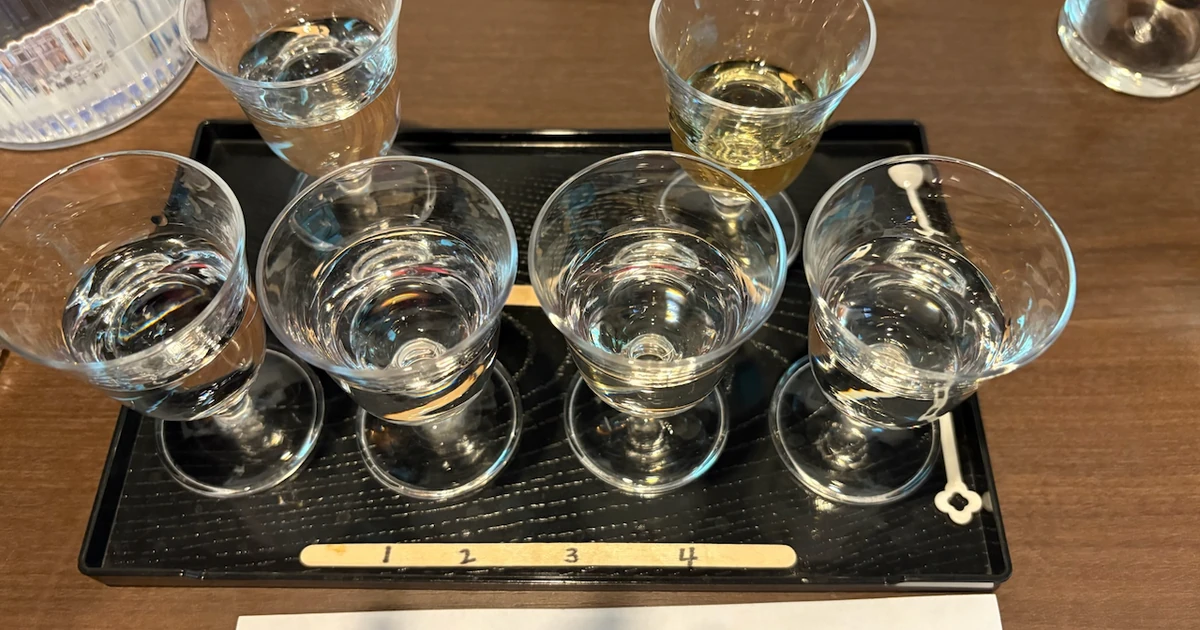
A good friend saw on Facebook that we were in Japan, and specifically, in Kyoto. He asked if we had done or planned a wine tasting. We had not, but he convinced us to, and so we booked a Sake Tasting class at Kyoto Insider Sake Experience 🗾.
We walked to nearby Shijō Station (四条駅) 🗾 and took the Karasuma Line (烏丸線) to Takeda Station (Kyoto) (竹田駅) 🗾. There the same train turns into the Kyoto Line (Kintetsu) (京都線) which we took to Momoyamagoryō-mae Station (桃山御陵前駅) 🗾.
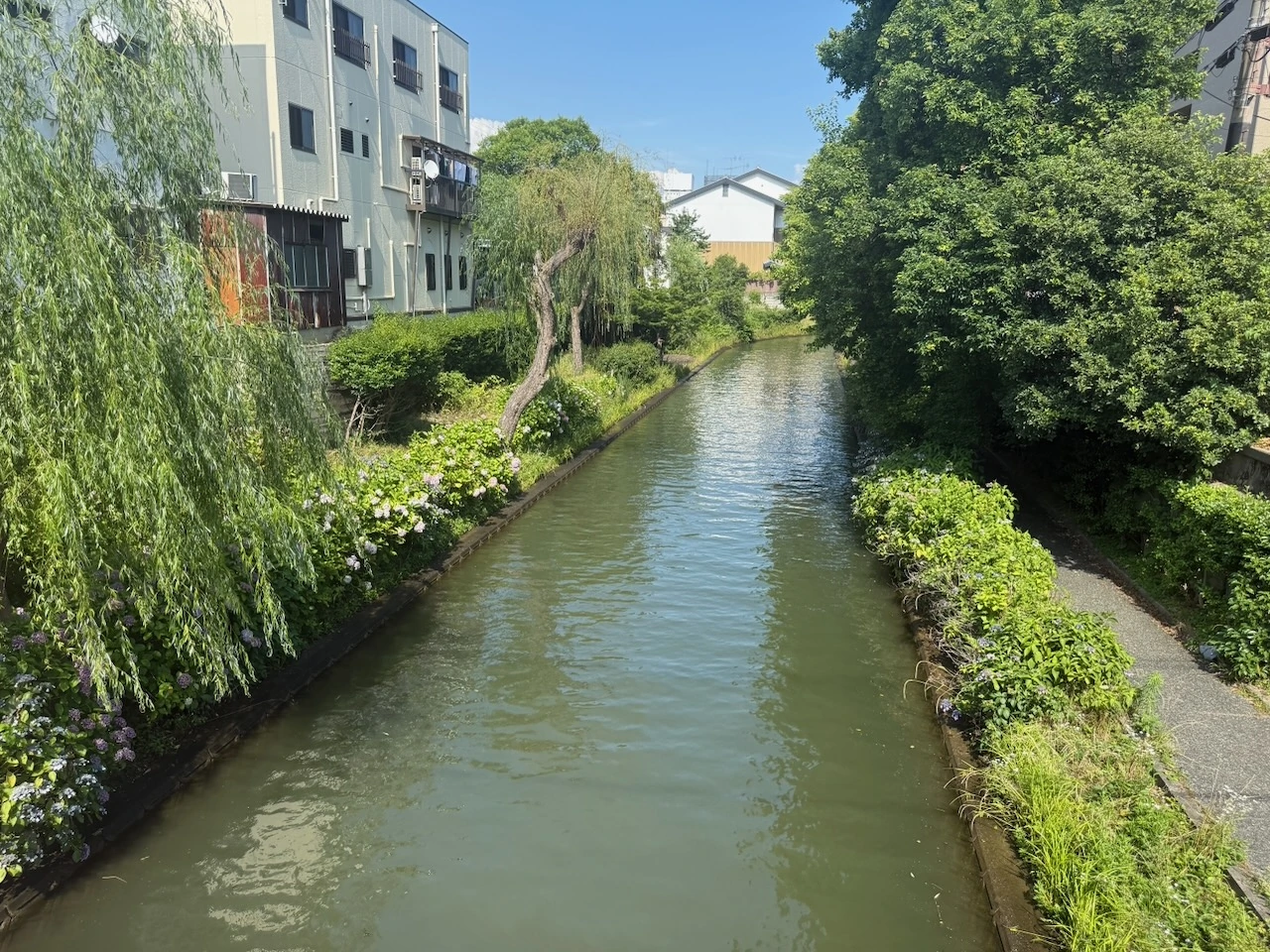
The station, and the tasting location, are located in the Fushimi (伏見区) 🗾 ward. Fushimi (which used to be its own “town”) originally comes from fusu + mizu, meaning “hidden water” or “underground water”. In other words, the location was known for good spring water. It is therefore a vital area for sake making.
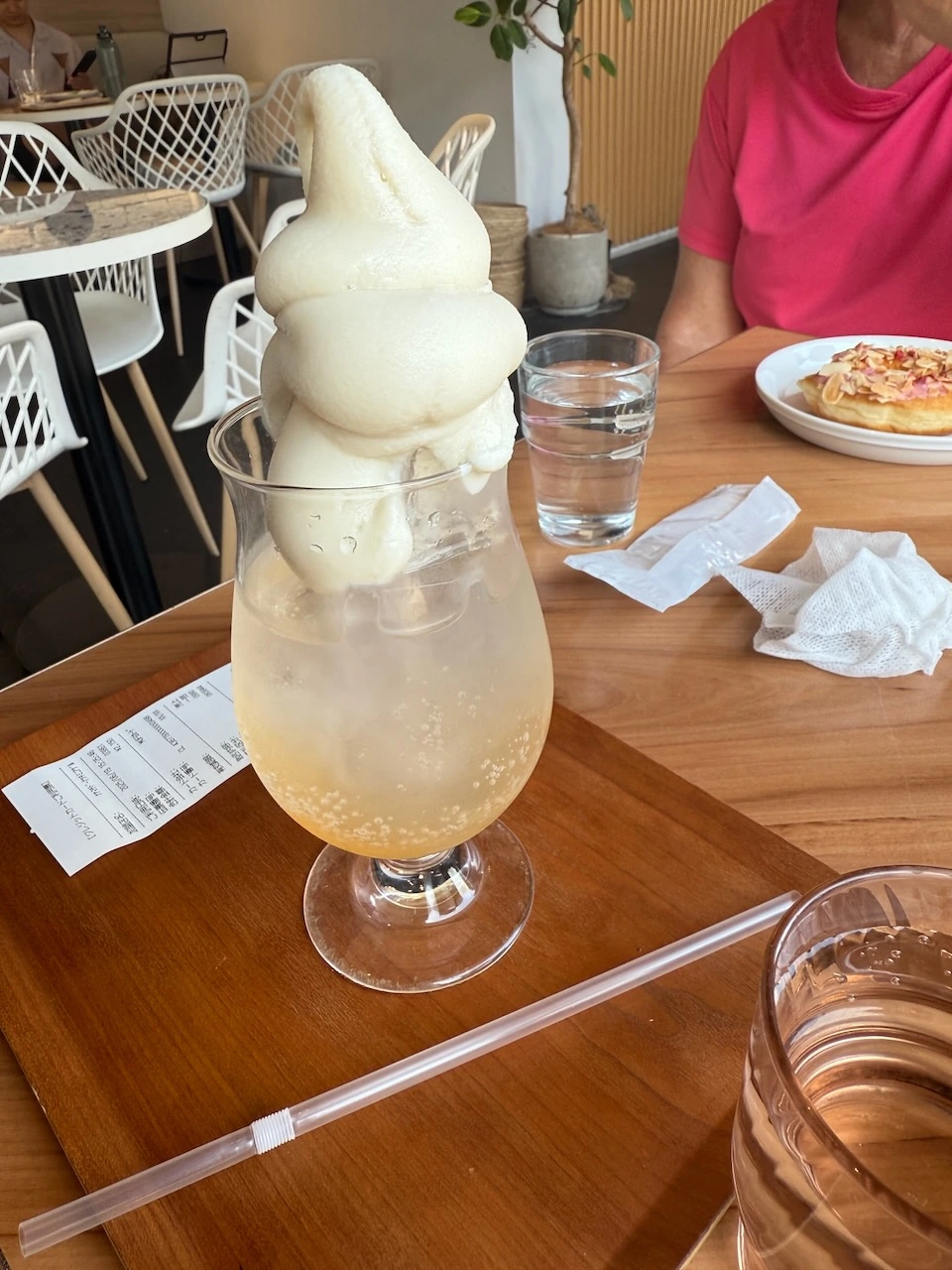
From the station, we walk through a cute area to Nayamachi (名納屋町), a historic shopping street near the sake-tasting location. Unfortunately, we mostly forgot to take many pictures. Before tasting sake, we stopped at Nayamachi Donuts, I’ll give them to you (Nayamachi Donuts 君に、あげる) 🗾. They offer a healthier twist on traditional donuts by incorporating rice flour and superfoods into their recipes. We enjoyed a pastry, a donut, and a float.
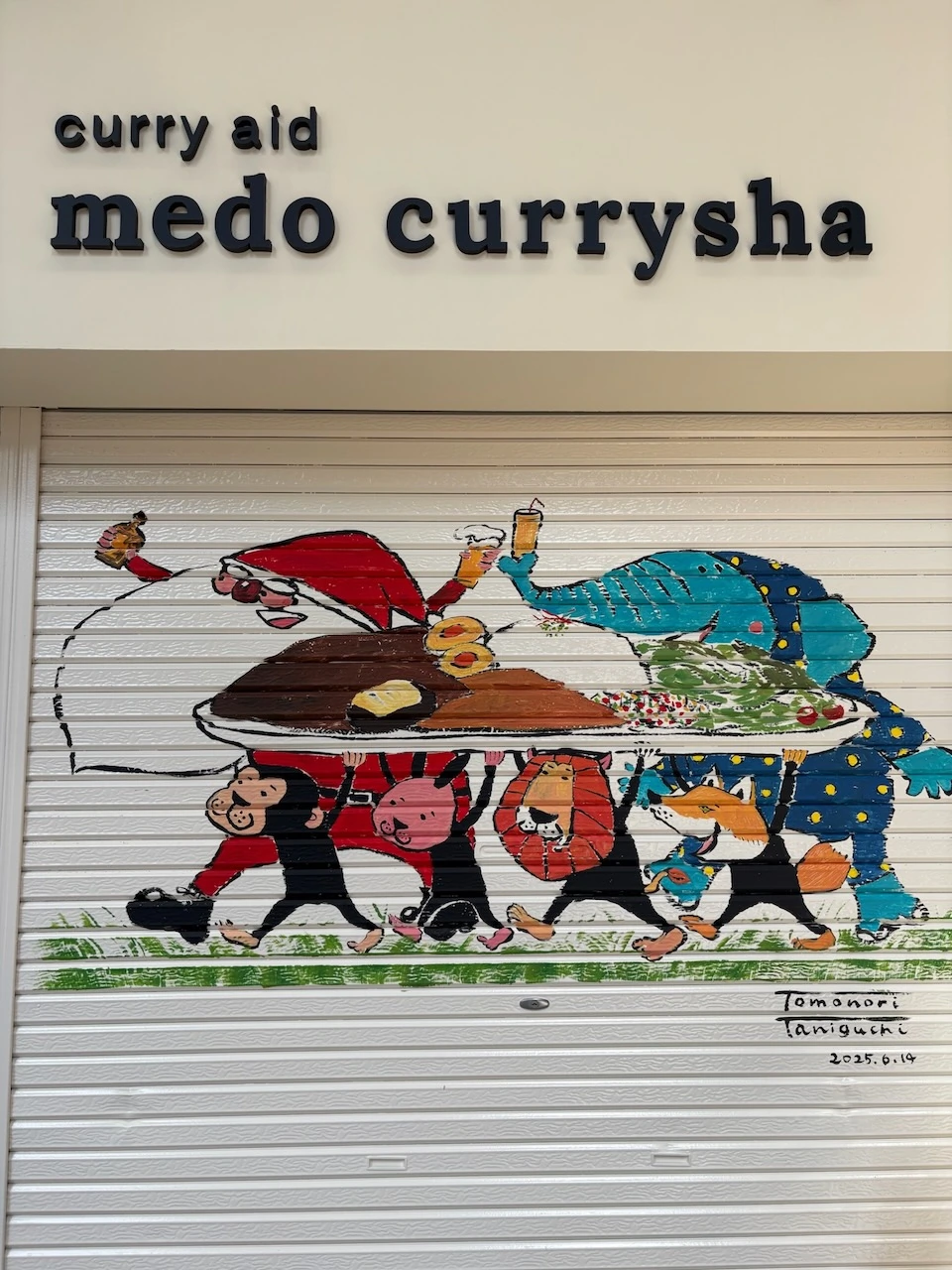
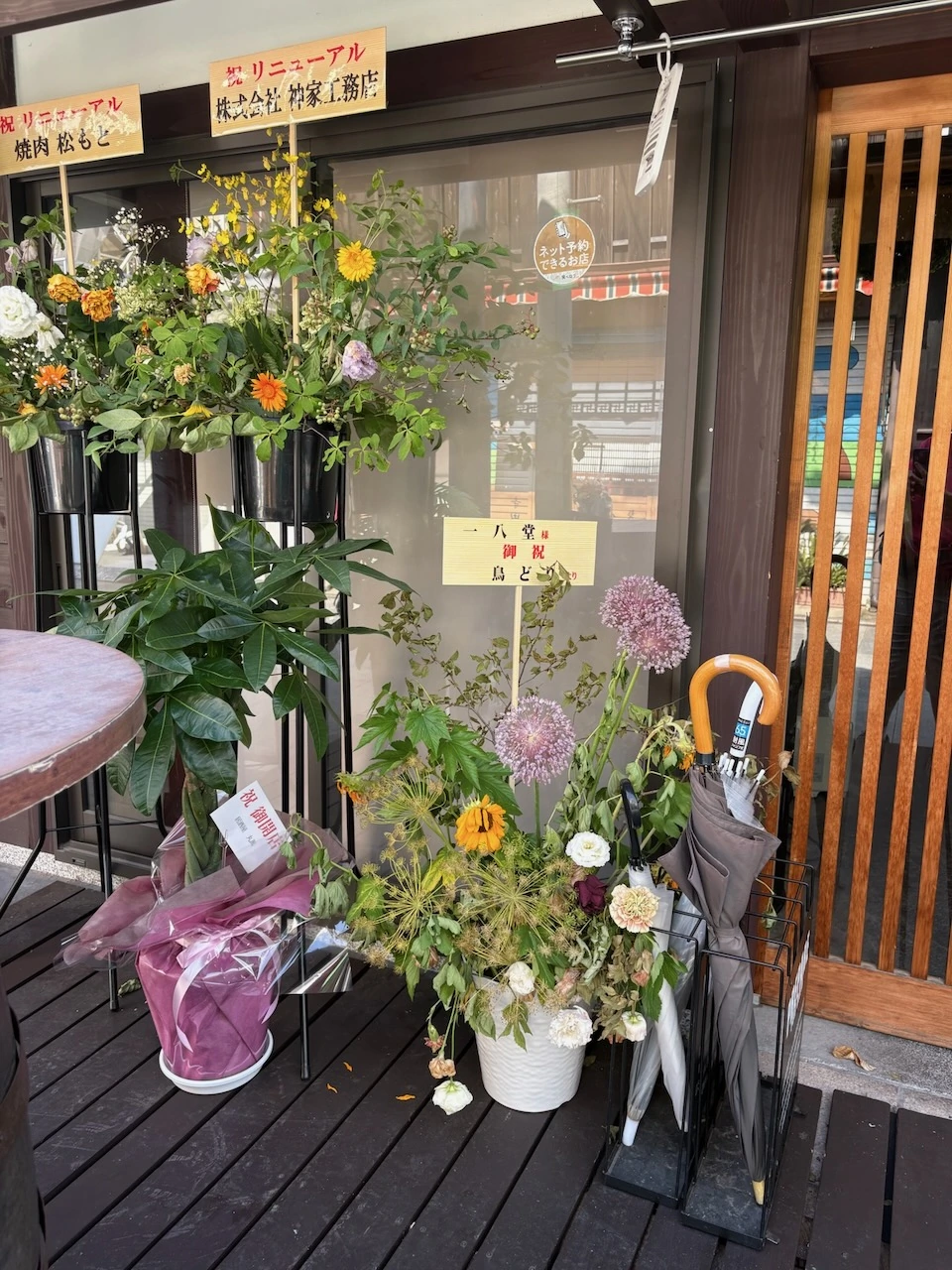
We also ran into colorful artwork on a storefront shutter for medo curry sha. Some research revealed that this shop only opened on June 3. The artwork, by Tomonori Taniguchi was dated June 14, so just a few days before we came by!
Kyoto Insider Sake Experience
At the insider sake experience, we were welcomed into a small tasting room by Mayo, our “teacher.” She first explained that the term for what we call sake is really Nihonshu in Japan.
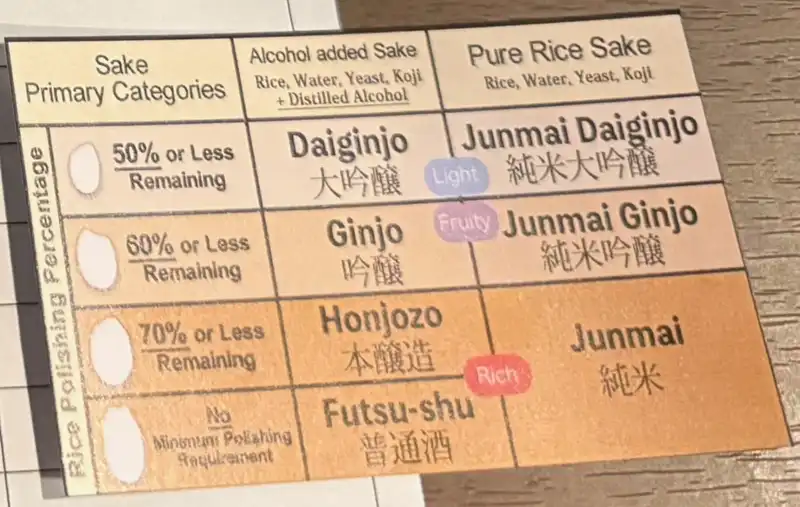
She explained the general process of making sake and the importance of selecting rice and water (hence the importance of Fushimi). She also described how variations in the process. One of those differences is whether or not alcohol is added. If not, the “pure” sake is labelled “Junmai (純米)”. The other dimension is the level of polishing of the rice used. The “cheat sheet” then shows standard descriptive labels for the categories. I have a dedicated page explaining all this.
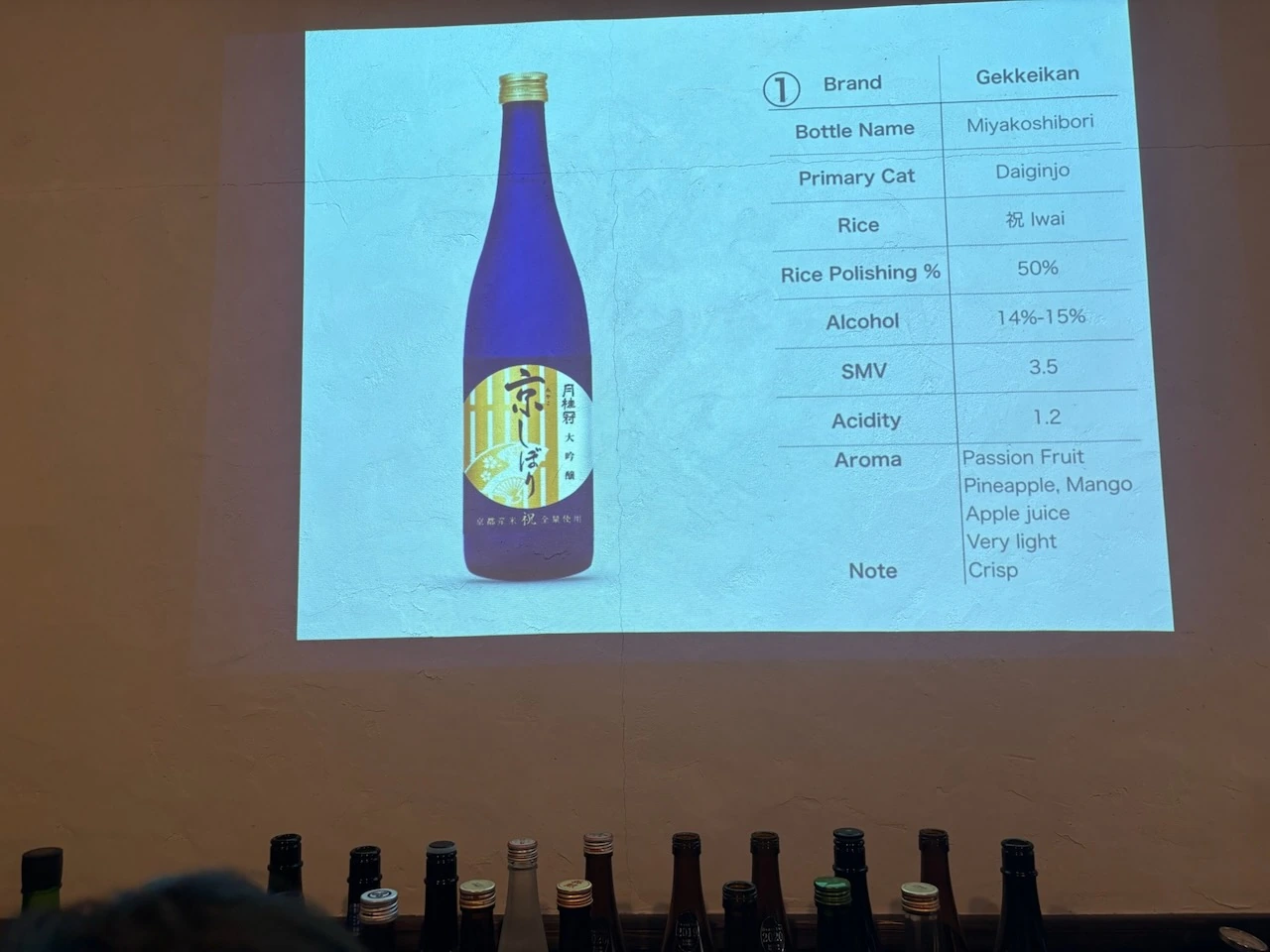
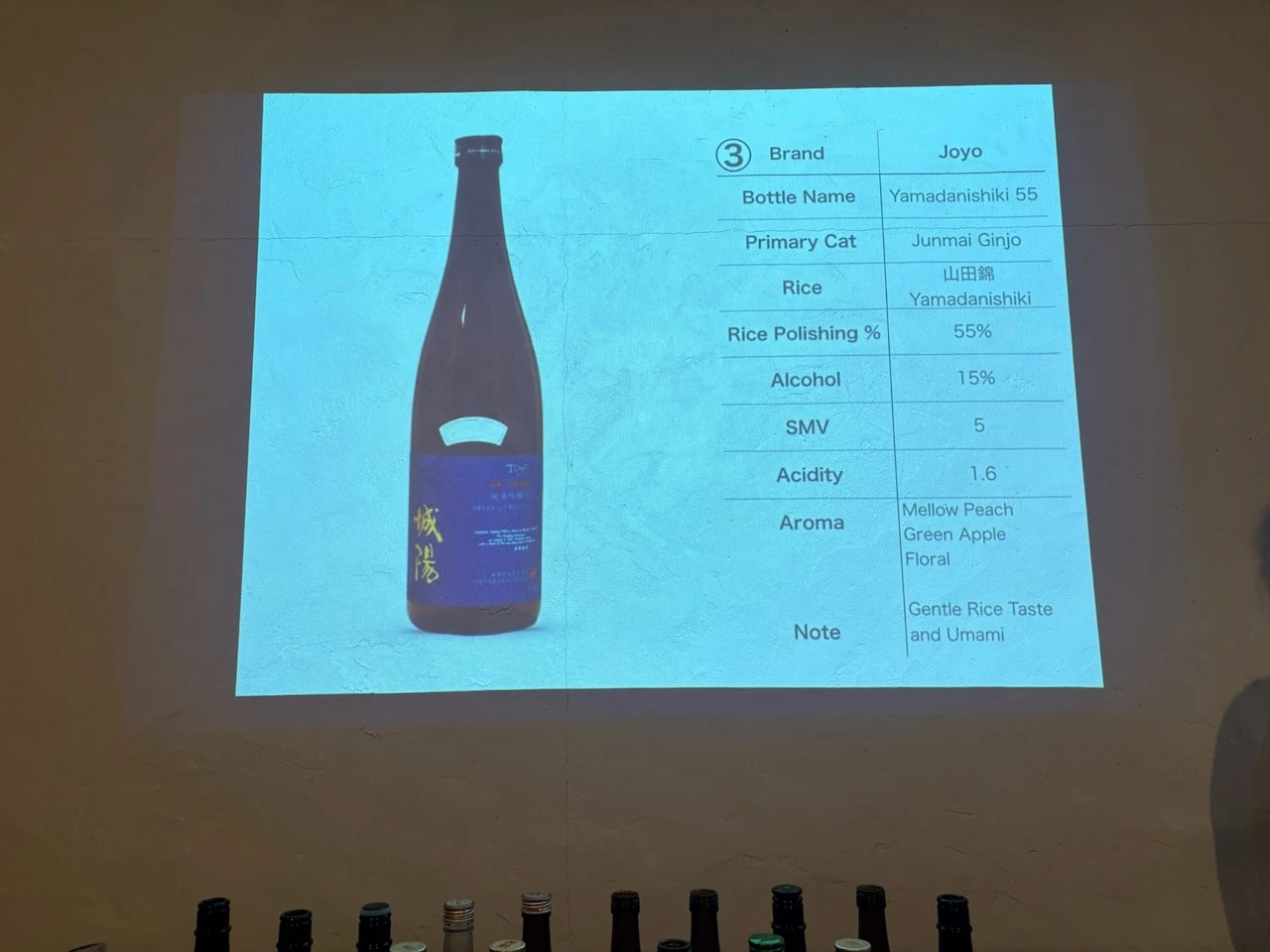
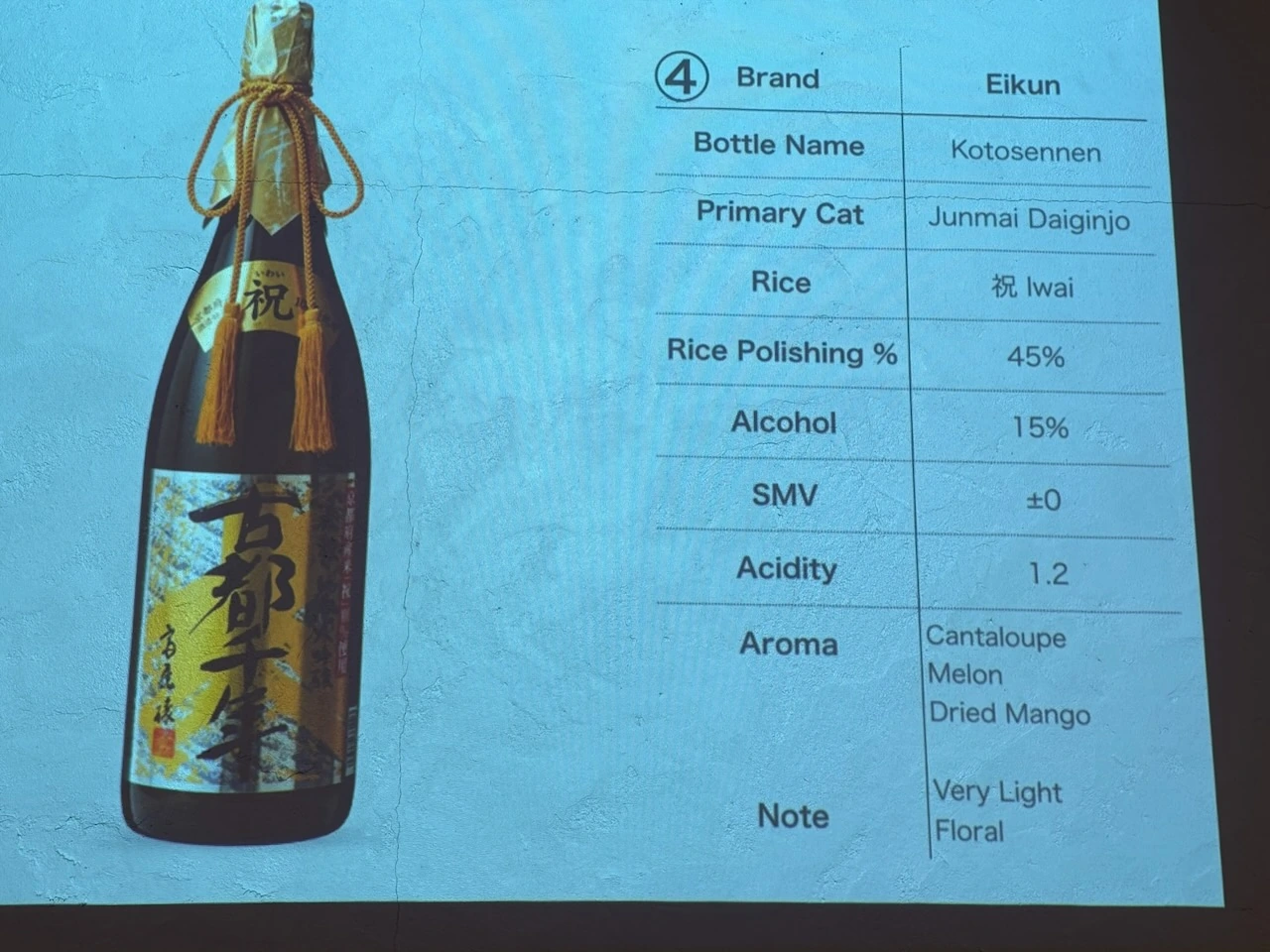
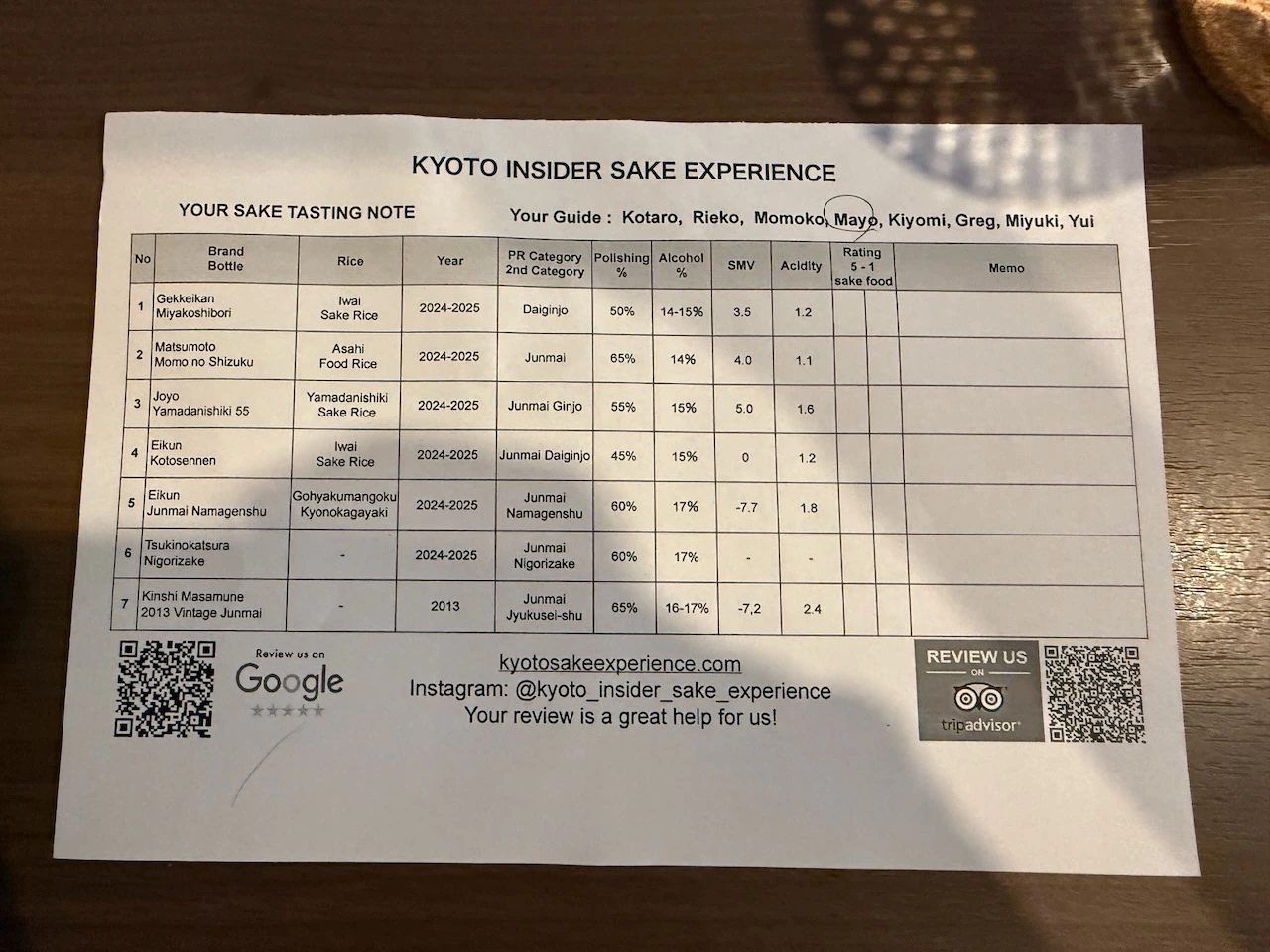
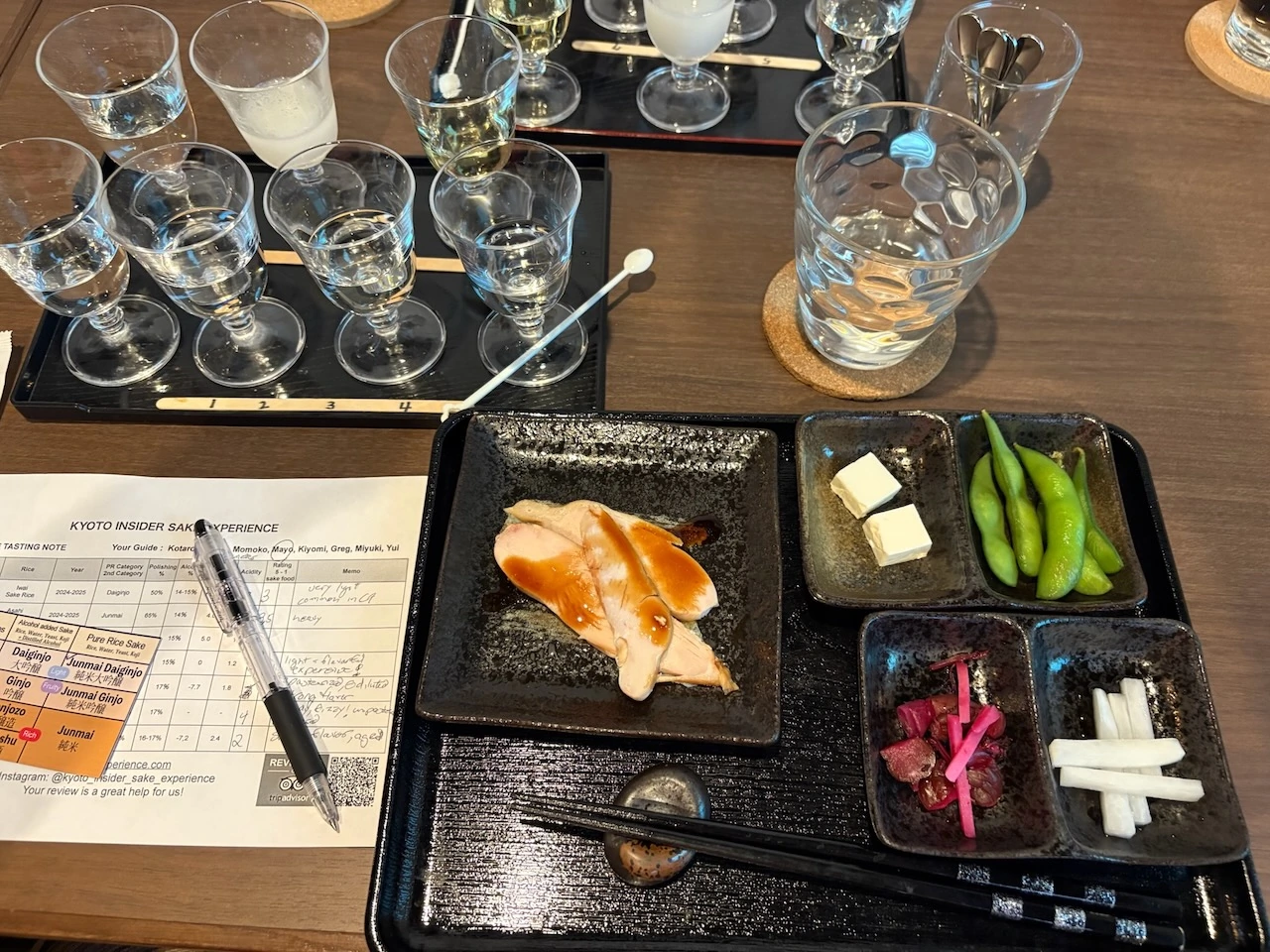
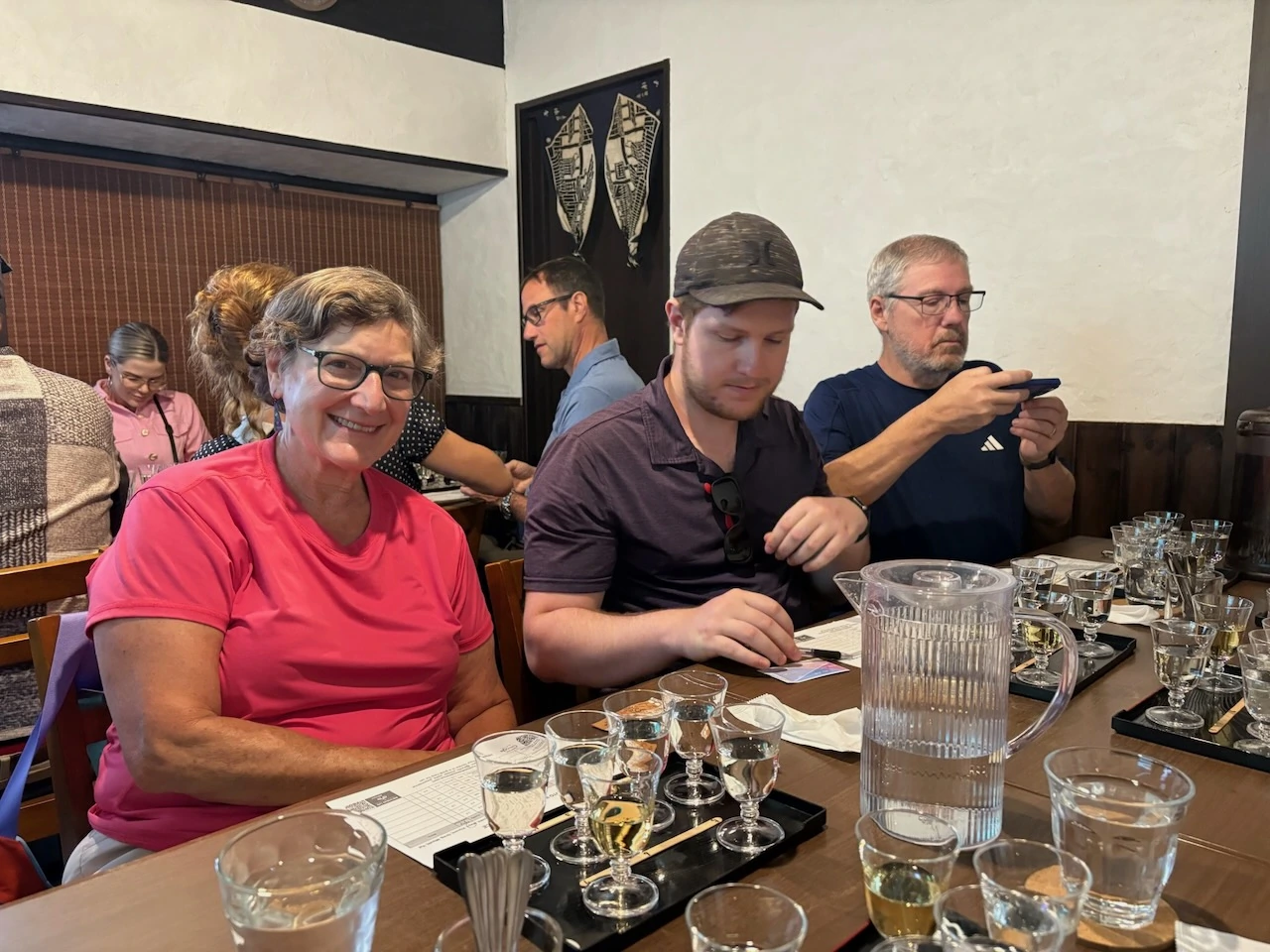
After the process education, we learned about the influence of these factors on the taste and character of the resulting sake, as well as how each of these general profiles best matches certain foods. Finally, we got to taste a flight of six different sakes, each paired with a food. We also received a “special” 7th sake, of a 2013 vintage.
This was an enjoyable and educational experience.
Katsu dinner
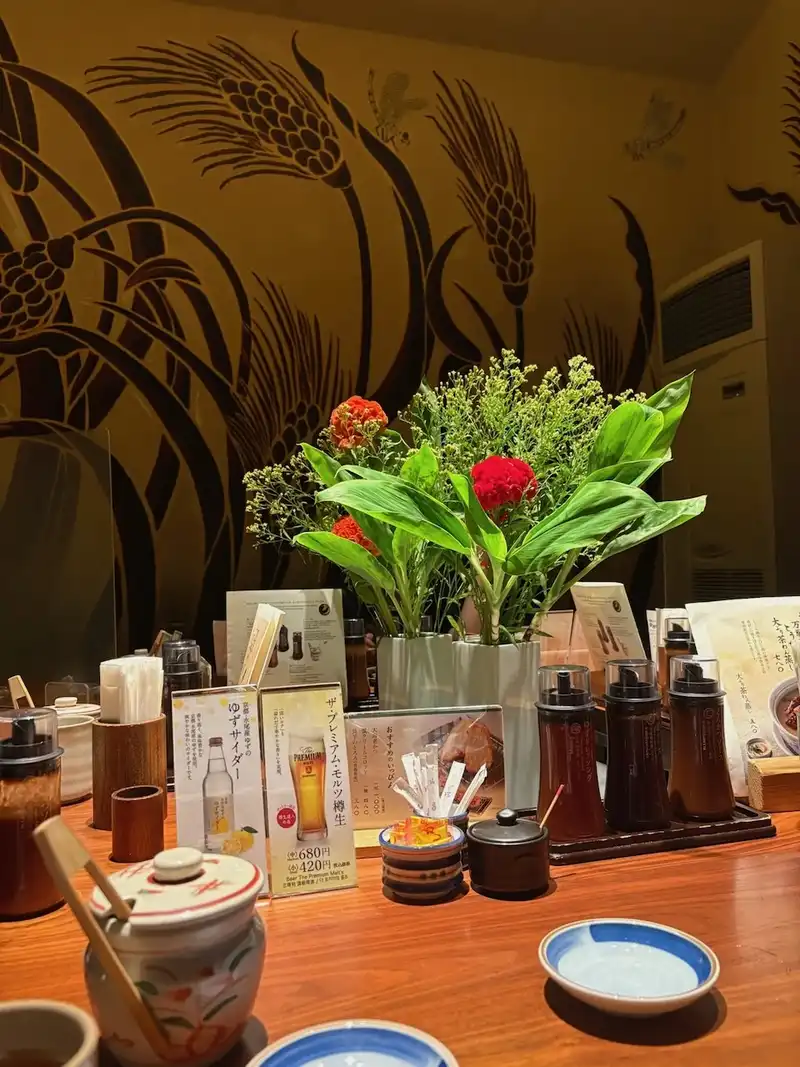
After the tasting experience, we made our way back to the station, which took about 25 minutes, and took the train and subway back to Shijō Station (四条駅) 🗾. From there, it was but a short walk to dinner. We found Katsukura Shijo Higashinotoin (名代とんかつ かつくら 四条東洞院店), where we enjoyed a great Tonkatsu dinner. This restaurant is part of a chain, with locations in Kyoto, Osaka, Shiga, Hyogo, Tokyo, Kanagawa, Kumamoto, and Bangkok. Despite it being a chain (is it fair to call it that?), the food uses quality ingredients, and taste and atmosphere were quite good.
Some menu items we had were:
- Crab Meat Cream Croquette And Pork Tenderloin Cutlet Set Meal
- Large Prawn Cutlet And Pork Tenderloin Cutlet Set Meal
- Some à la carte items (we ordered more cream croquettes and shrimp, for example)
- Drinks