Kyoto: Nijo Castle
We took a taxi from Ginkaku-ji to Nijō Castle. There are fees for the main palace and grounds; separate fees apply if you also wish to see the Ninomaru Palace, and another fee to see the Honmaru-goten Palace (limited, same-day ticket).
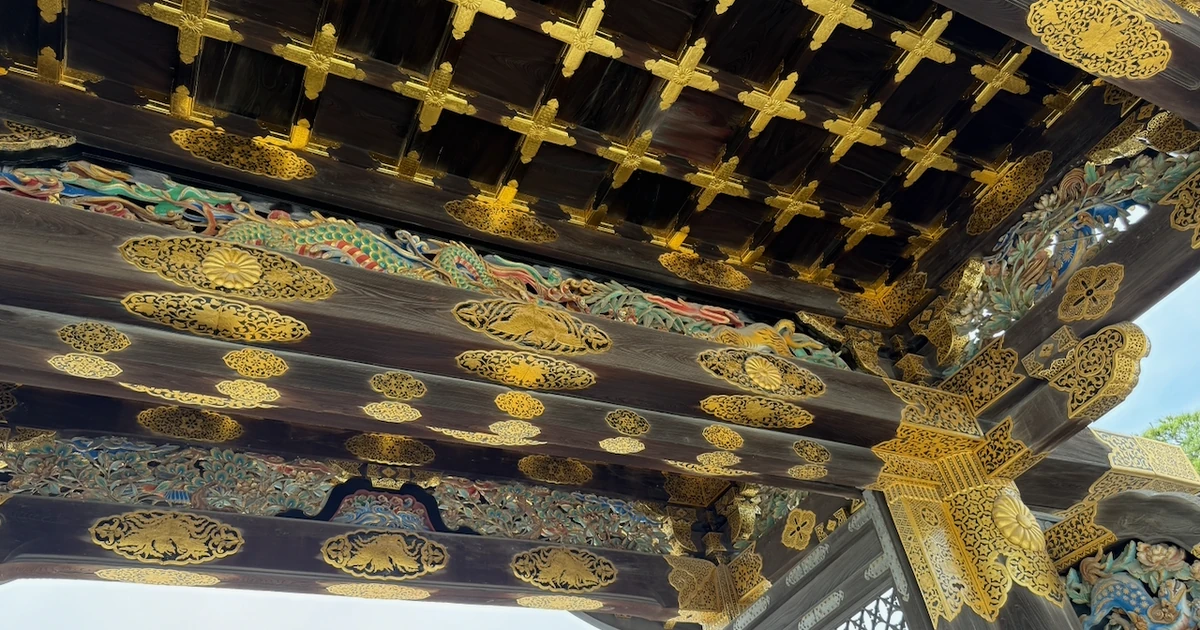
The taxi ride from Ginkaku-ji (銀閣寺) 🗾 to Nijō Castle (二条城) 🗾 was about 15-20 minutes and dropped us off right in front, where you have to buy tickets to enter the palace and its grounds. There are fees for the main palace and grounds; separate fees apply if you also wish to see the Ninomaru Palace, and another fee to see the Honmaru-goten Palace (limited, same-day ticket).
We didn’t know about the separate ticket and would have liked to see the other parts, but couldn’t because we didn’t have the tickets for them. It turns out, with the heat and all, we were quite “done” after touring the main palace and grounds, so it worked out fine, but be warned!
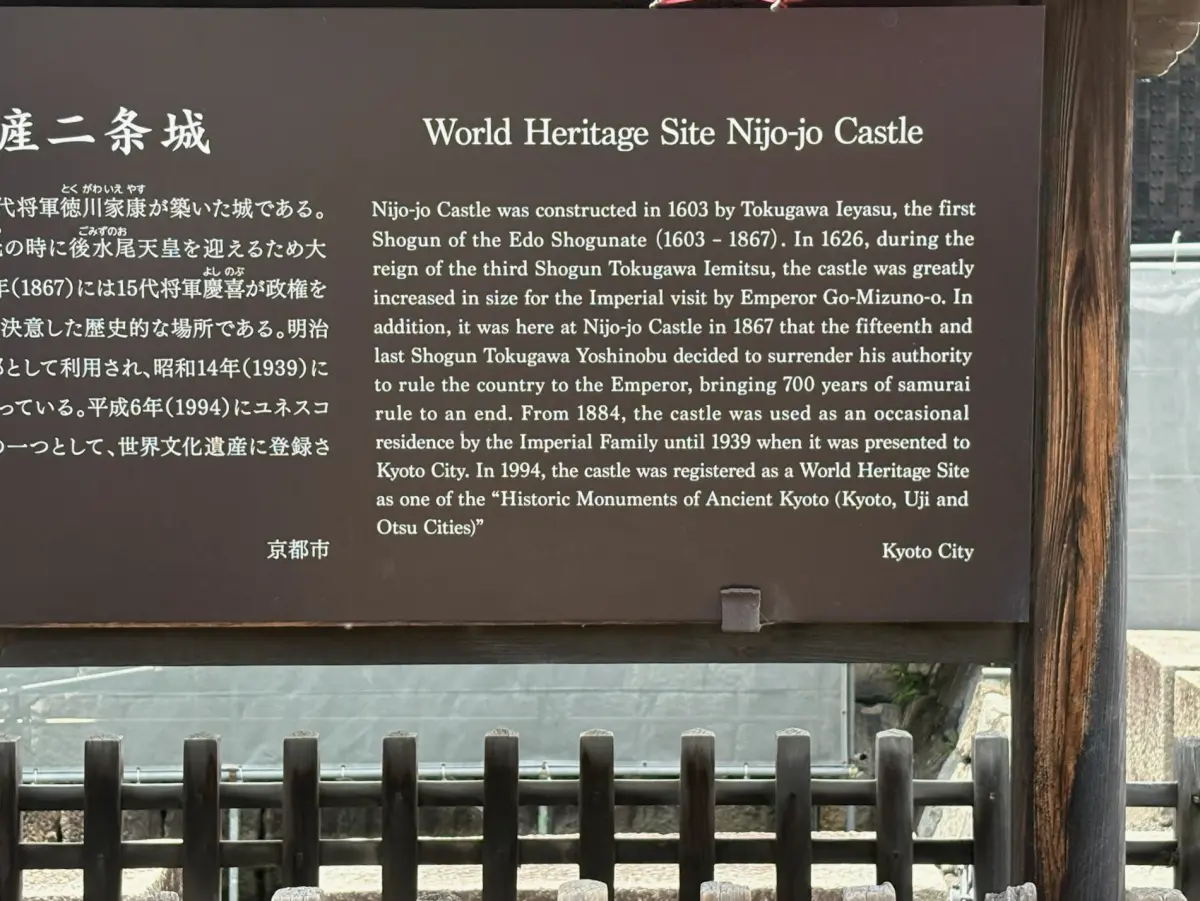
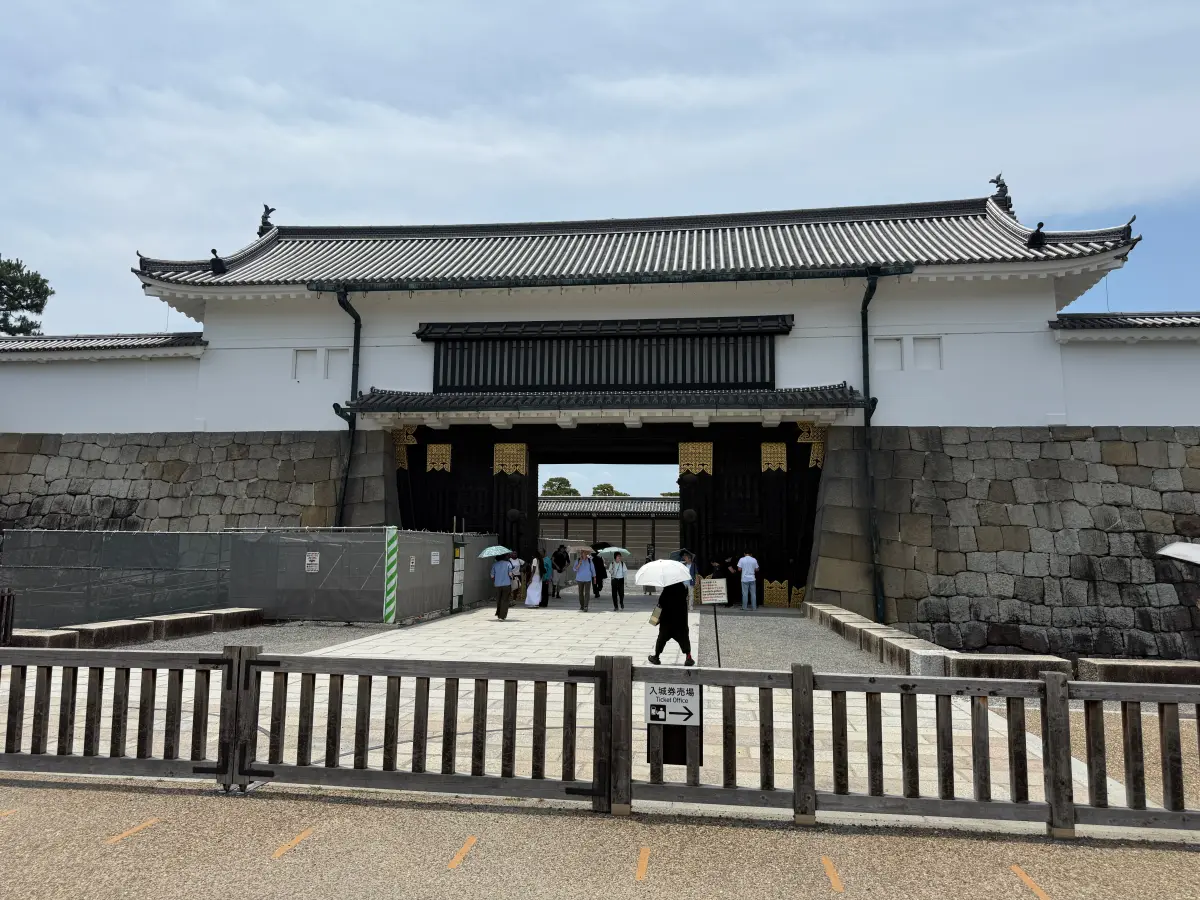
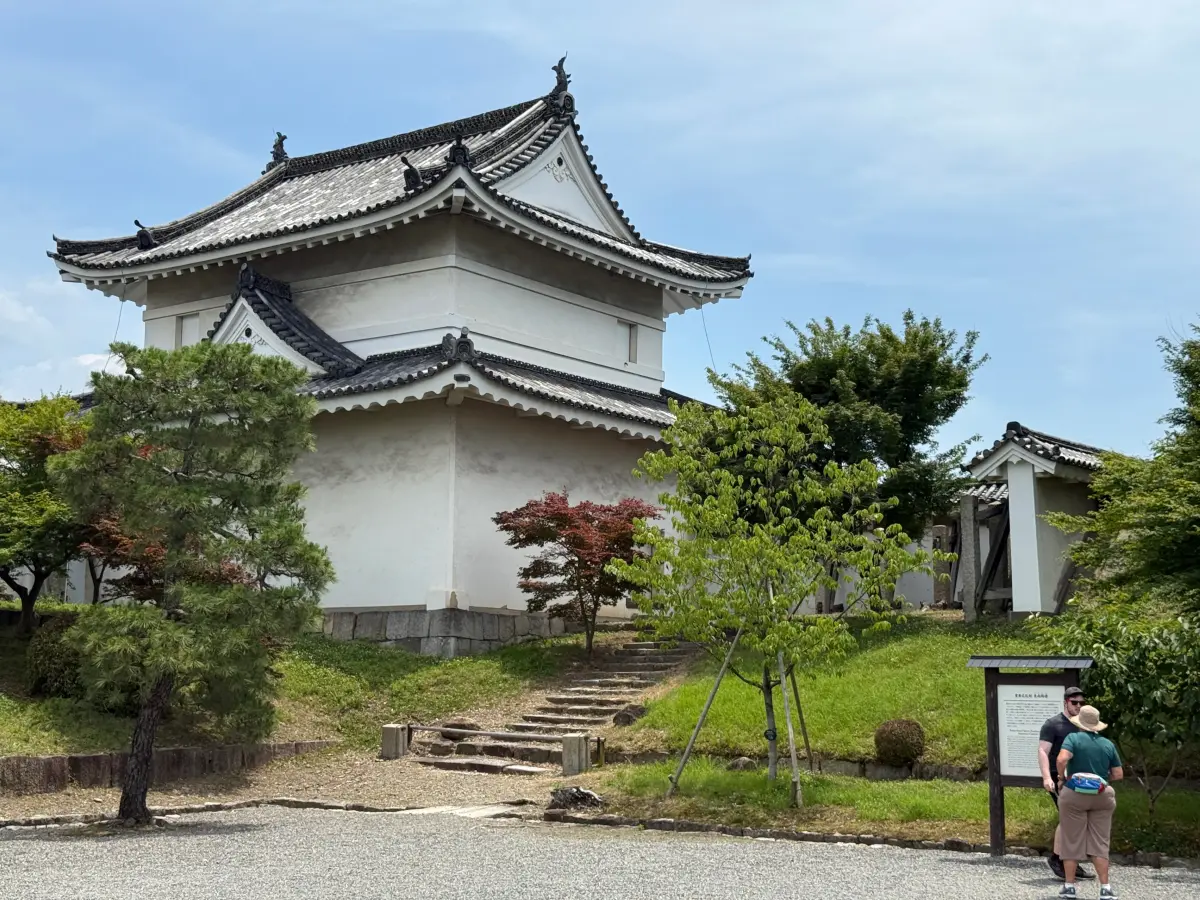
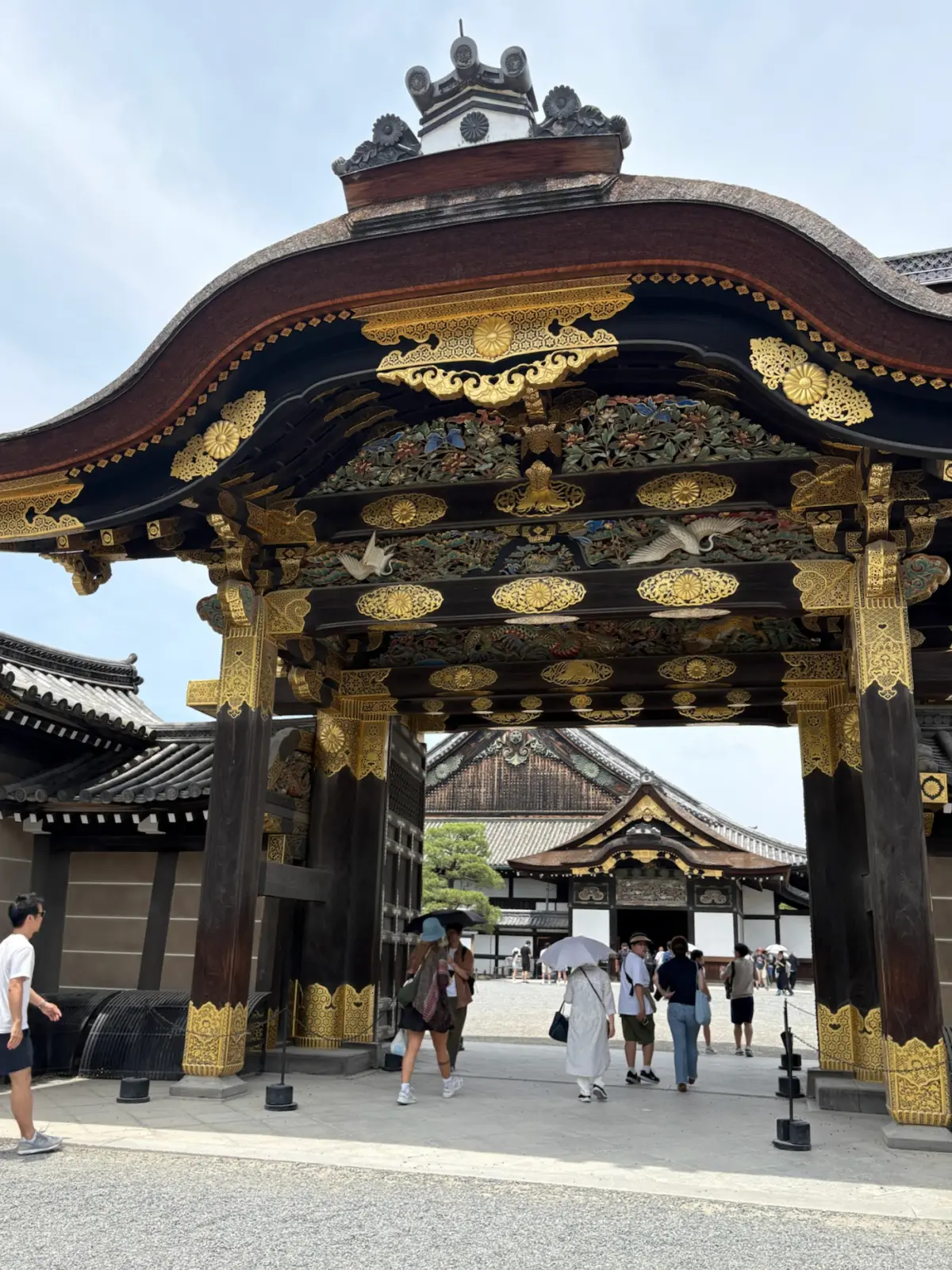
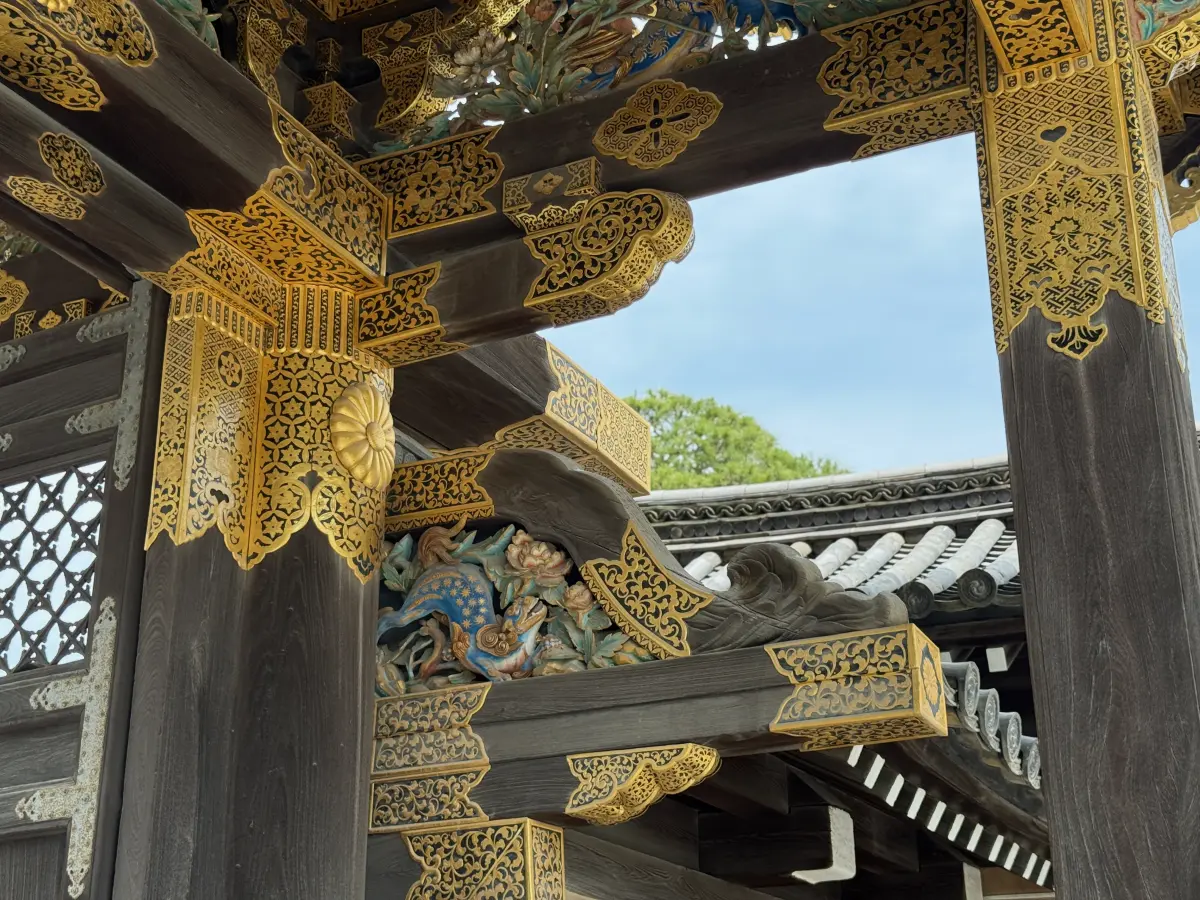
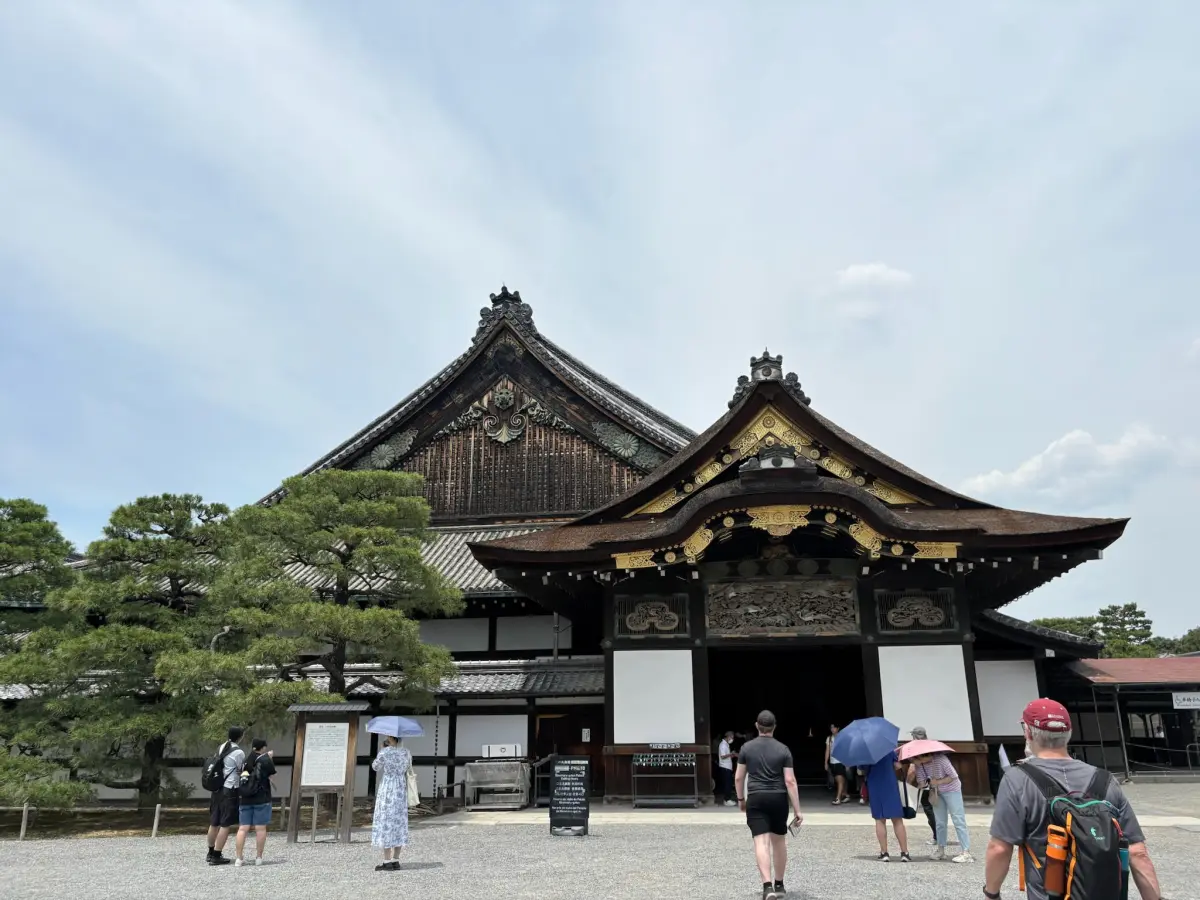
The overall site is designated as a UNESCO World Heritage Site. The Ninomaru palace is large and has an indoor walking route you follow (no shoes!). You come upon many large rooms, each with a separate function and intended for different levels of dignitaries. There were signs explaining things, but we benefited greatly from a guide leading a couple through it. We kind of stuck with them and heard verbal explanations that added value. So, you might want to consider arranging a guide for this. Photography is not allowed inside, hence no pictures!
In 1601, Tokugawa Ieyasu, the founder of the Tokugawa shogunate, ordered all the feudal lords in western Japan to contribute to the construction of Nijō Castle, which was completed during the reign of his grandson Tokugawa Iemitsu in 1626.
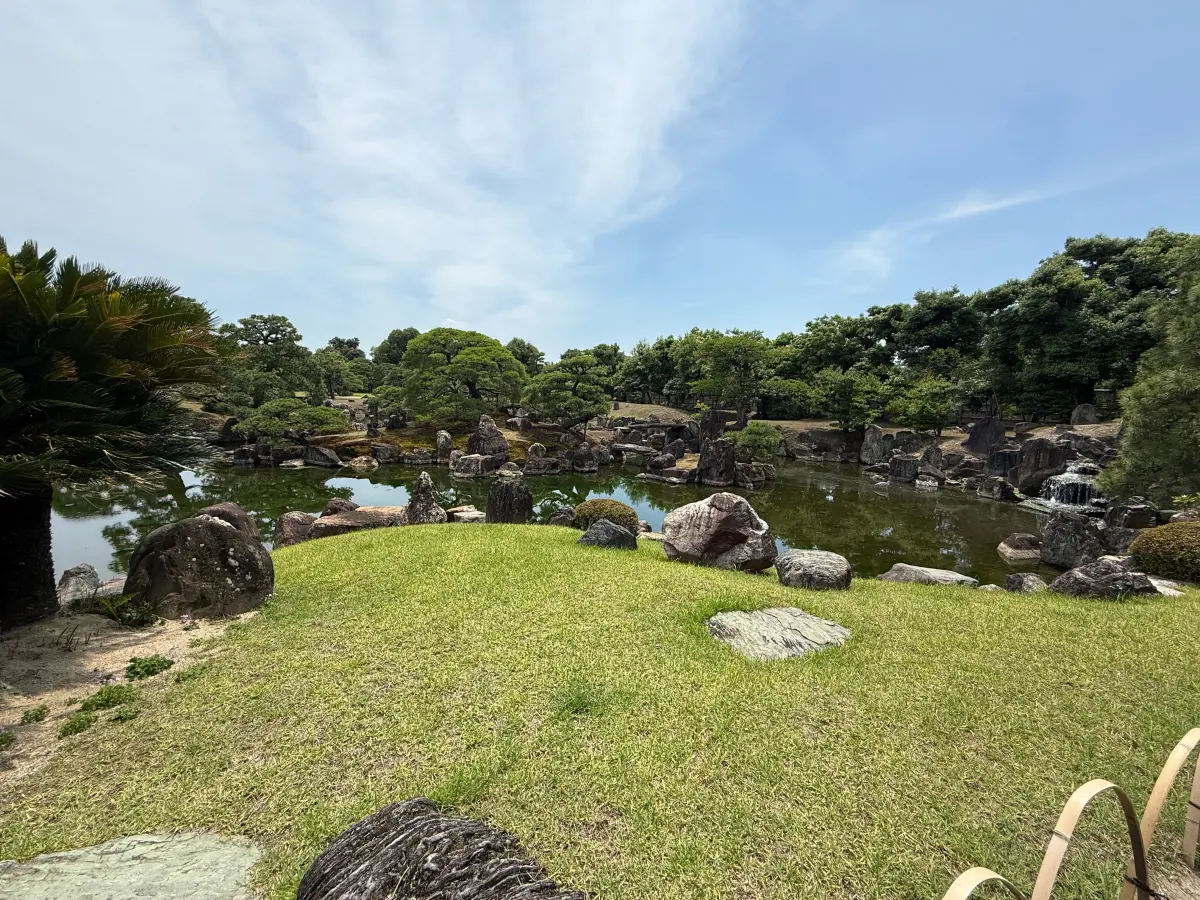
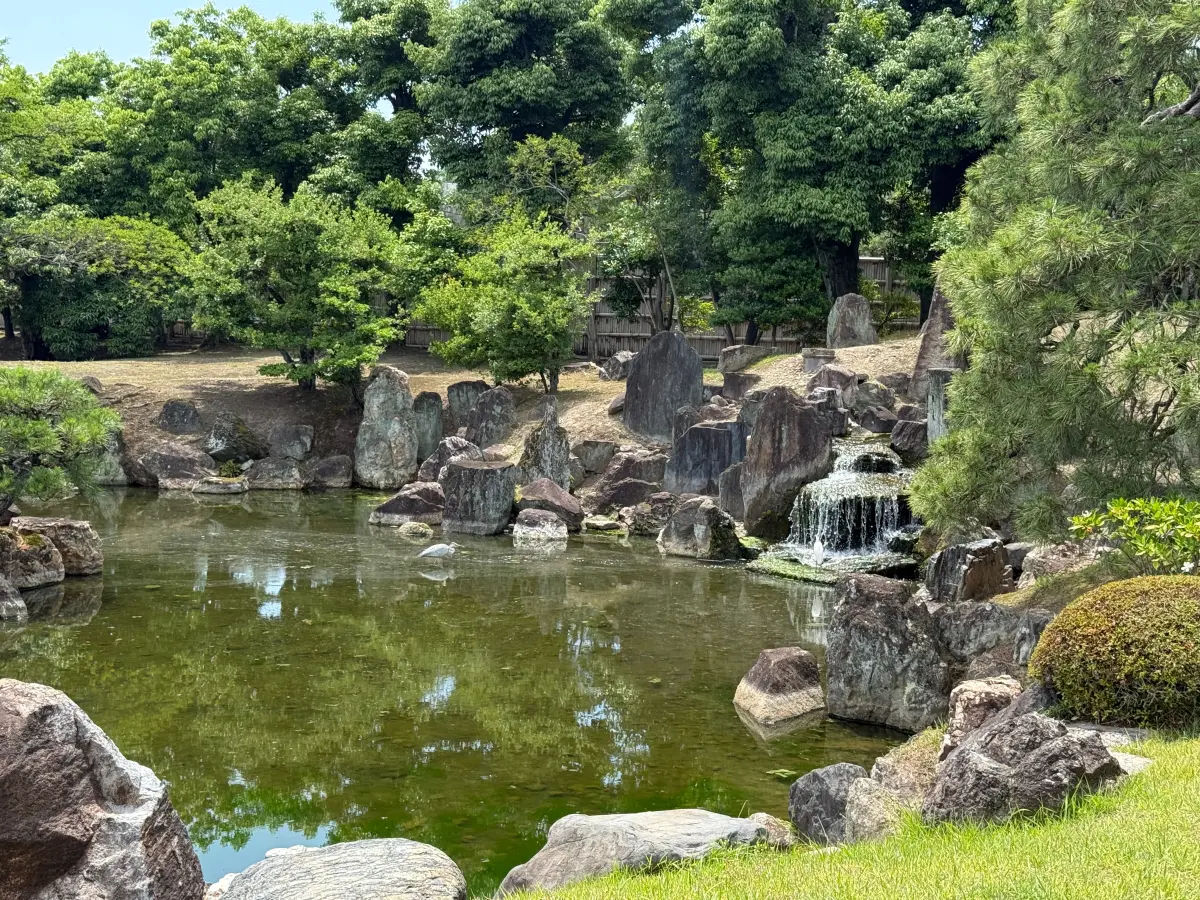
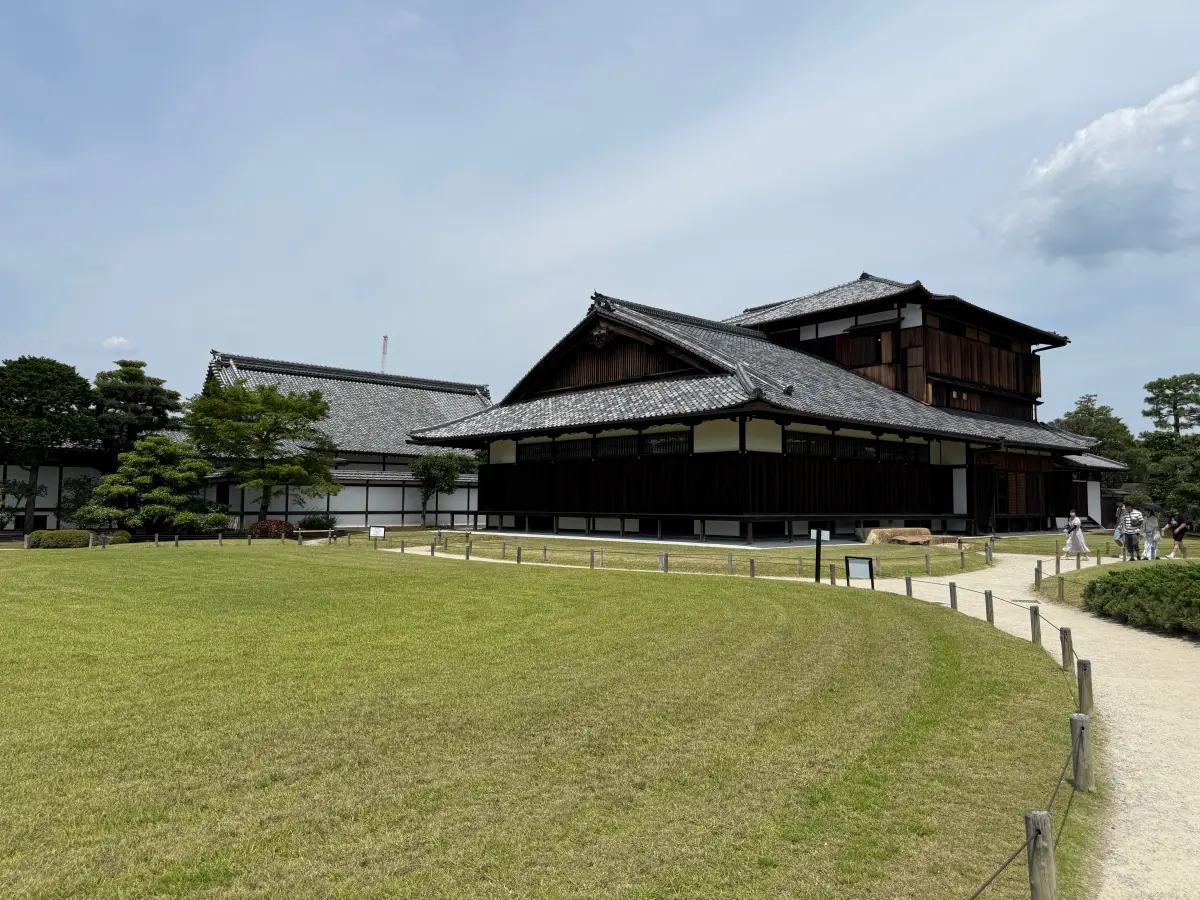
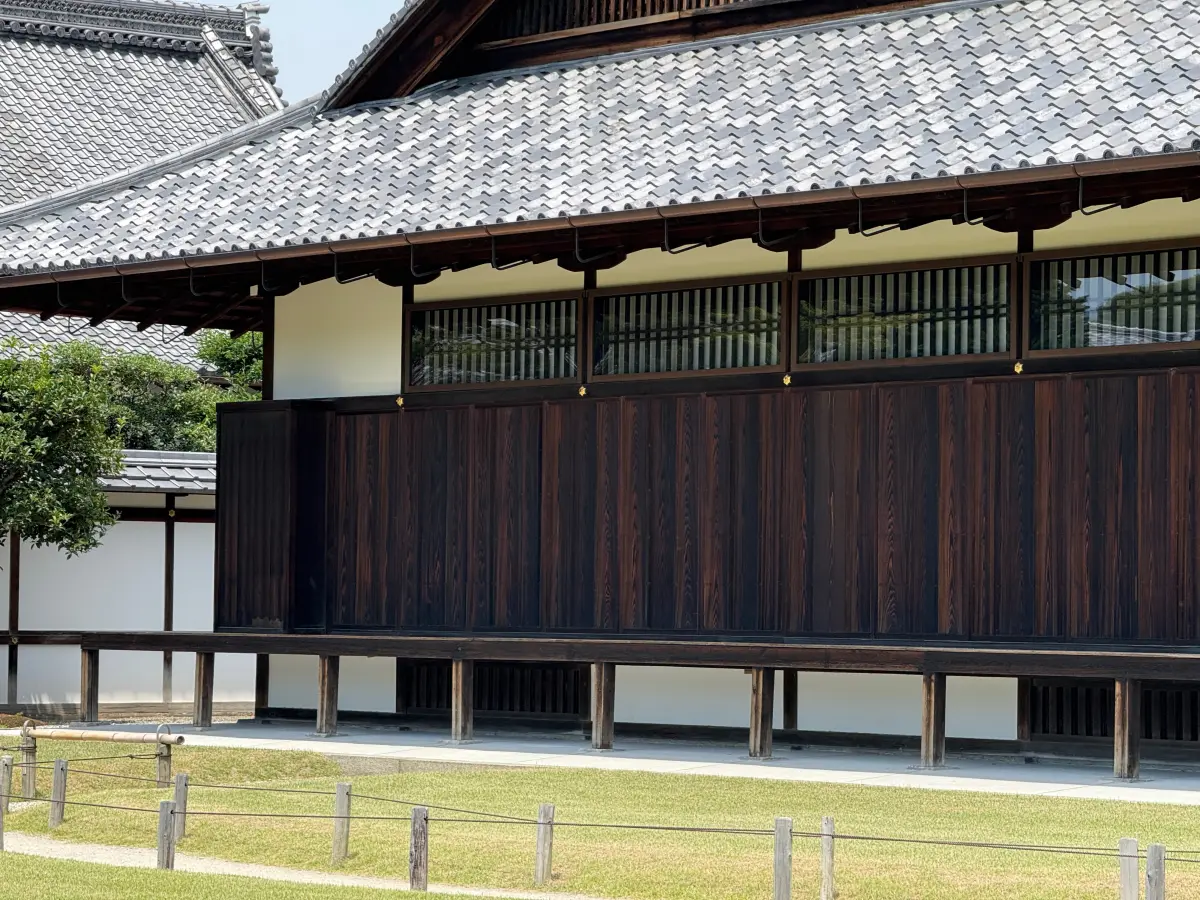
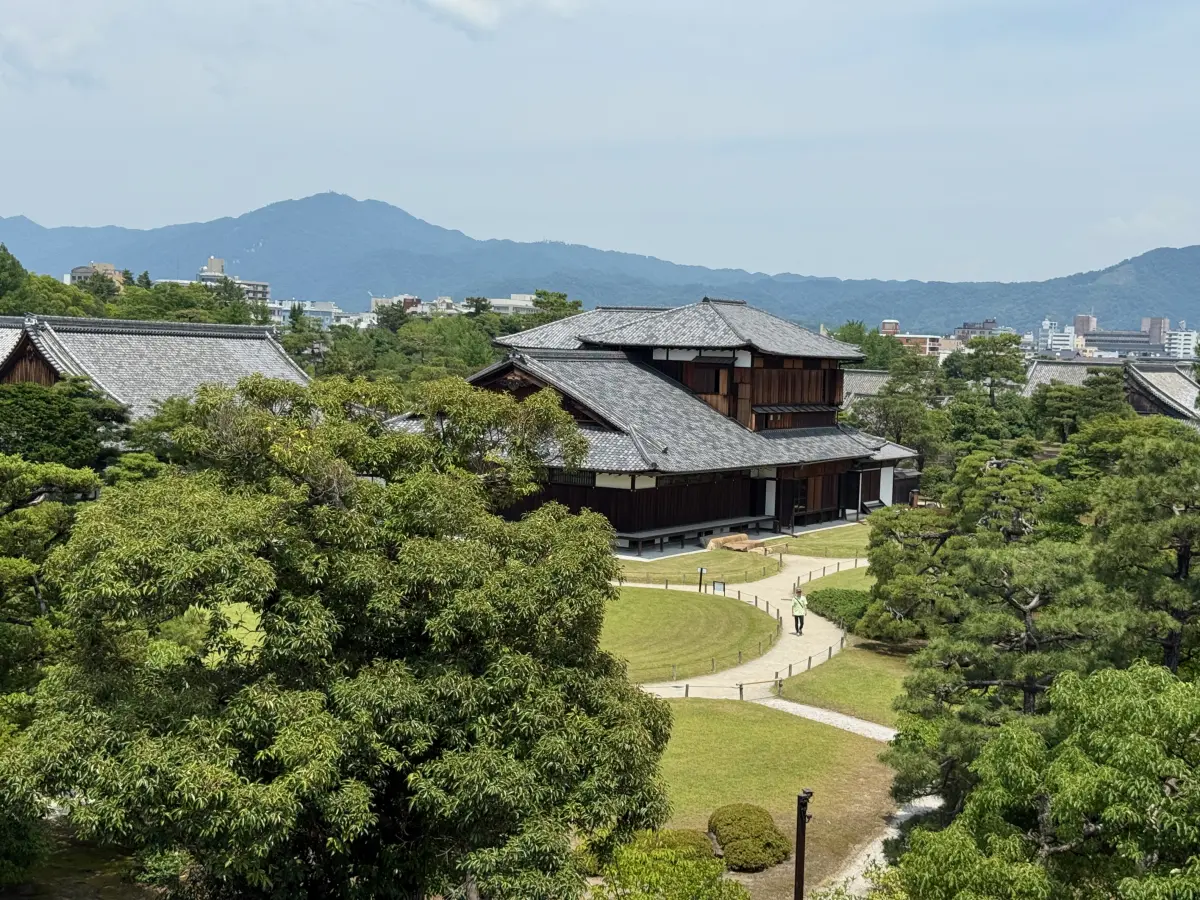
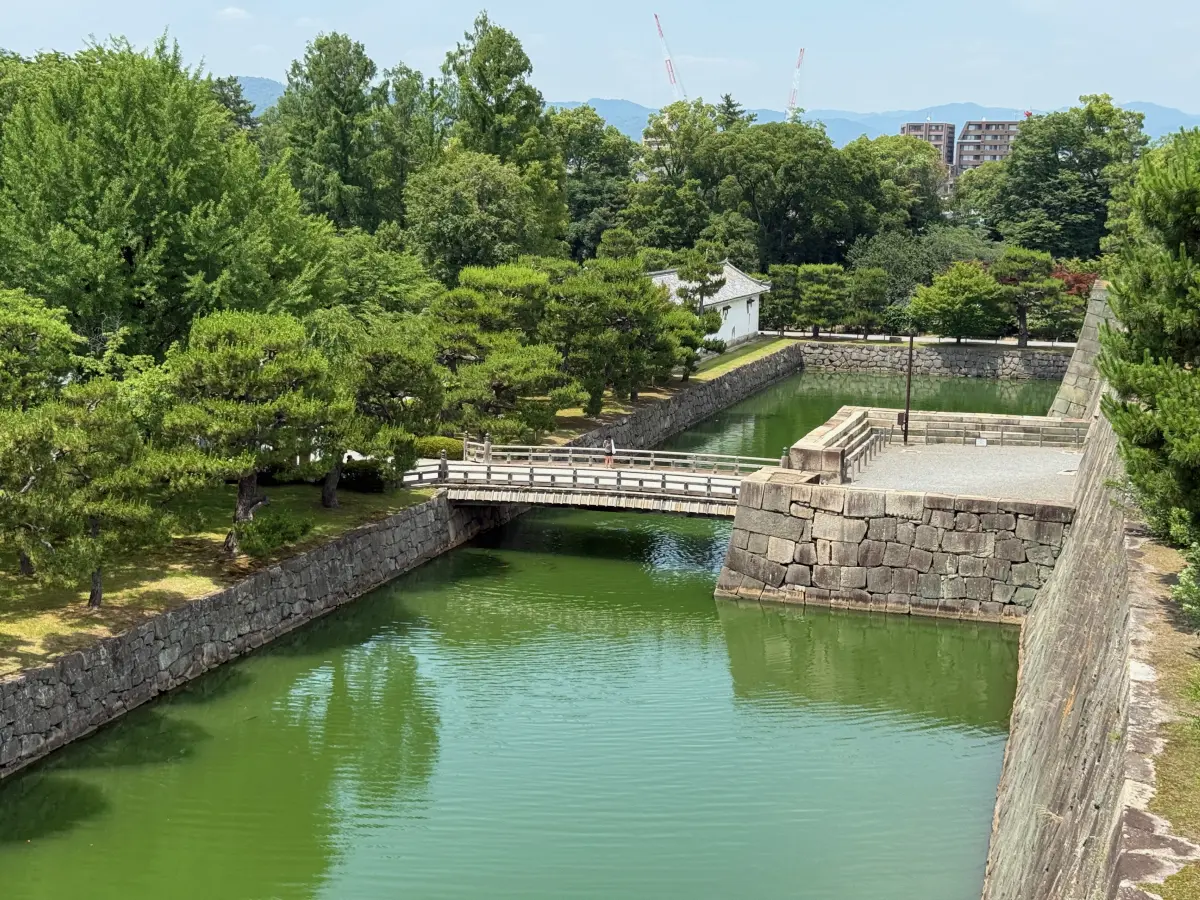
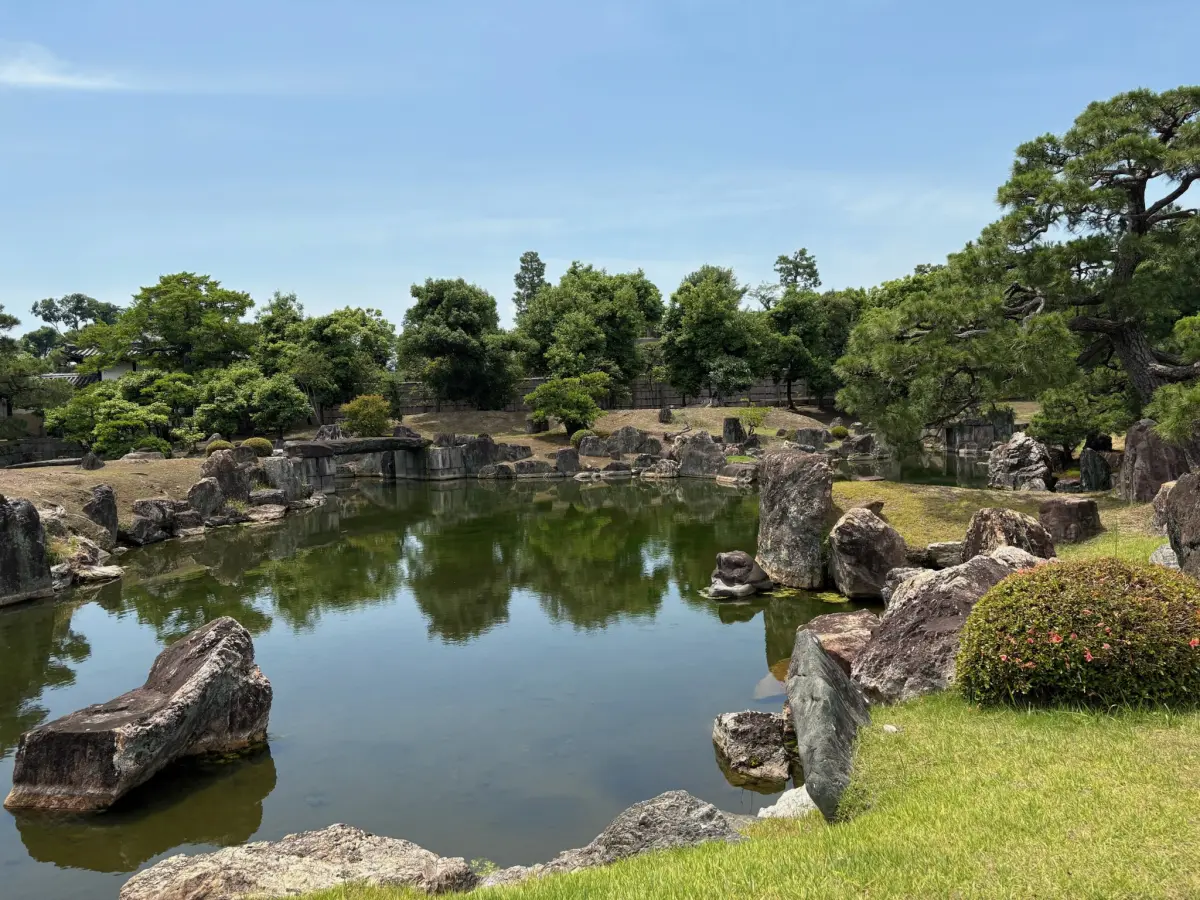
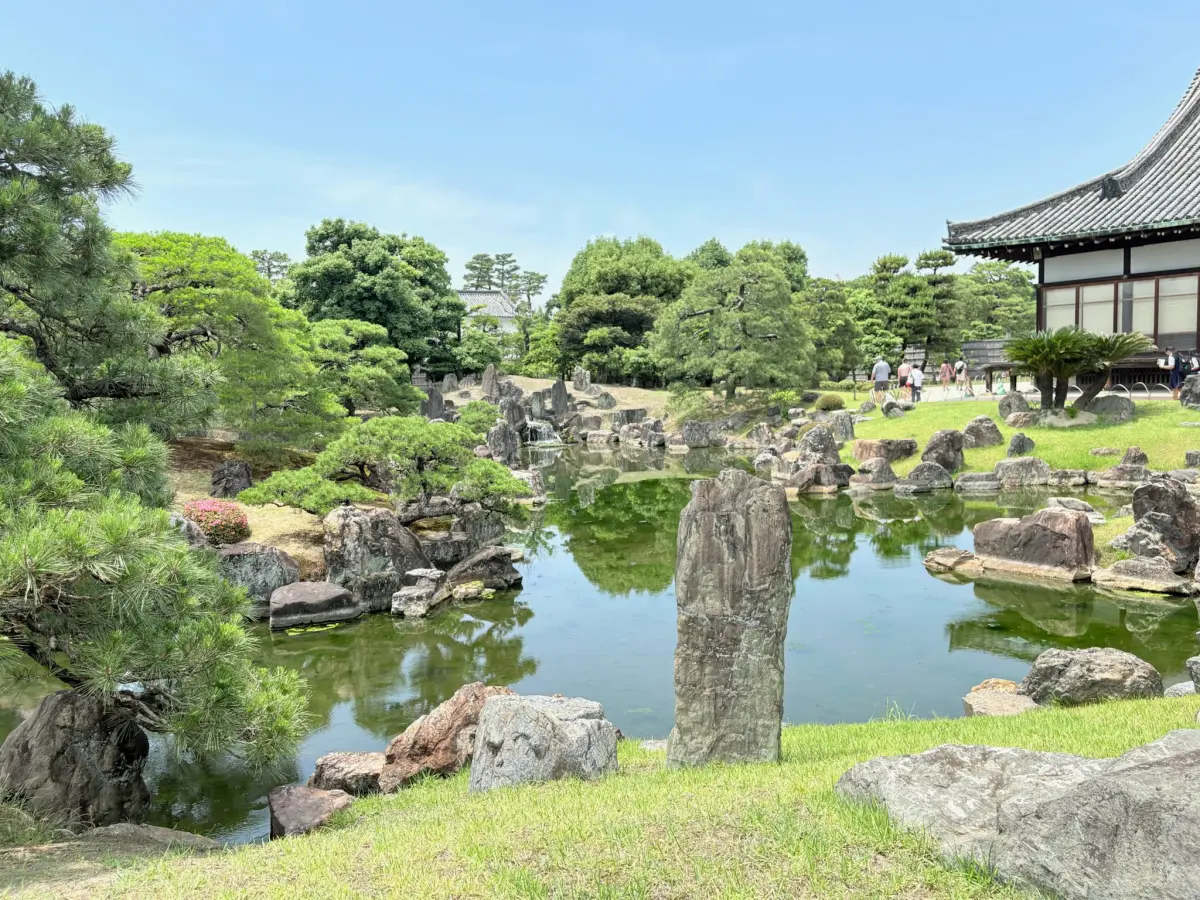
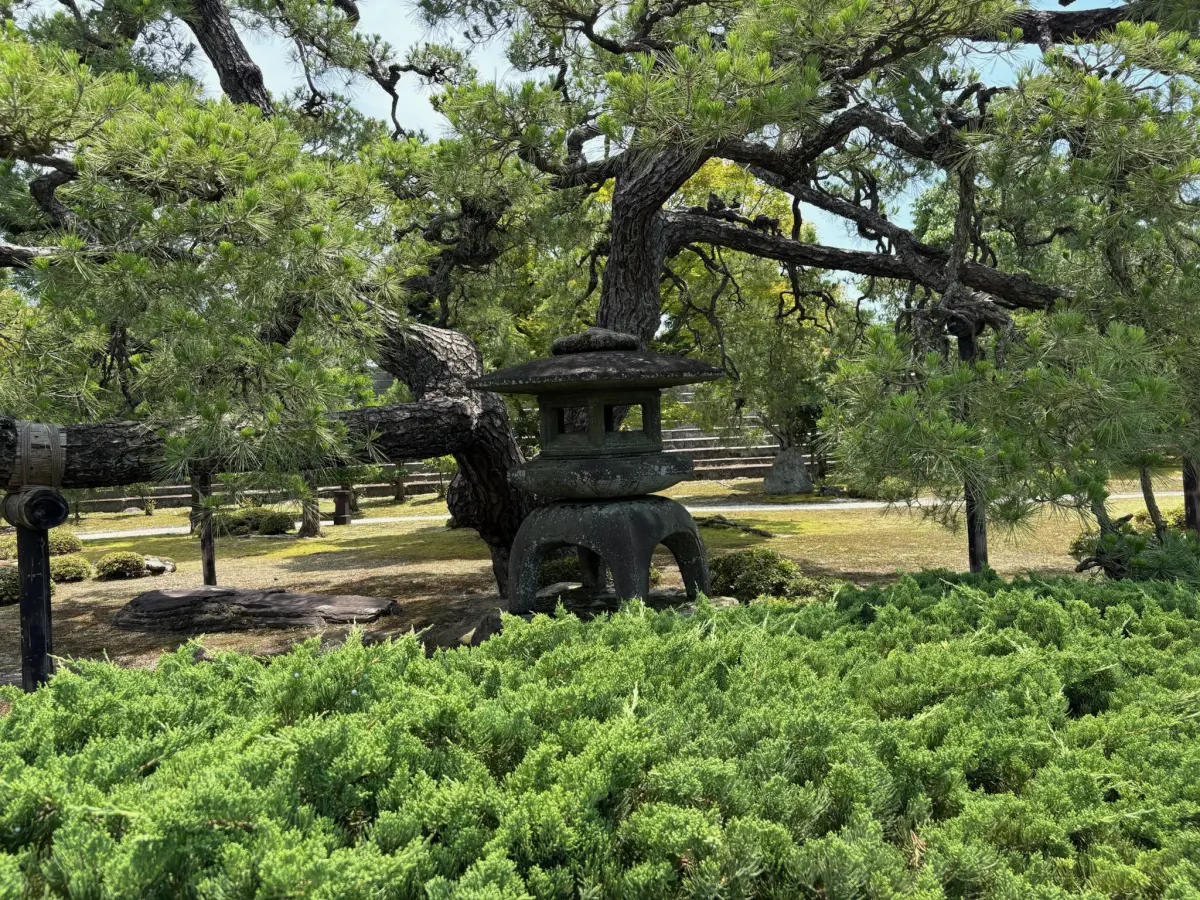
Besides the main palace, there were beautiful gardens. There is also an inner place, called Honmaru-goten, surrounded by a mote. We walked around almost all of it, but did not quite cover the outermost path around the Honmaru palace, again due to the heat.