Kyoto: Soba Lunch, Keiseki dinner
After visiting Nijo Castle, we decided to walk back to our hotel (less than a mile away) and grab a late lunch (around 2 PM) along the way. We almost didn't make it until we were very close to the hotel, where we found 701 TARESOBA KYOTO.
After visiting Nijo Castle, we decided to walk back to our hotel (less than a mile away) and grab a late lunch (around 2 PM) along the way. We almost didn’t make it until we were very close to the hotel, where we found 701 TARESOBA KYOTO (ラーメン屋) 🗾.
We had no idea what they served (beyond the remark about cold noodles, which appealed to us given the heat). TARESOBA is a type of ramen that does not rely on soup; instead, it uses cold noodles, with a sauce poured over them. The restaurant is particular about their special soy sauce, oil, white vinegar, and umami chili oil, and the golden ratio of this hearty dish goes perfectly with any topping. This turned out to be a very good find. We enjoyed yet another version of soba, or ramen, if you will. It was tasty and very refreshing.
A fifth of a mile more walking, and we were back in our air-conditioned hotel. We decided to take it easy for the rest of the afternoon and finalized arrangements for our planned Keiseki dinner. Our guide for the next two days had recommended the place, and with the help of the hotel front desk staff, we were able to finalize reservations at Kyoryori Kaji (京料理 かじ) 🗾.
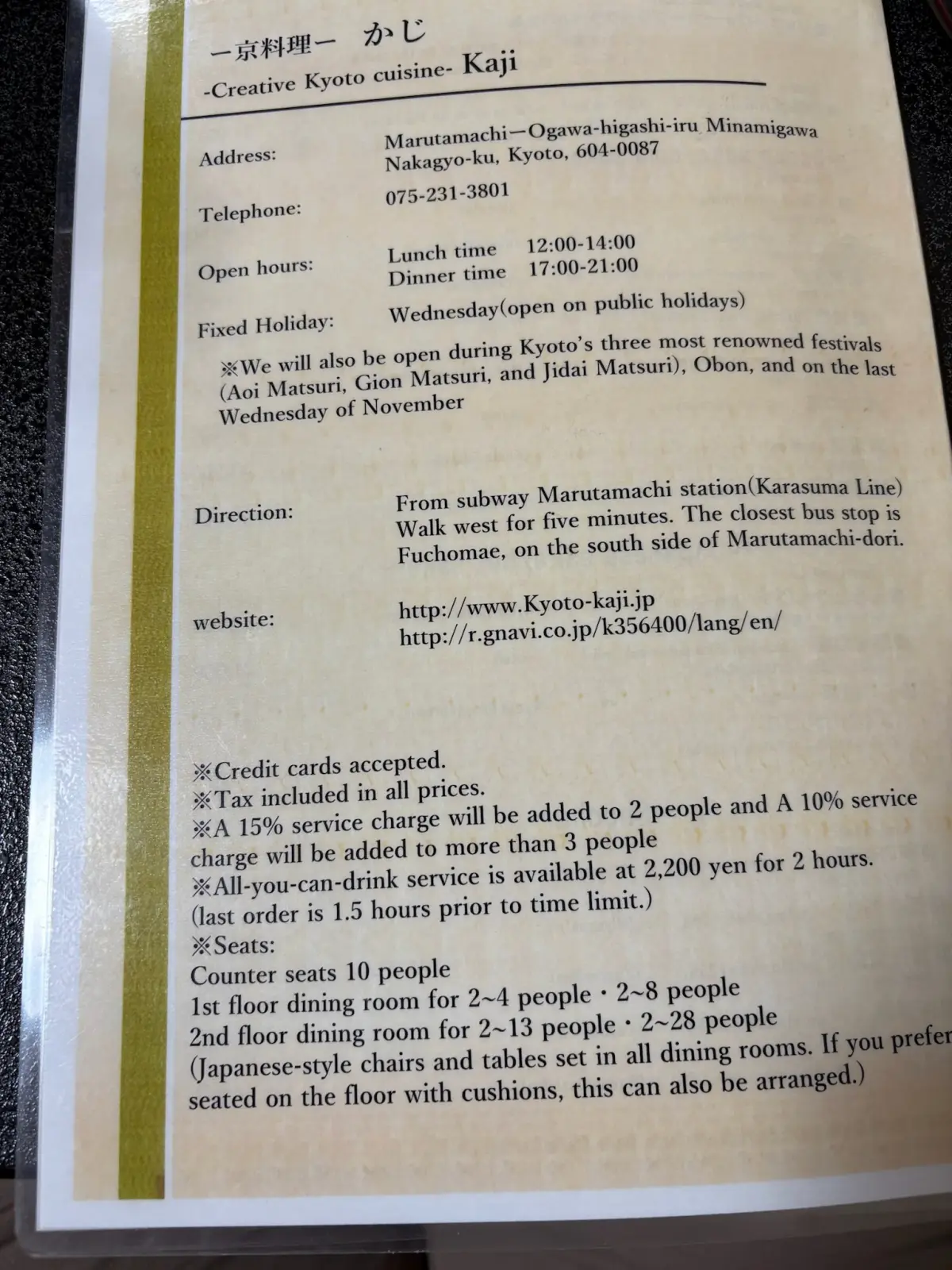
The ultimate food experience, highlighting fresh, local ingredients and presented in a stylish manner, is a Keiseki dinner. It turns out that Kaji restaurant is also recommended by the Michelin Guide. Chef Kenji Kaji owns Kaji. Kaji is perhaps best known for his appearance on the Japanese TV cooking show Iron Chef. In it, he fought Iron Chef Michiba in the umeboshi (pickled plum) battle.
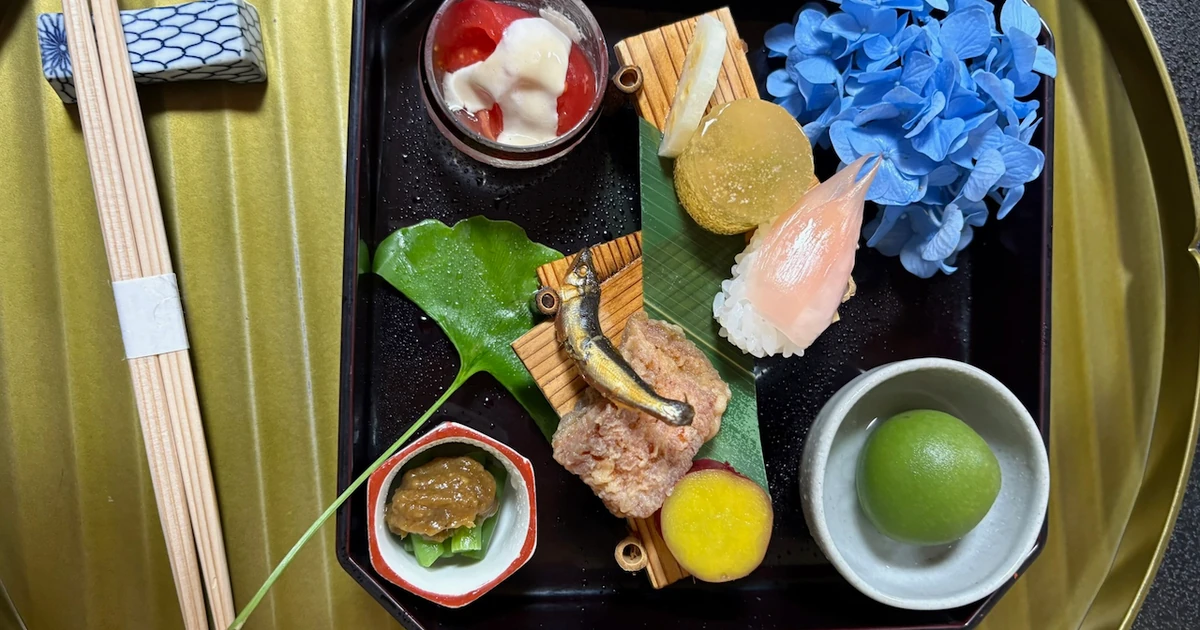
Chef Kenji served us himself and presented a dozen or so dishes. He does not speak much English, but uses a phone translator app, in which he explained each course in Japanese and then held it up to have it speak to us in English. This worked just fine. Below you will find a sampling of the various dishes (not in order).
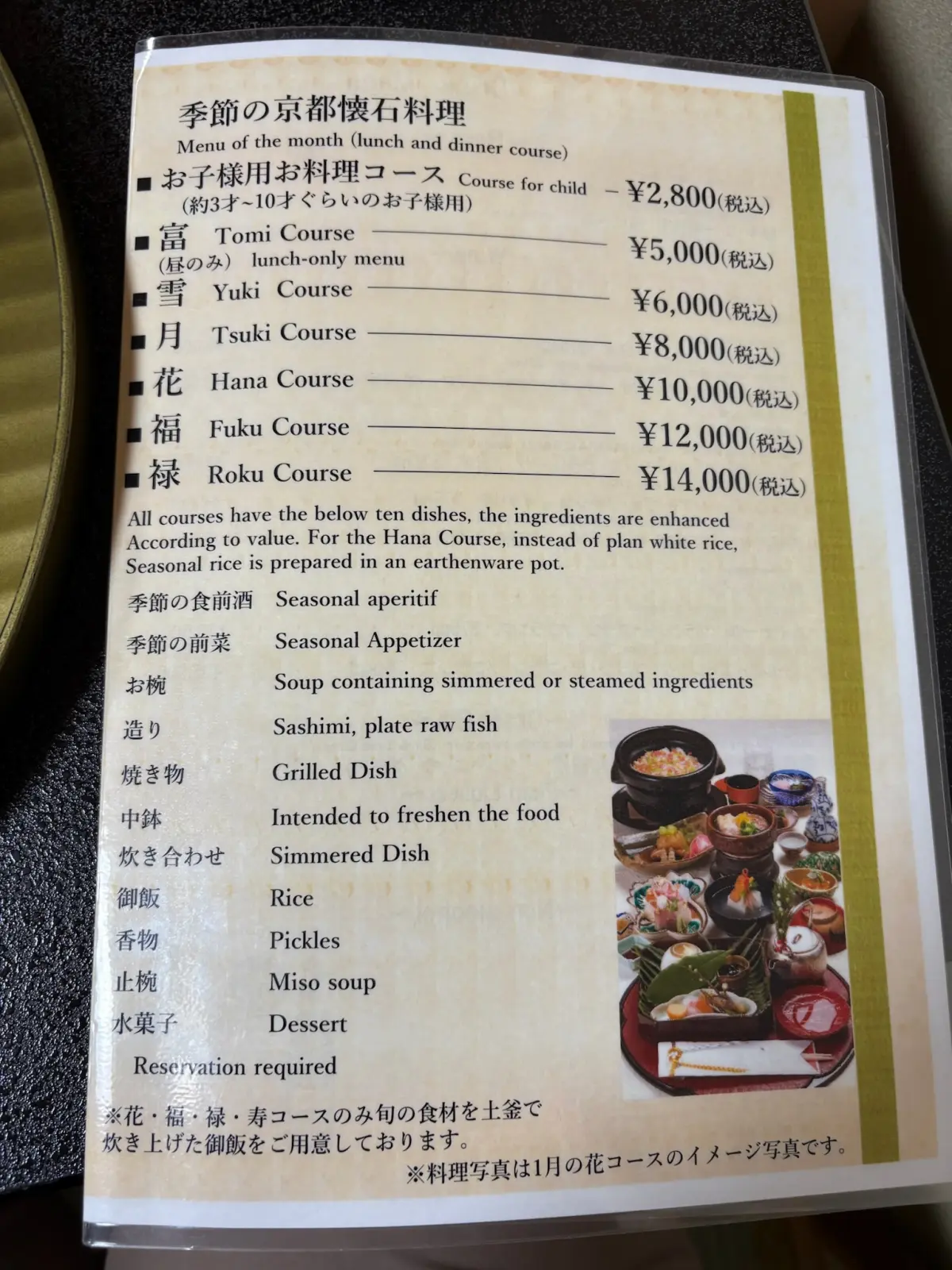
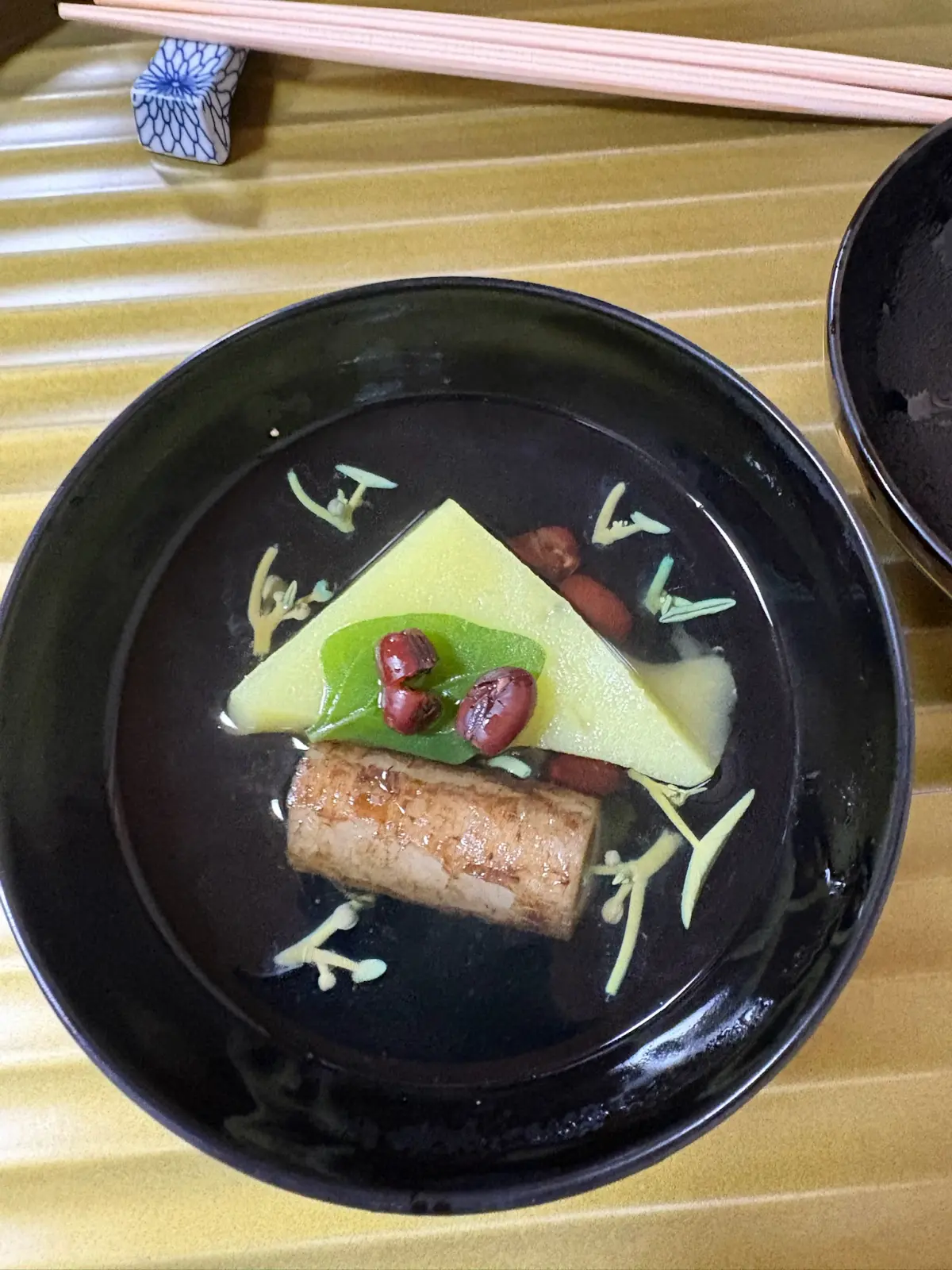
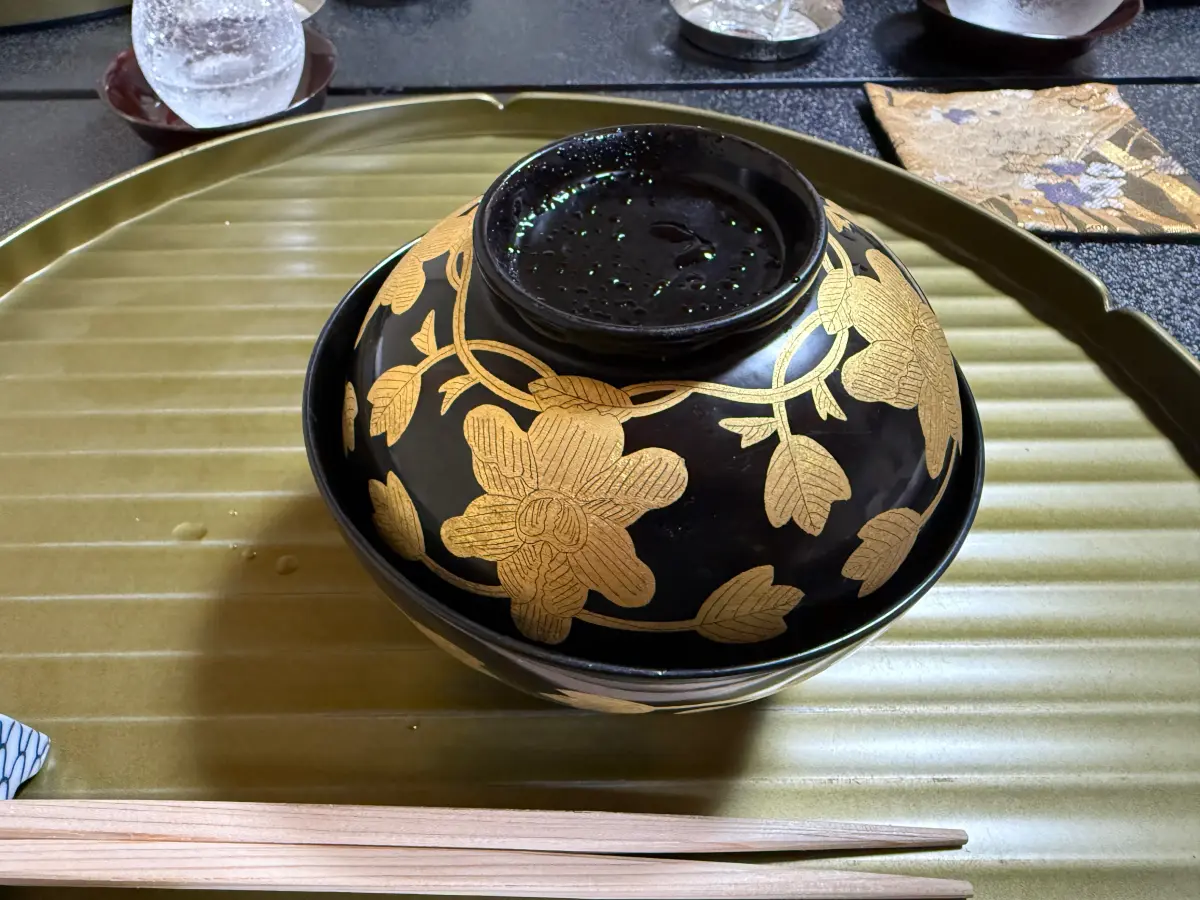
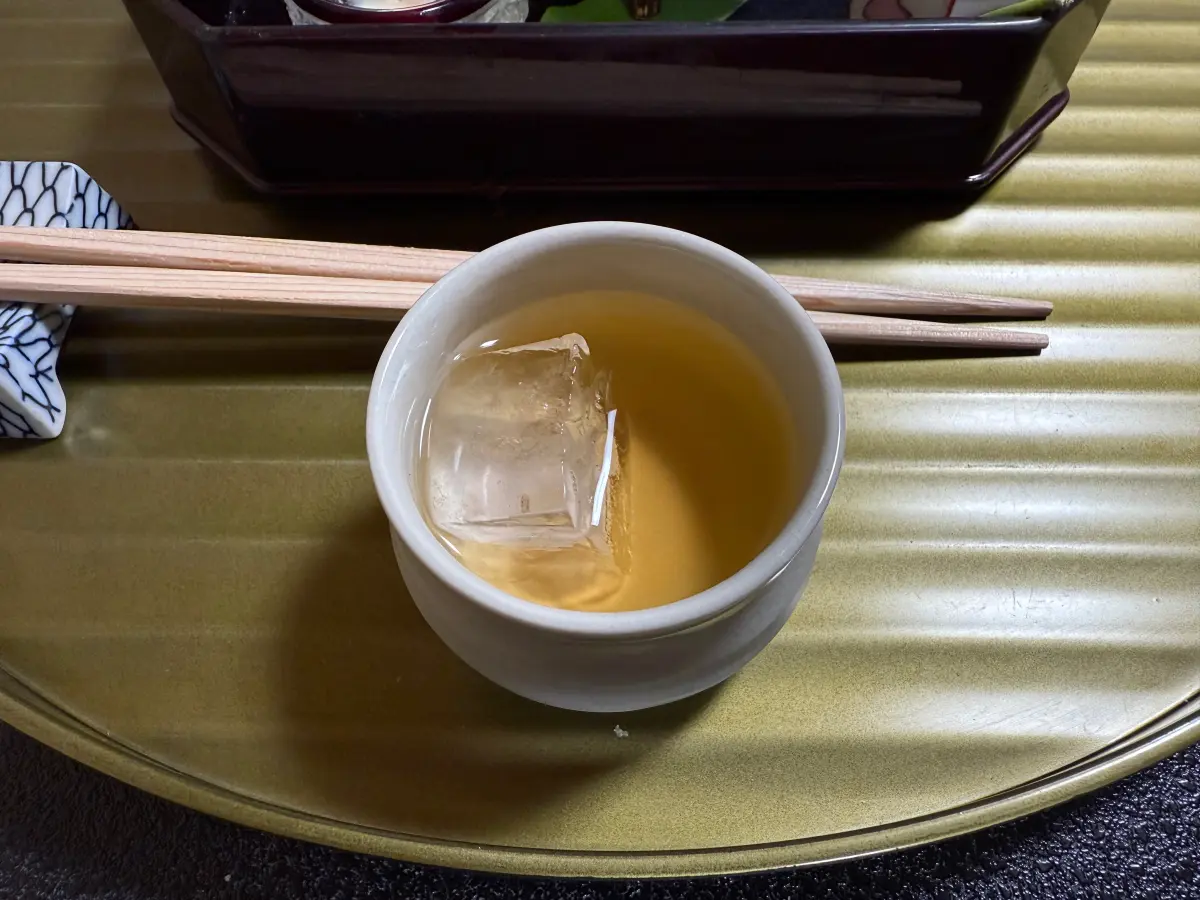
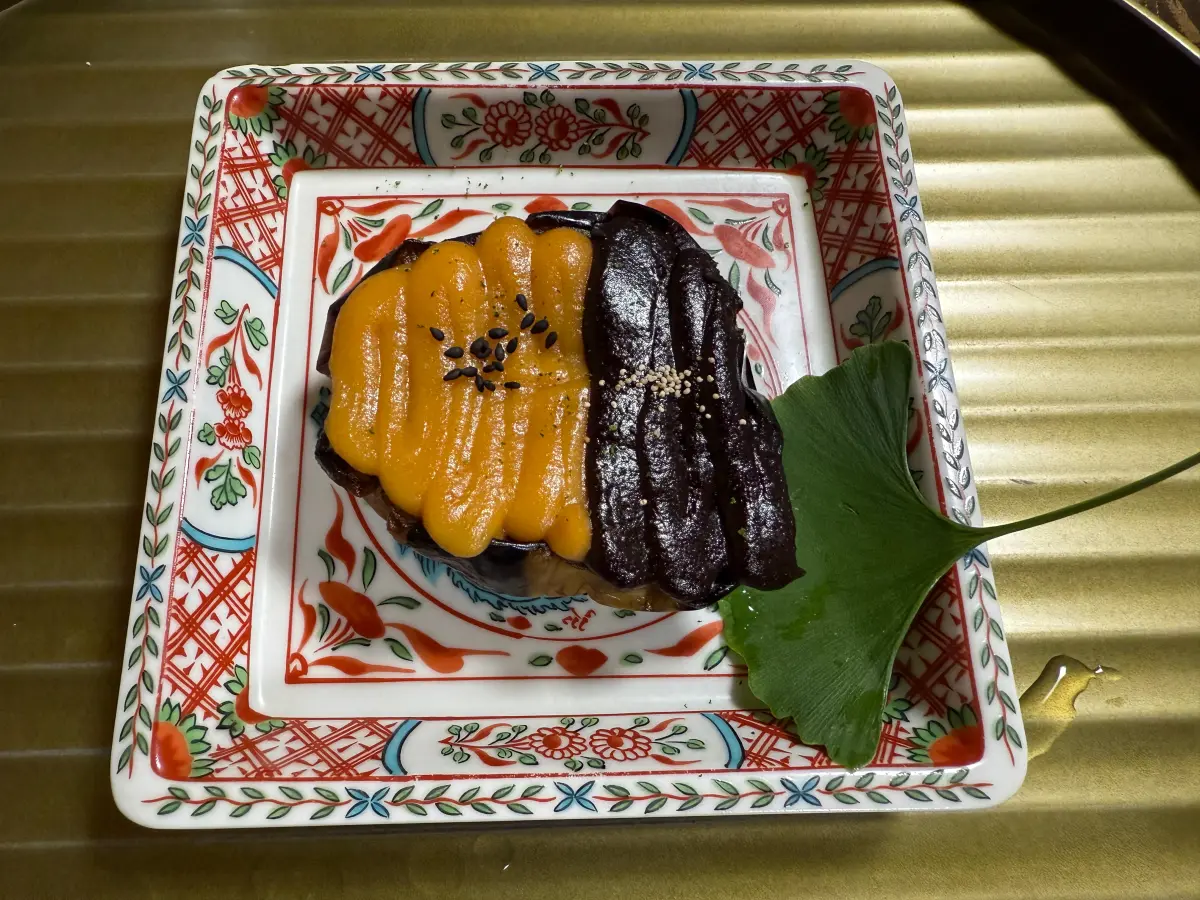
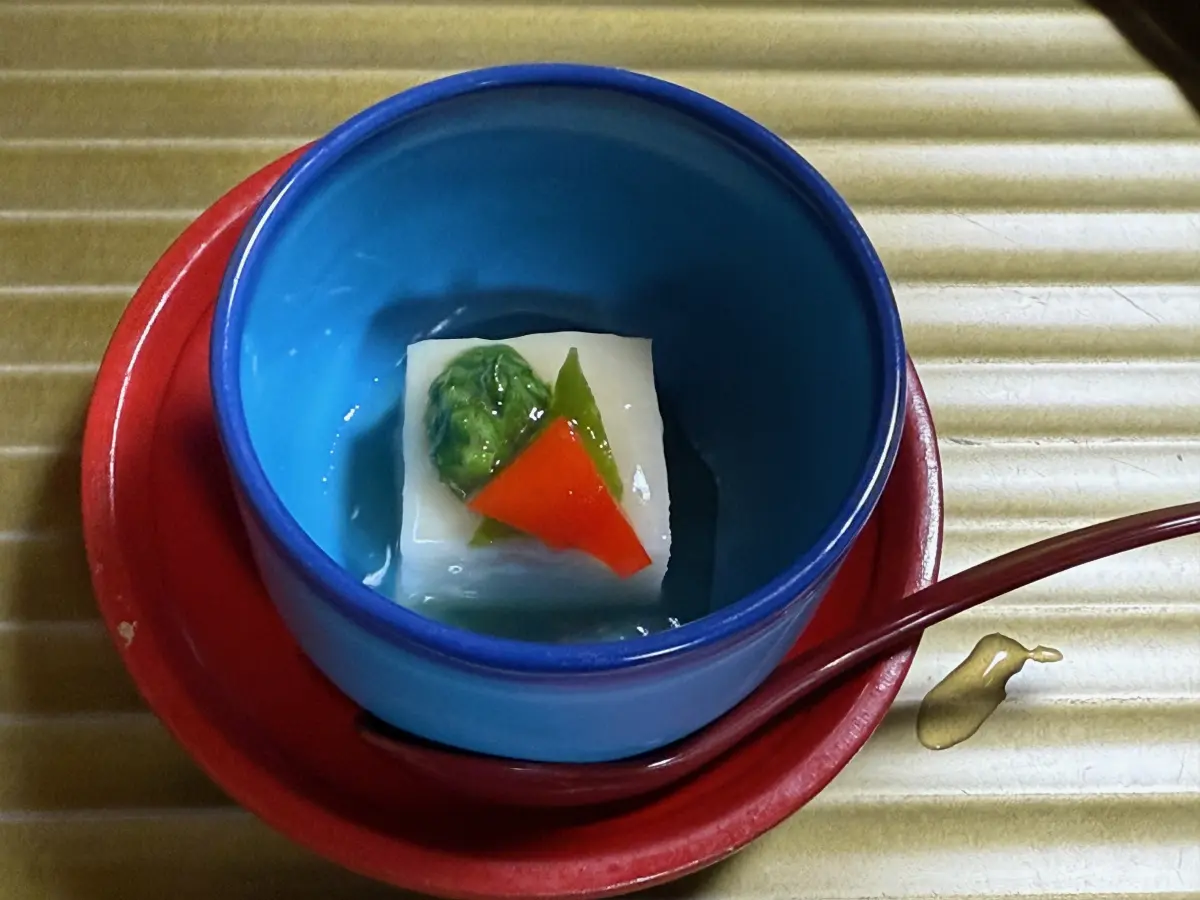
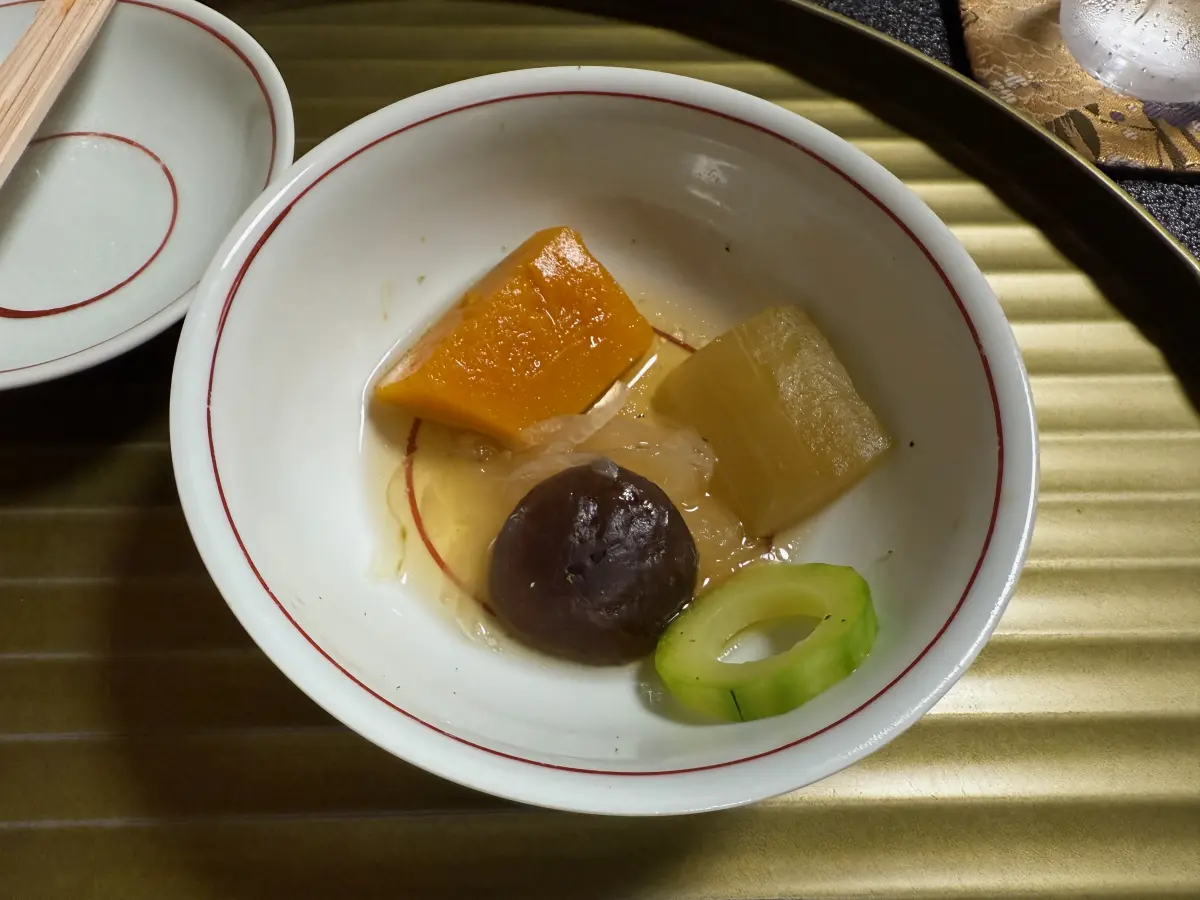
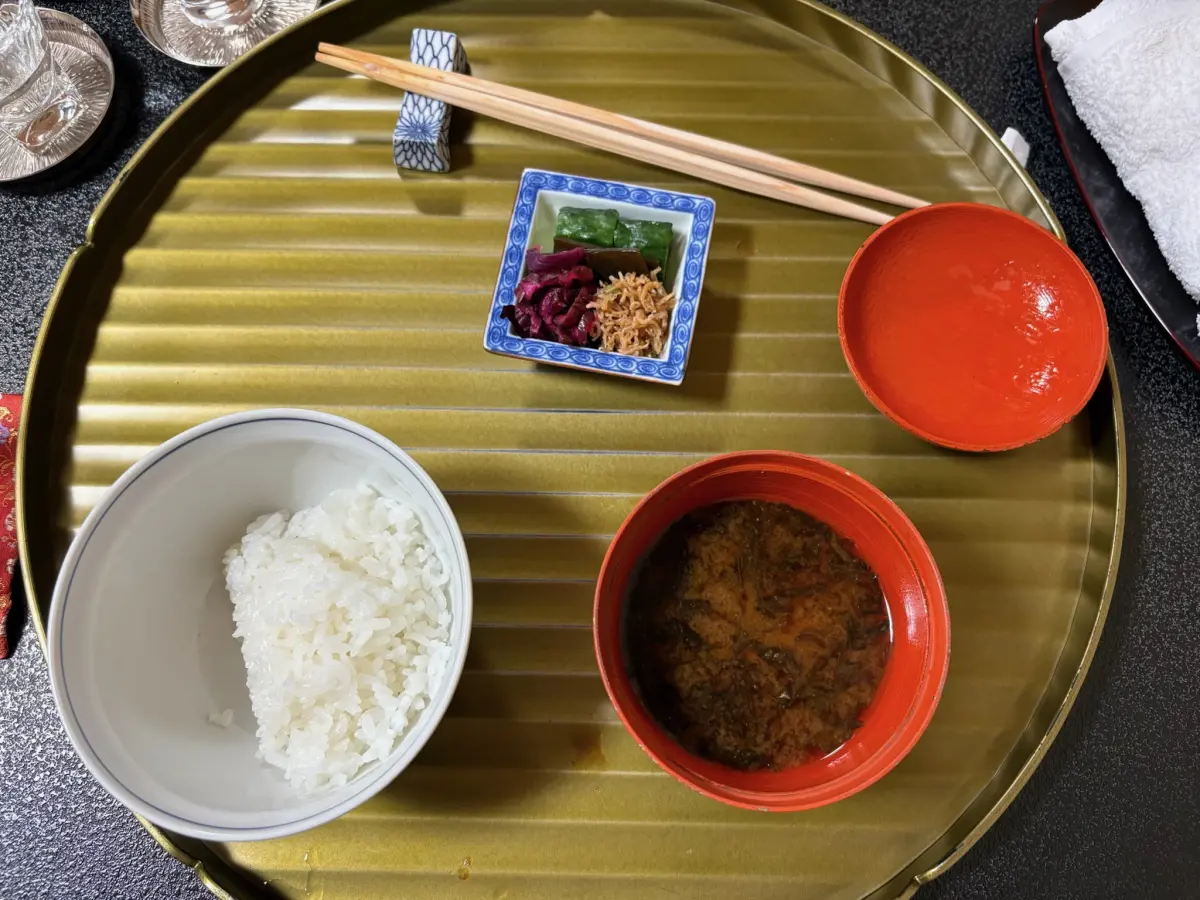
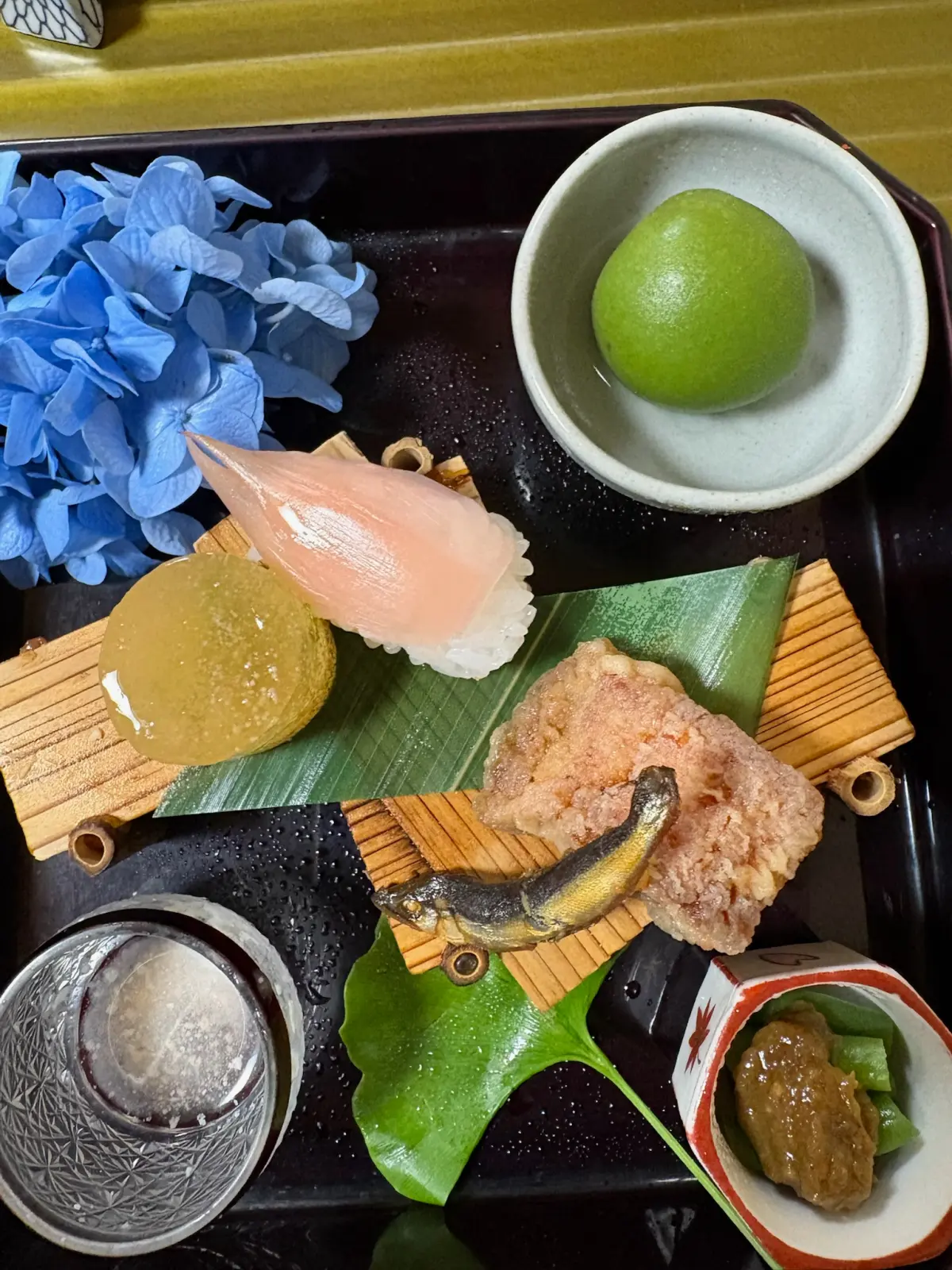
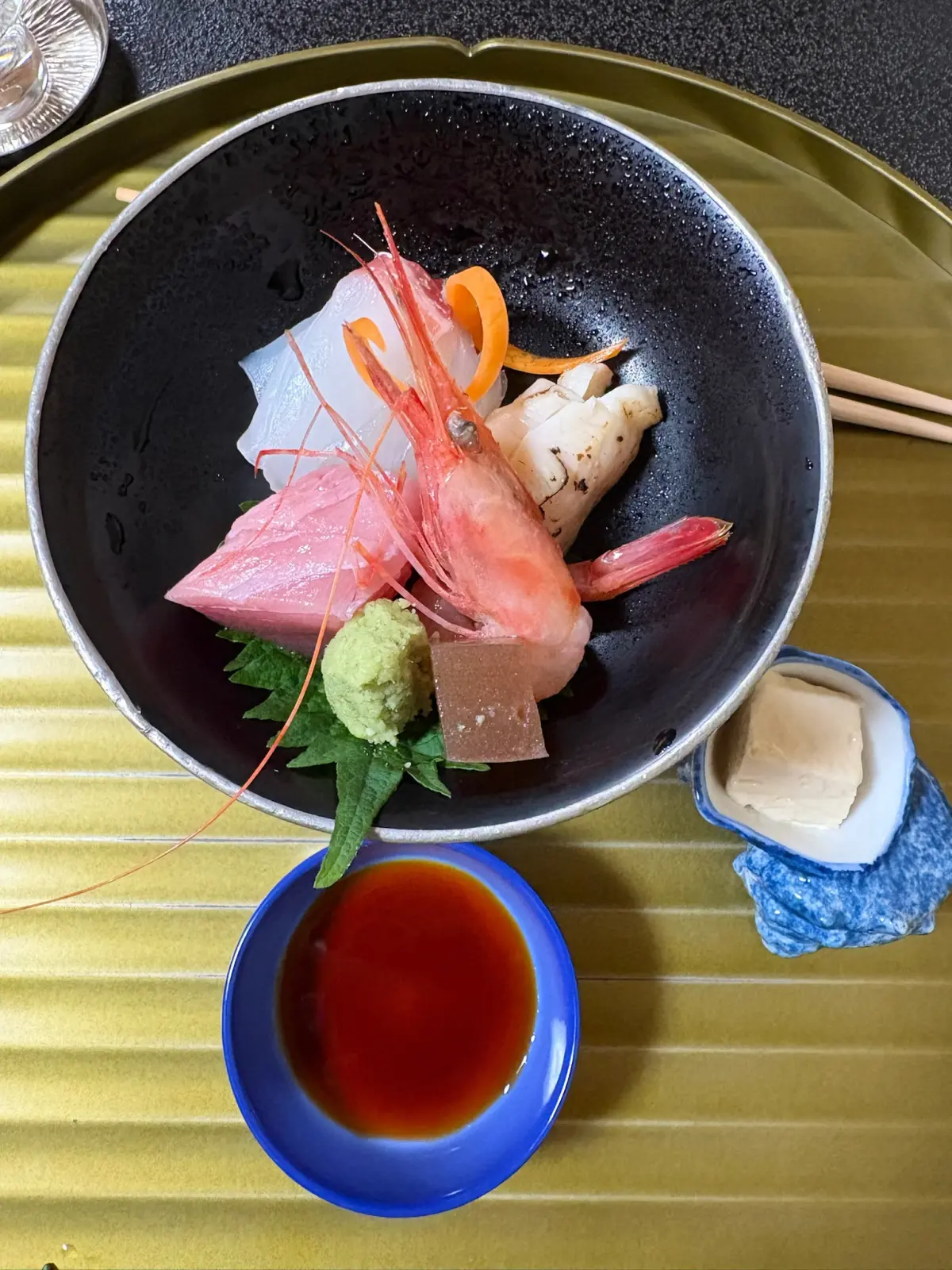
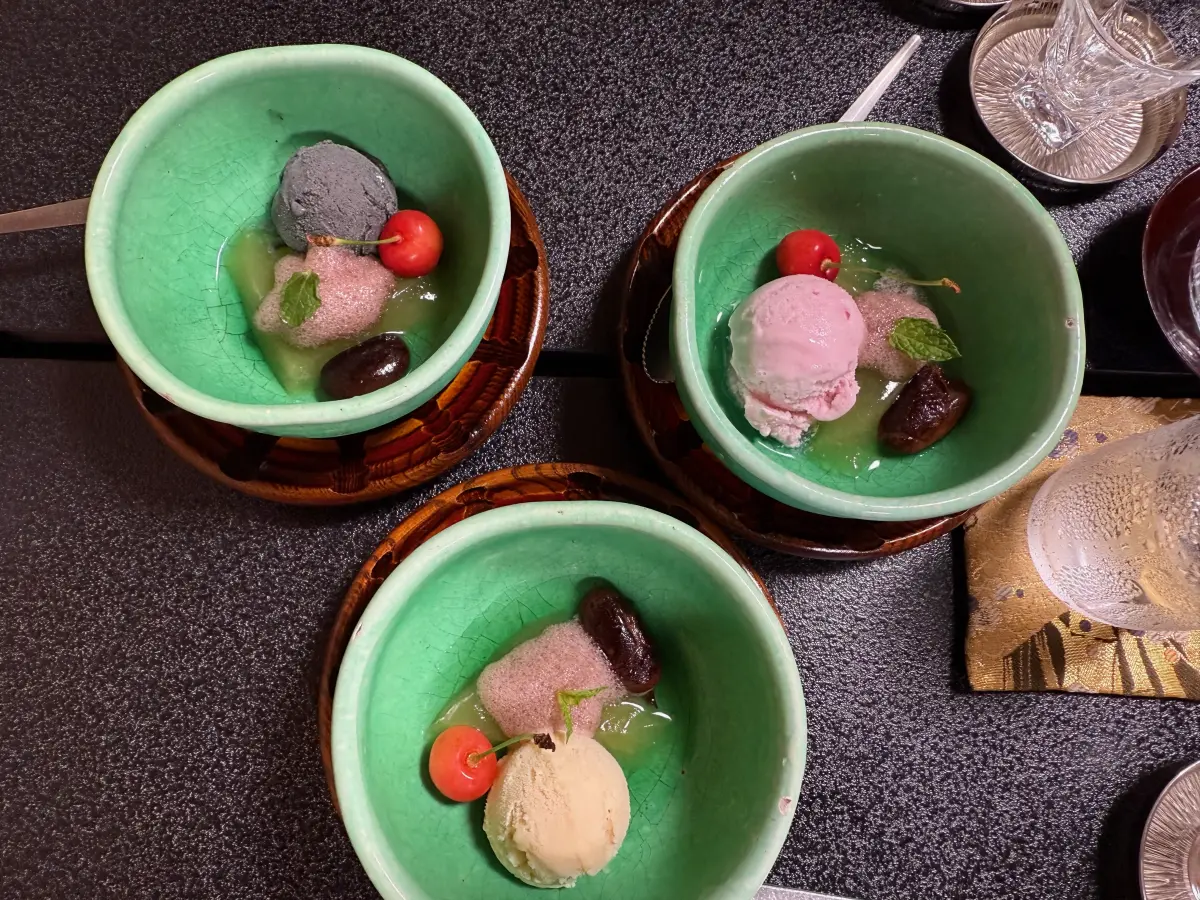
Dinner took about two hours. Many of the flavors are unfamiliar to us, and the preparation is sometimes deceptively mundane, but the resulting flavors are often exquisite. Each dish, and in fact each component in each dish, is very skillfully and artfully presented. A visit to Japan should include at least one Keiseki dinner, and it doesn’t have to cost a fortune (ours was about US$ 80 per person).