Kyoto: Kinkaku-ji (Golden Pavilion)
Our next stop, about 15 minutes away, was Kinkaku-ji, also known as the "Temple of the Golden Pavilion. " Officially named Rokuon-ji (鹿苑寺), or "Deer Garden Temple," it is a Zen Buddhist temple that began as a villa belonging to the powerful statesman Saionji Kintsune, dating back to 1397.
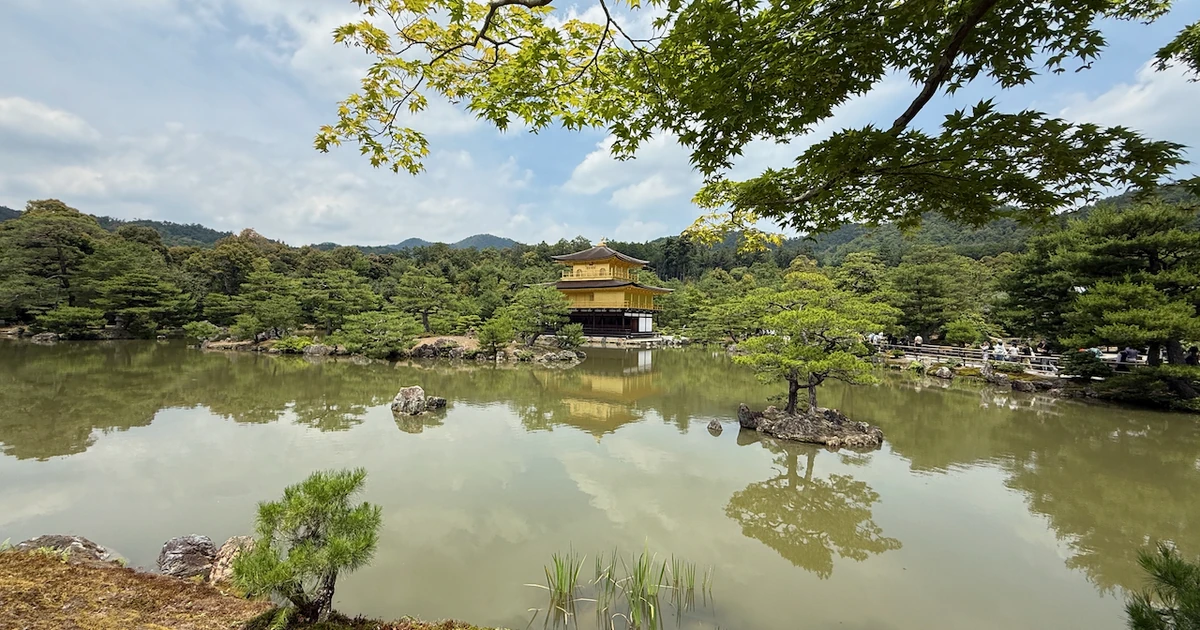
Our next stop, about 15 minutes away, was Kinkaku-ji (金閣寺) 🗾, also known as the “Temple of the Golden Pavilion.” Officially named Rokuon-ji (鹿苑寺), or “Deer Garden Temple,” it is a Zen Buddhist temple that began as a villa belonging to the powerful statesman Saionji Kintsune, dating back to 1397.
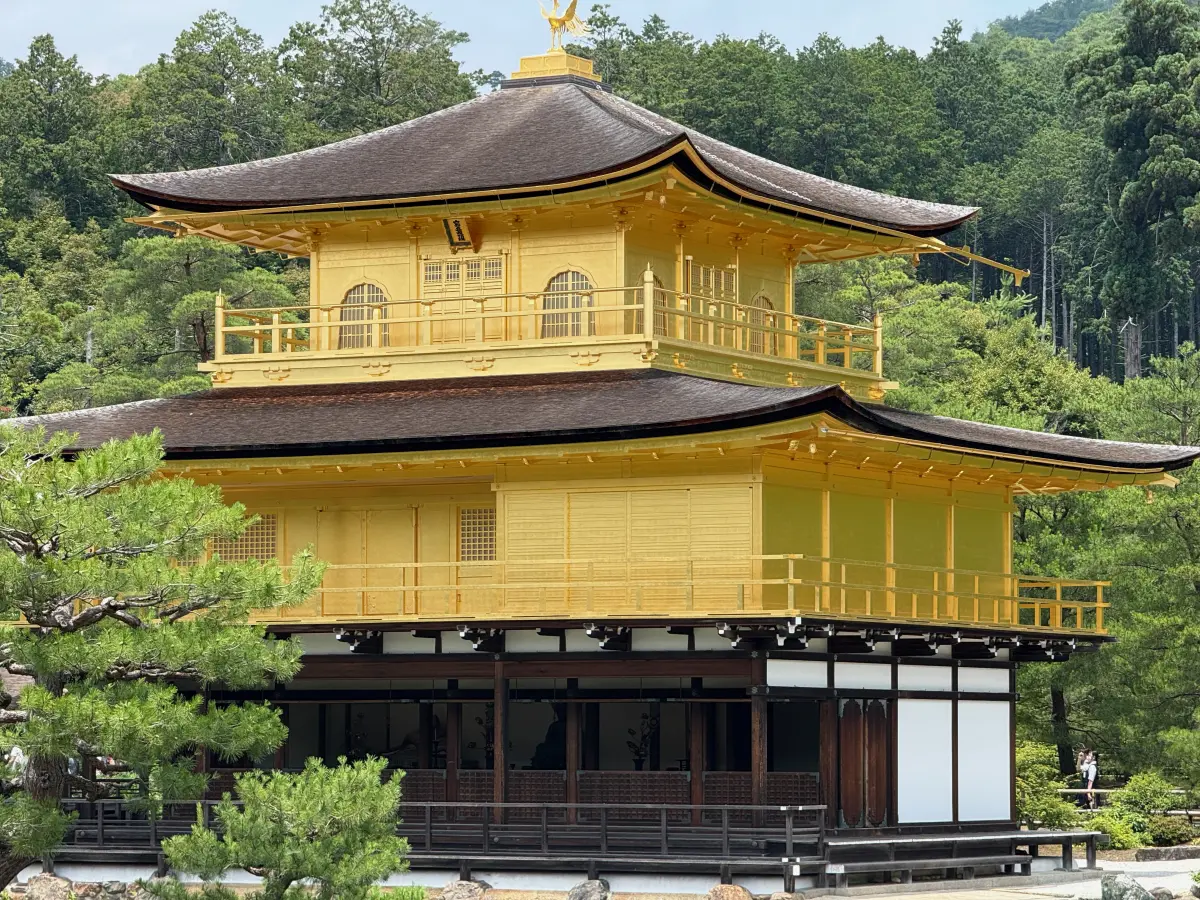
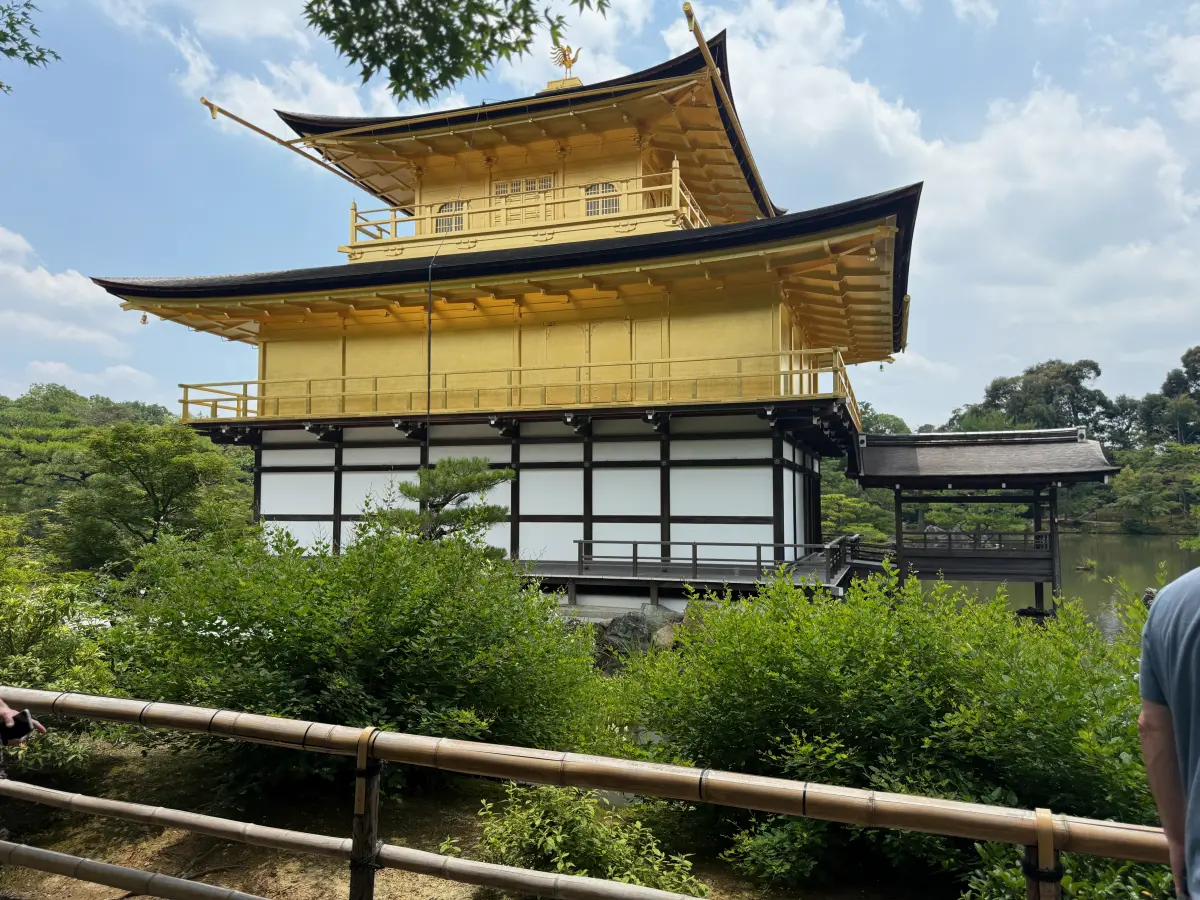
First constructed in 1399, the gold was intended to mitigate and purify any pollution or negative thoughts and feelings towards death. The present structure dates to 1955, when it was rebuilt after a mentally ill young monk had set fire to the original and burned it down.
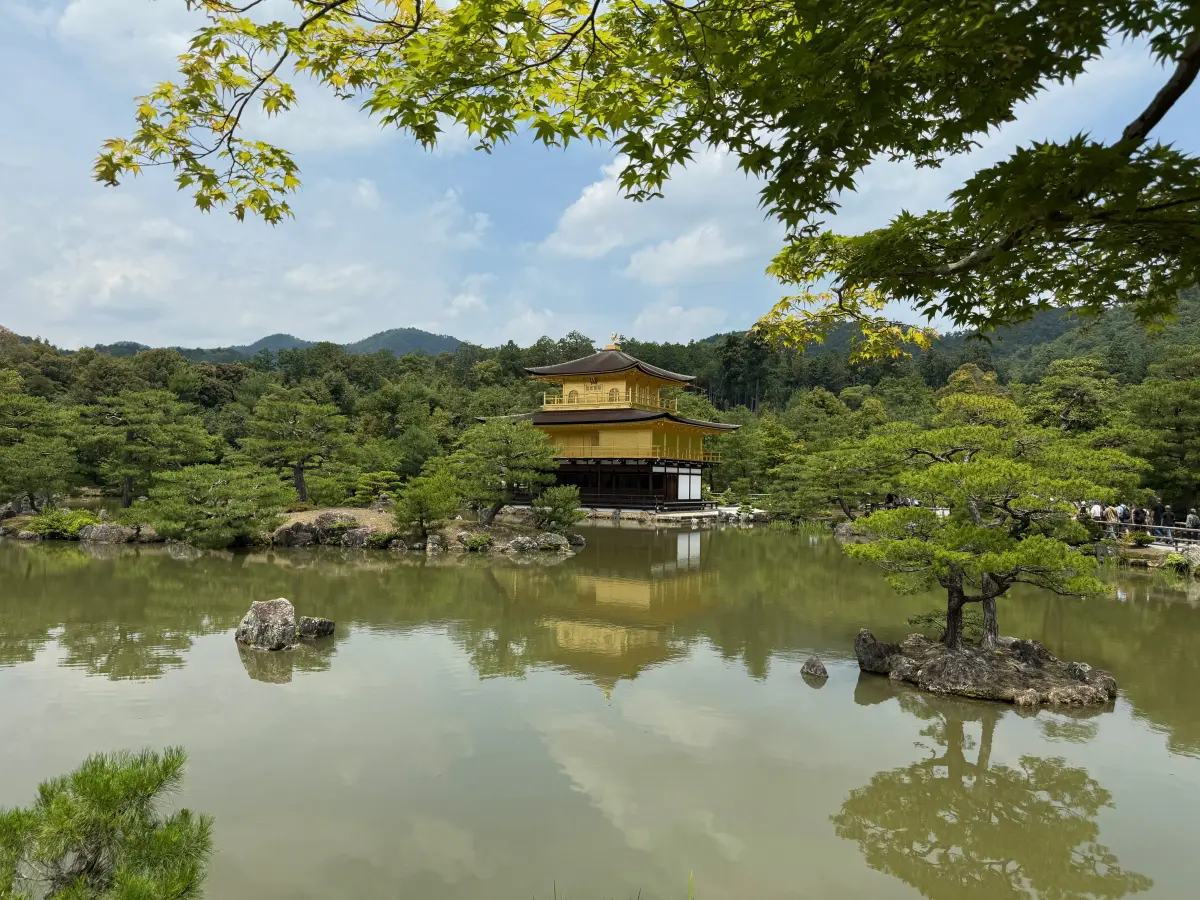
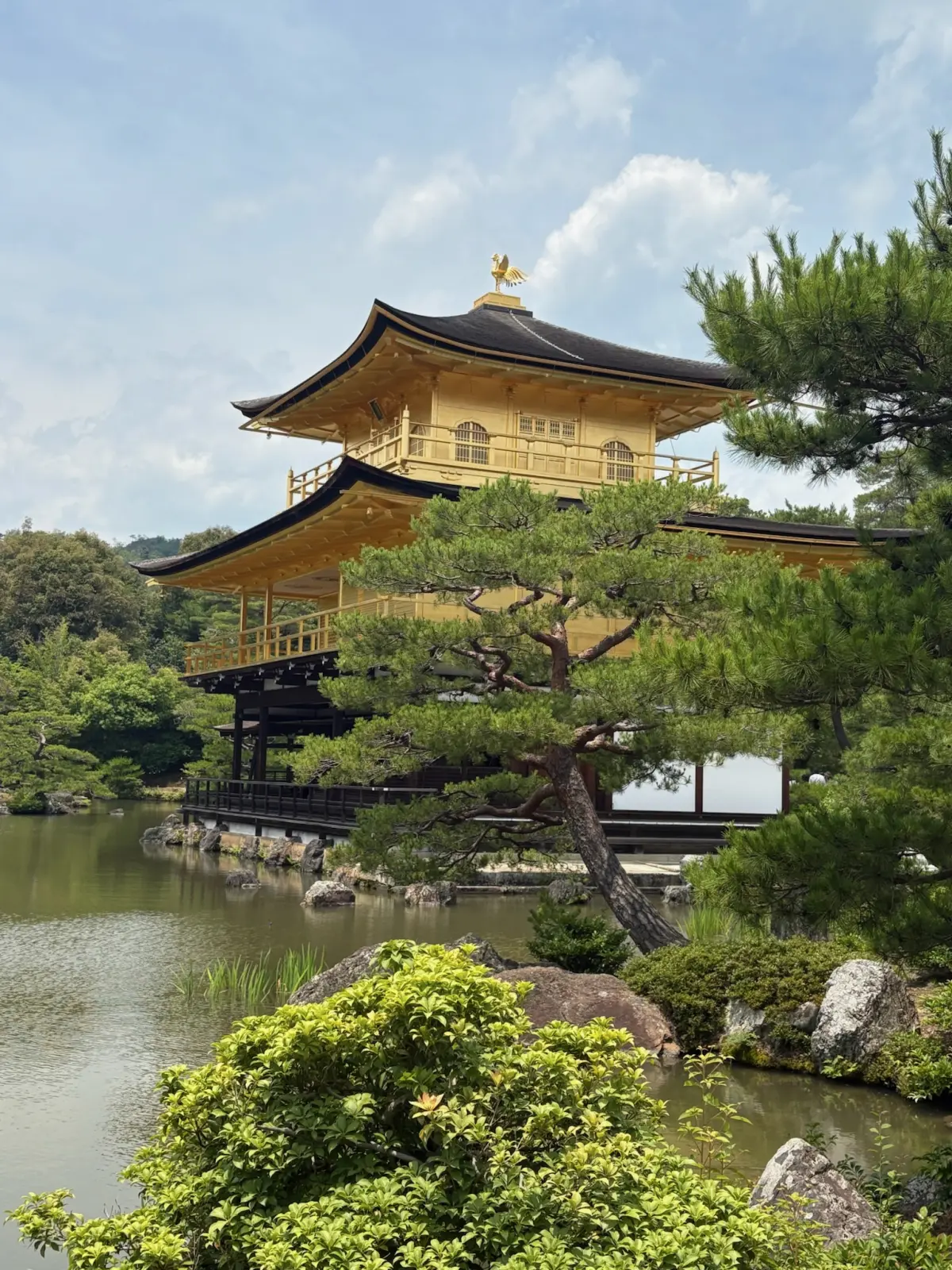
Ginkaku-ji (銀閣寺) 🗾, which we visited earlier was modelled after this building. The same is true for Shōkoku-ji, which we did not visit.
The building has three floors, with the top two covered with pure gold leaf. The 0.5 µm-thick gold leaf covering weighs a total of 20 kg (today’s value is about 3.25 million US$). The pavilion houses relics of the Buddha (ashes). The three floors are in three different architectural styles. The first floor is in shinden-zukuri style, dating to the 11th century. The second floor has the buke-zukuri or warrior-aristocrat style. The third floor is built using the Chinese chán (Jpn. zen) style, also known as zenshū-butsuden-zukuri.
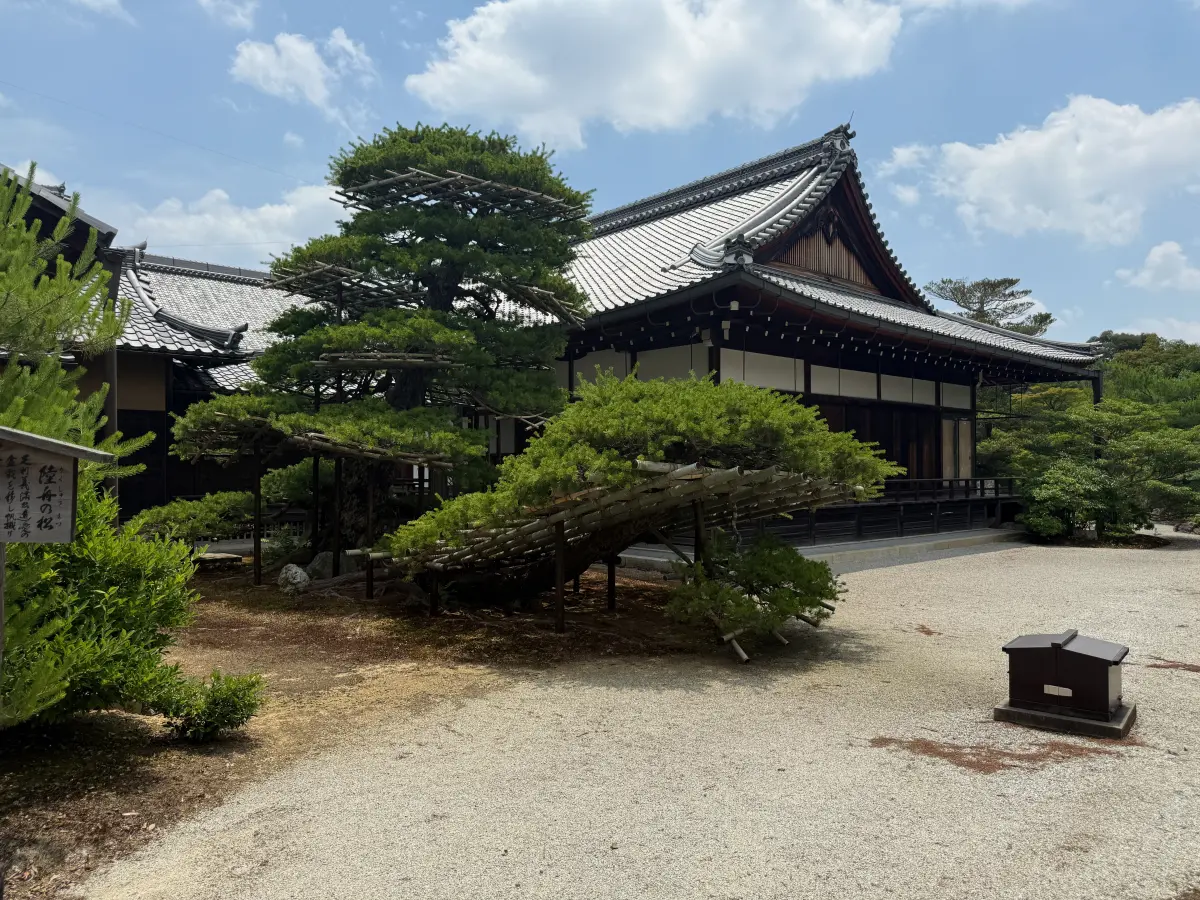
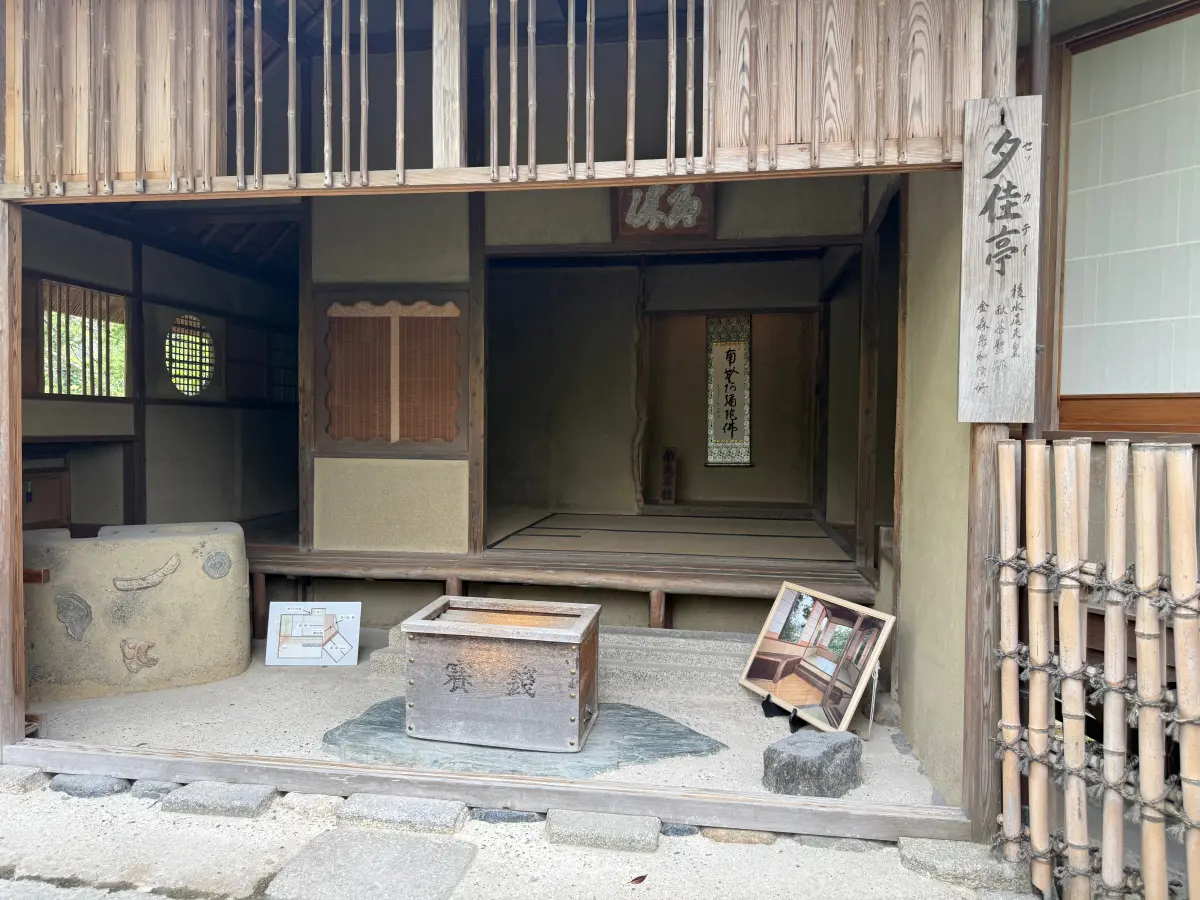
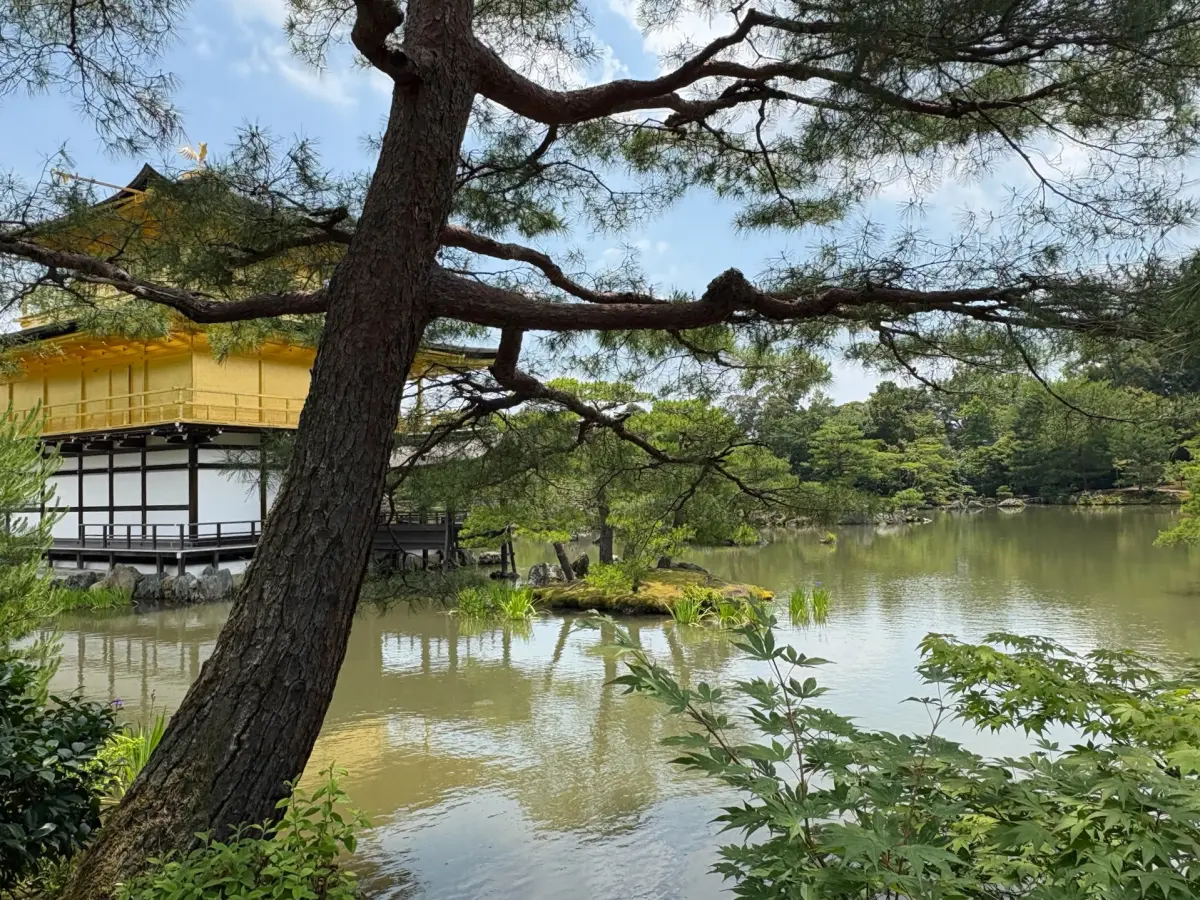
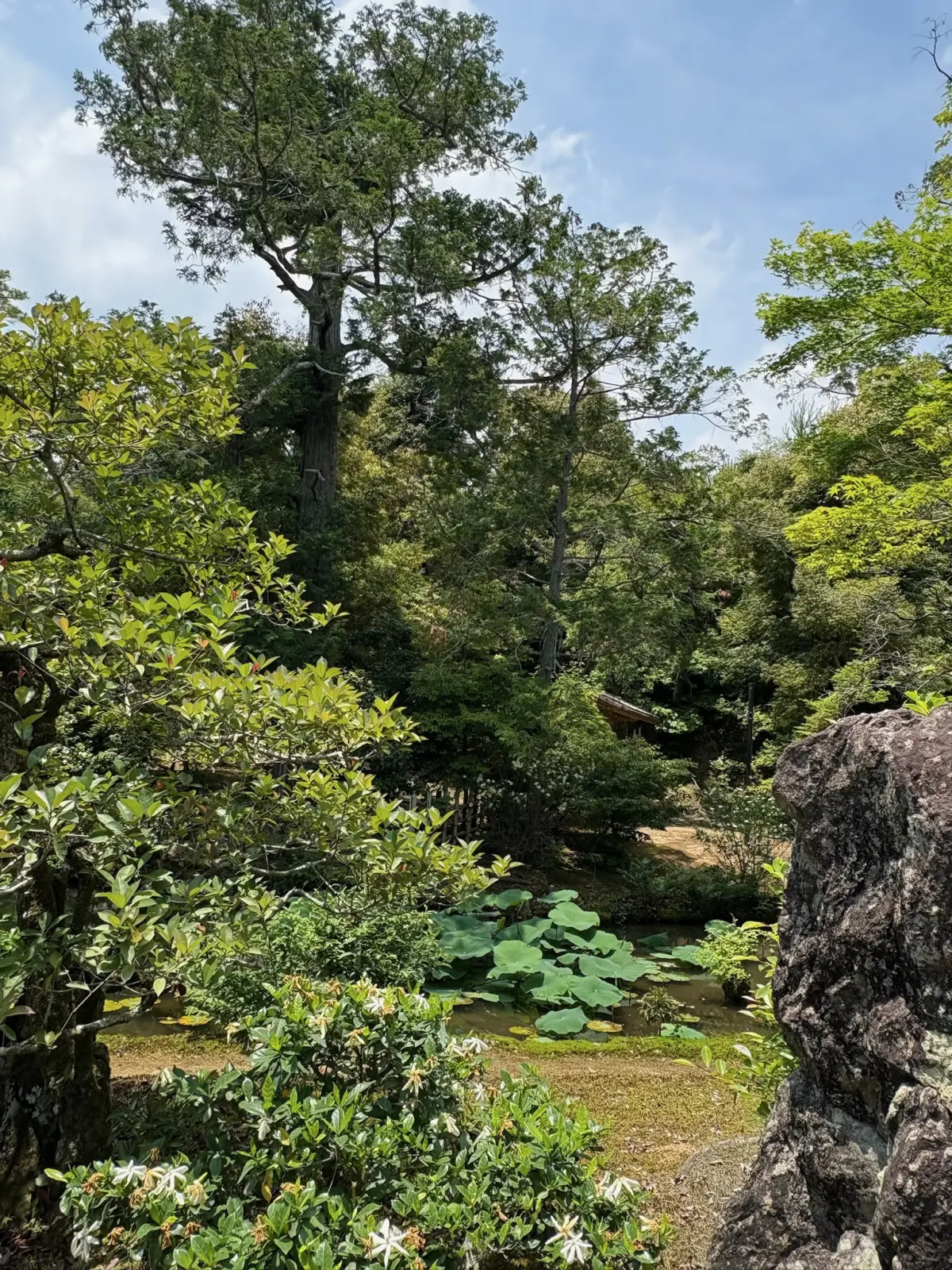
As with many other historical places and buildings, the pavilion is located on extensive grounds with a lake and beautiful strolling gardens. We found a little café with outdoor tables, where we enjoyed a cup of tea before moving on.
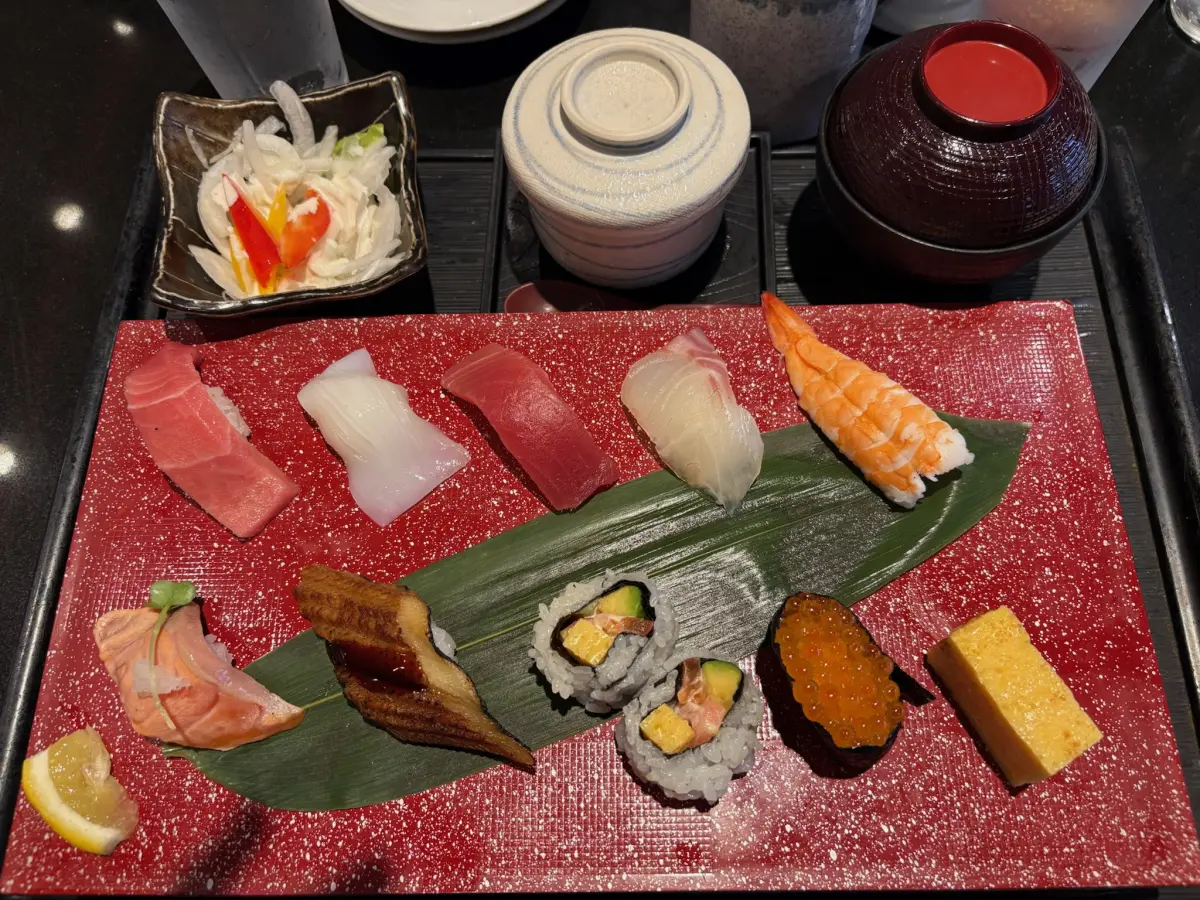
Taka took us to have sushi for lunch at Nigiri Chojiro - Kitayama Shichiku (にぎり長次郎 北山紫竹店) 🗾, about 10 minutes away.