Hakone: Travel and Ryokan, Onsen Experience
Today was the day to travel to Hakone, and get settled in our Ryokan and, perhaps, get some time in an Onsen.
After another breakfast, earlier this time, we checked out and walked to Namba Station (難波駅) 🗾. This time, we knew where to go, so this was the easiest option. It is only a third of a mile walk. We took the Midōsuji Line (御堂筋線) for 7 stops to Shin-Ōsaka Station (新大阪駅) 🗾 where we transferred to the 10:18 AM Tokaido Shinkansen Hikari 646 Hikari Tokyo.
Five stops later, in about 2 hours and 20 minutes, we got off at Odawara Station. From there, a 12-mile ride in an arranged private car took us to Hakone in the mountains. We were dropped off at our Ryokan for the next two nights: Tensui Saryo (天翠茶寮) 🗾. It was too early to check in, so we dropped our luggage with the staff and went across the street to Tensui Saryo (天翠茶寮) 🗾 for some coffee and a pastry. This is a coffee shop with good coffee, pastries, simple sandwiches, and a modern vibe.
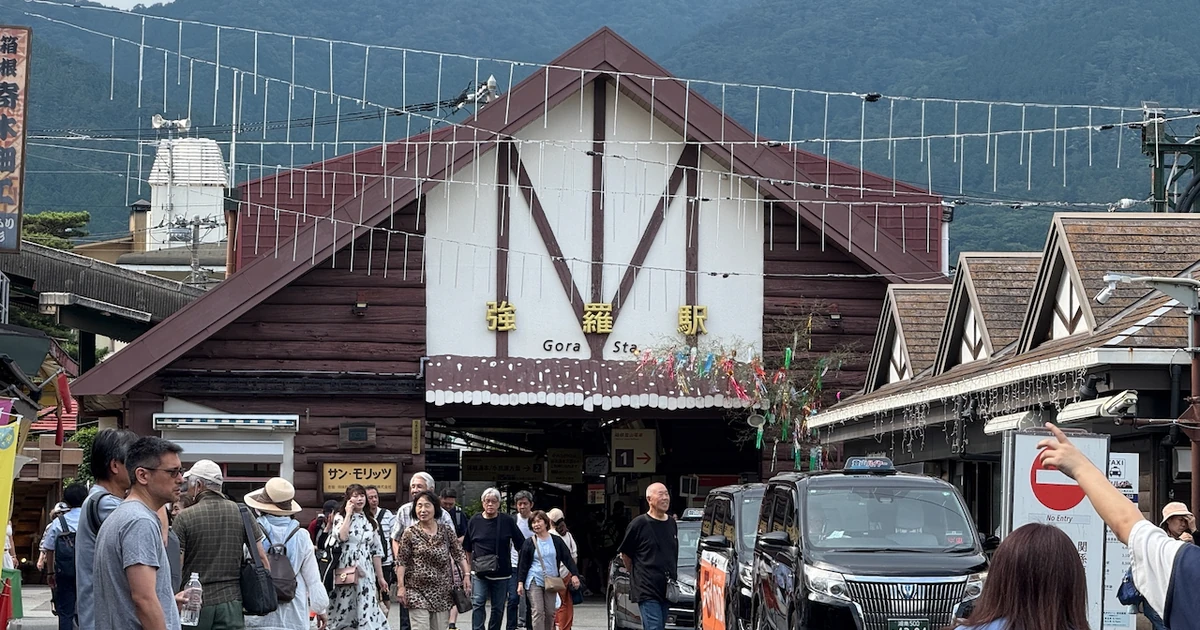
After that, we walked to the very nearby Gōra Station (強羅駅) 🗾 and explored some shops and the area around it, before returning to check in and relax in our rooms.
Tensui Saryo Ryokan
At check-in, we also picked up our Hakone Freepass, giving us unlimited access to transportation in the region, including ropeways, cable cars, buses, and more. It also provided a discount for the train ride back to Tokyo. We would use this for the next two days (the pass is valid for three days).
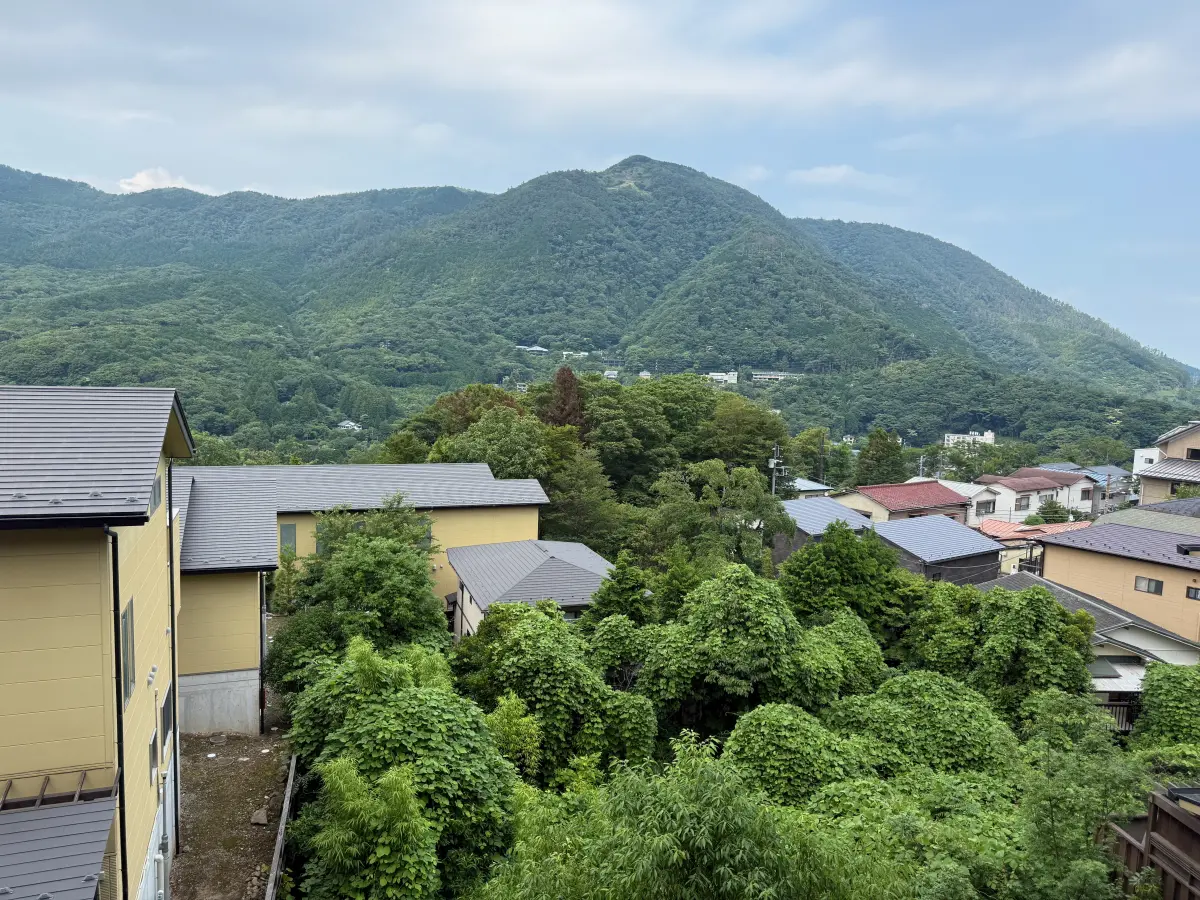
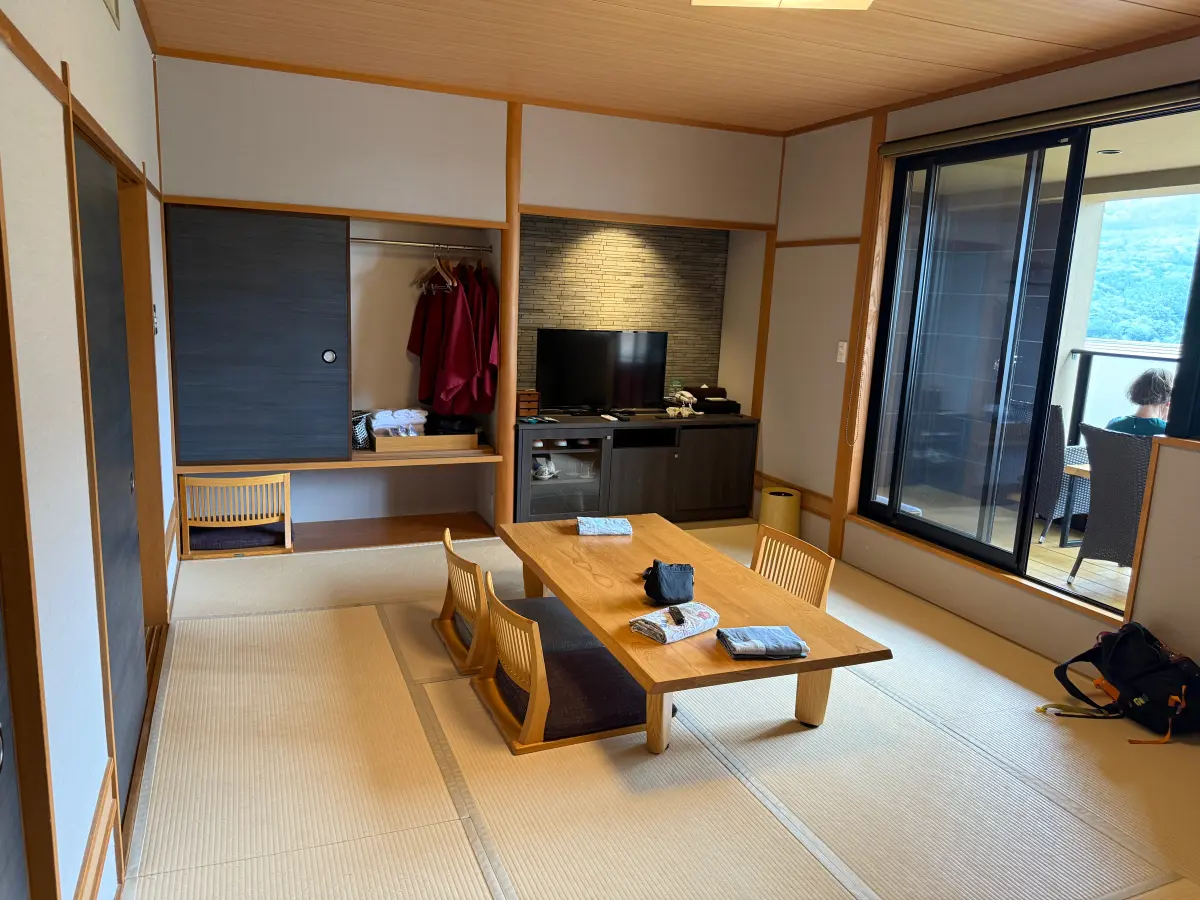
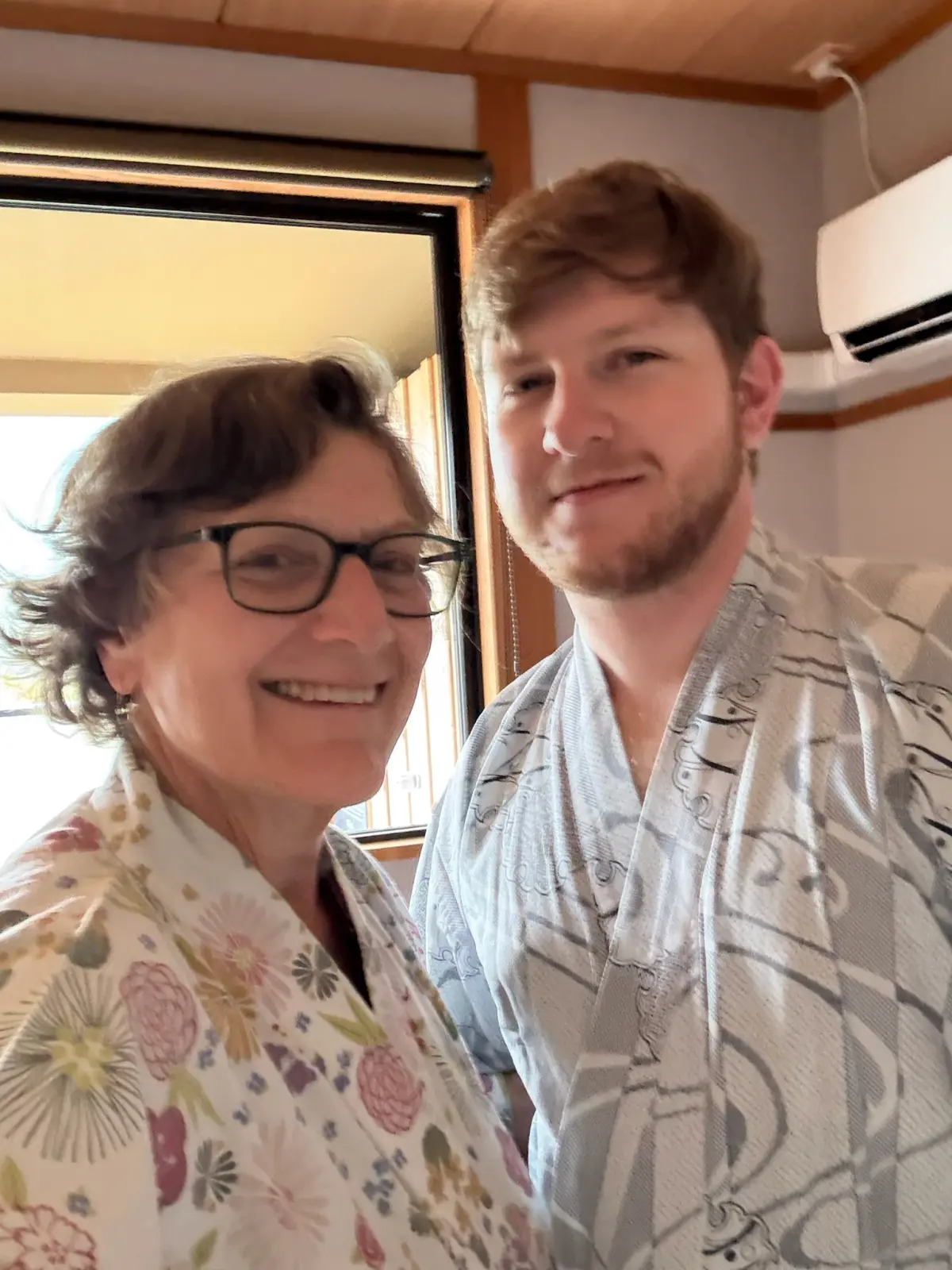
A ryokan (旅館) is a type of traditional Japanese inn that typically features tatami-matted rooms, communal baths ([Onsen(https://en.wikipedia.org/wiki/Onsen)]), and other public areas where visitors may wear nemaki. A nemaki (ねまき), meaning sleepwear, is a tube-sleeved, unisex Japanese robe worn by guests at traditional ryokan inns, hot spring resorts, and spas. It is similar to the yukata in appearance, differing in its unisex sleeve construction, and is typically worn with a thin, unisex obi.
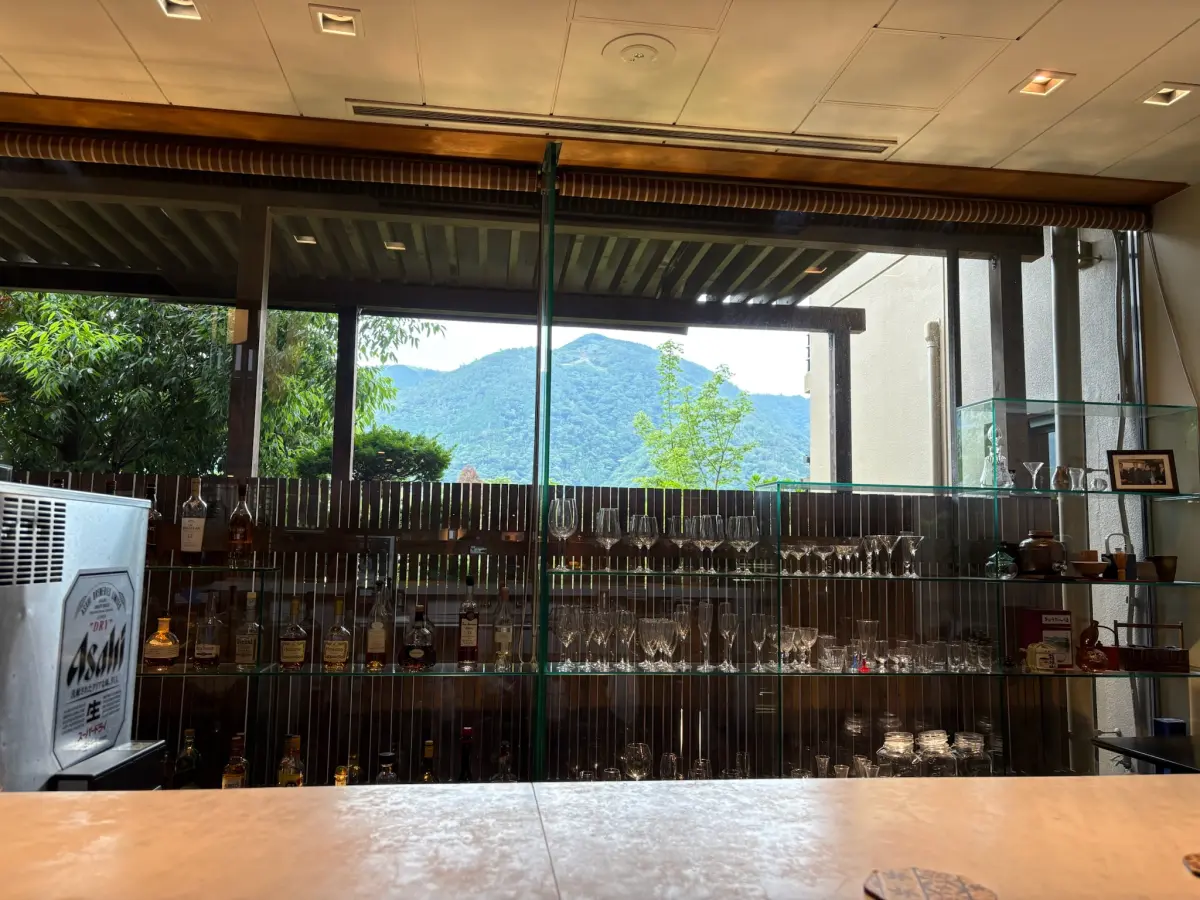
Besides wanting to experience this form of hospitality, we also wanted a more relaxed atmosphere towards the end of our trip, before diving back into Tokyo’s hustle and bustle for the last two days. We changed into a nemaki (there is a large collection in the lobby that you pick one from), and slippers, and went downstairs to the bar for a welcome drink.
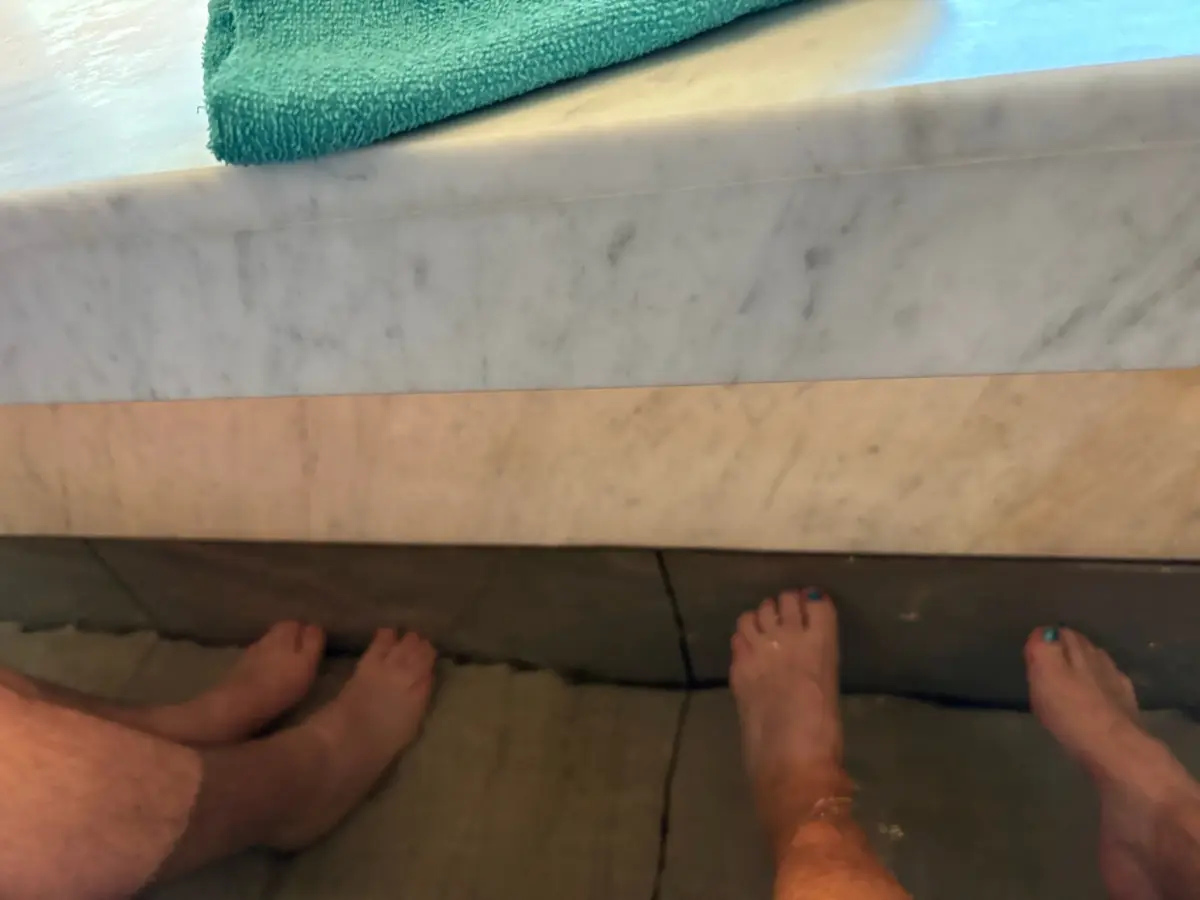
The bar is interesting in that it has tatami-style seating, but not on a tatami mat. The ground is tiled. The seat sits right on top, and where your feet go is a warm/hot water bath. You can relax your feet and lower legs while having that drink!
Onsen
Onsen refers to hot springs, the bathing facilities, and the traditional inns around them. Properties such as the water’s temperature, pressure, and mineral composition are said to provide various health benefits. There are many ways to experience onsen, but the most common are daiyokujō (large public baths) and rotenburo (outdoor baths).
Tensui Saryo has hot-spring-fed baths, but no bathing facility, often seen in documentaries, where you sit outside in the actual spring, in the middle of nature. Traditionally, a mixed sex bathing experience, fully naked (swimsuits not allowed), since the Meiji Restoration, there has been a strict segregation in public baths. Of course, private onsen do not have this restriction.
There is a strict etiquette expected when using a public onsen. Over half of the onsen do not allow guests with tattoos. This regulation finds its origins in trying to keep out yakuza (organized crime gang members), who typically have full-body tattoos. While onsen have been encouraged to relax these rules in modern times, particularly with an eye on foreign guests, success has been limited. Again, these restrictions do not apply in private settings.
Tensui Saryo offers both a public and private onsen experience. Some rooms have private baths, or you can book a separate one. Finally, there is the public option. We ended up having two different rooms during our stay. The first had a tiny wooden tub on the balcony, barely large enough for a single person. The second, and more luxurious, room had a tiled and in-floor bath on a much larger balcony. So, your mileage may vary. Because of the size of the first room, we booked a private bath on the first afternoon. It was adequate. The bath in the second room was much nicer and more convenient. In general, we found the baths quite warm, but not as hot as a typical American hot tub.
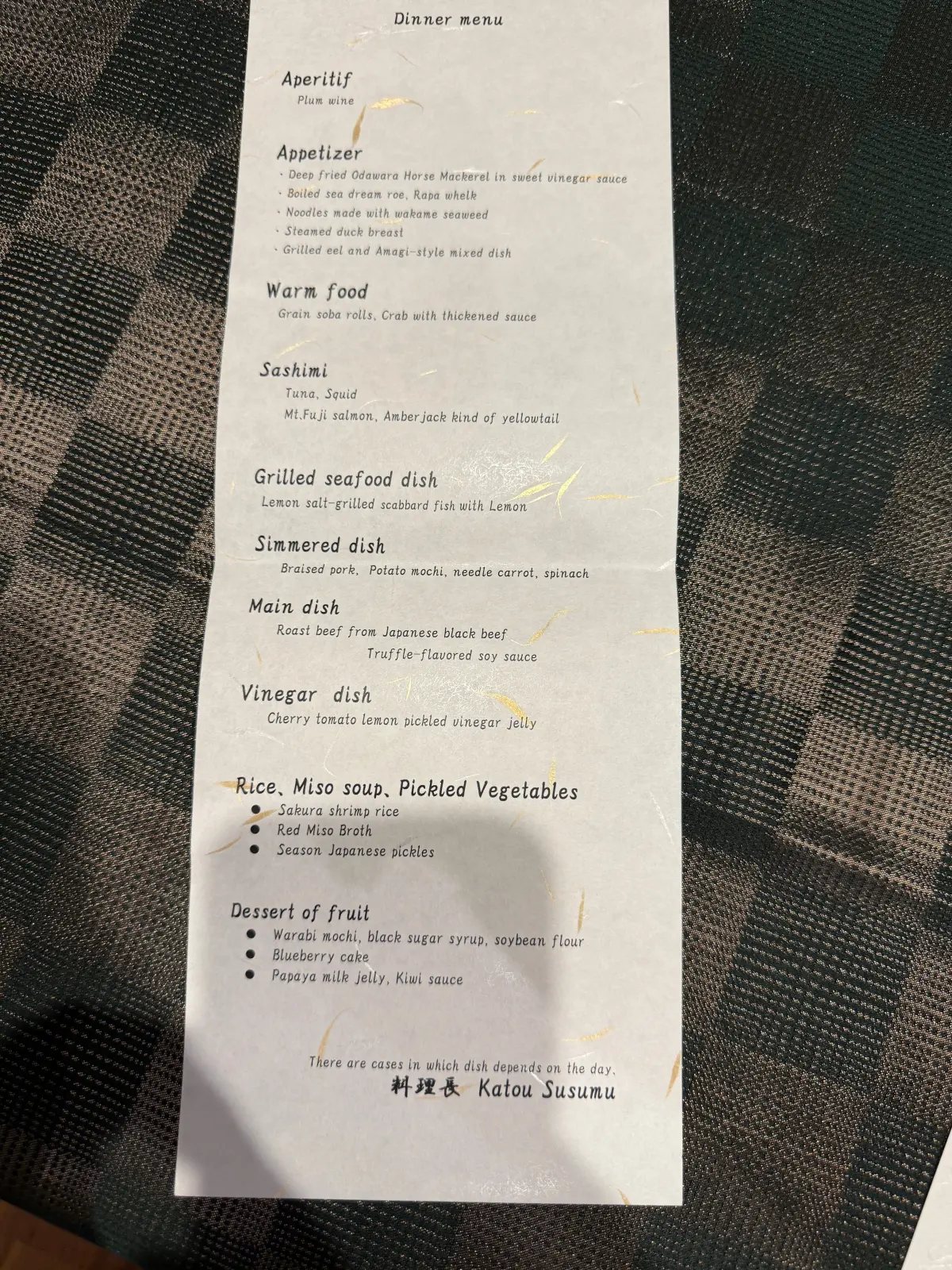
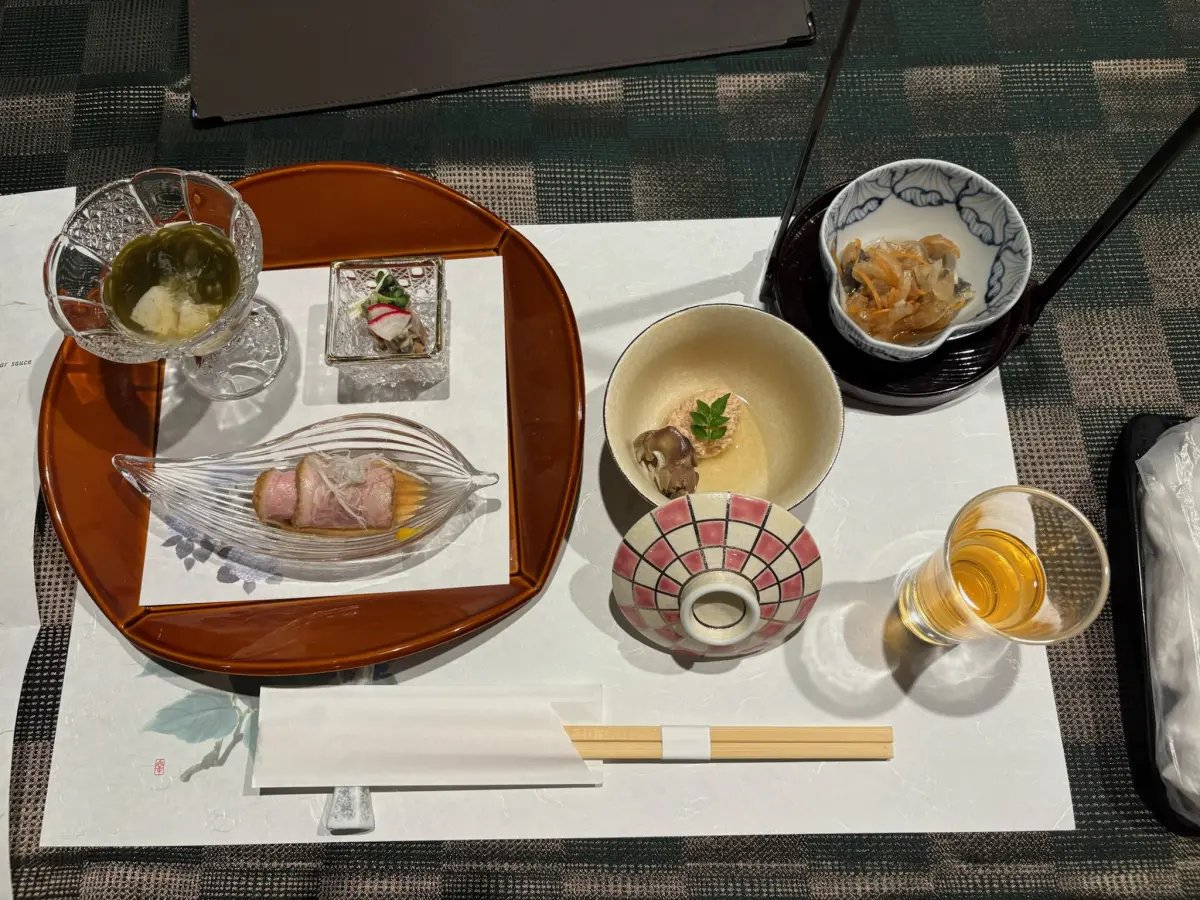
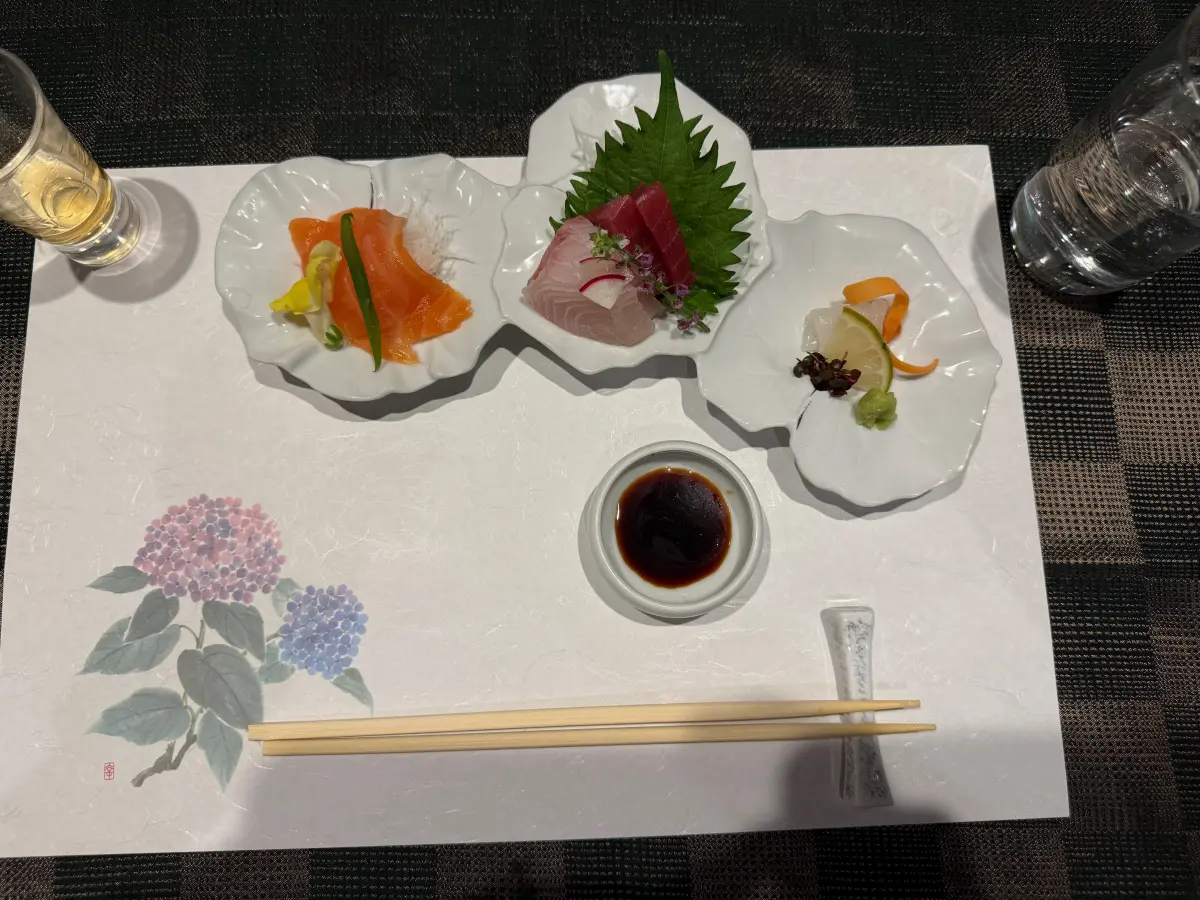
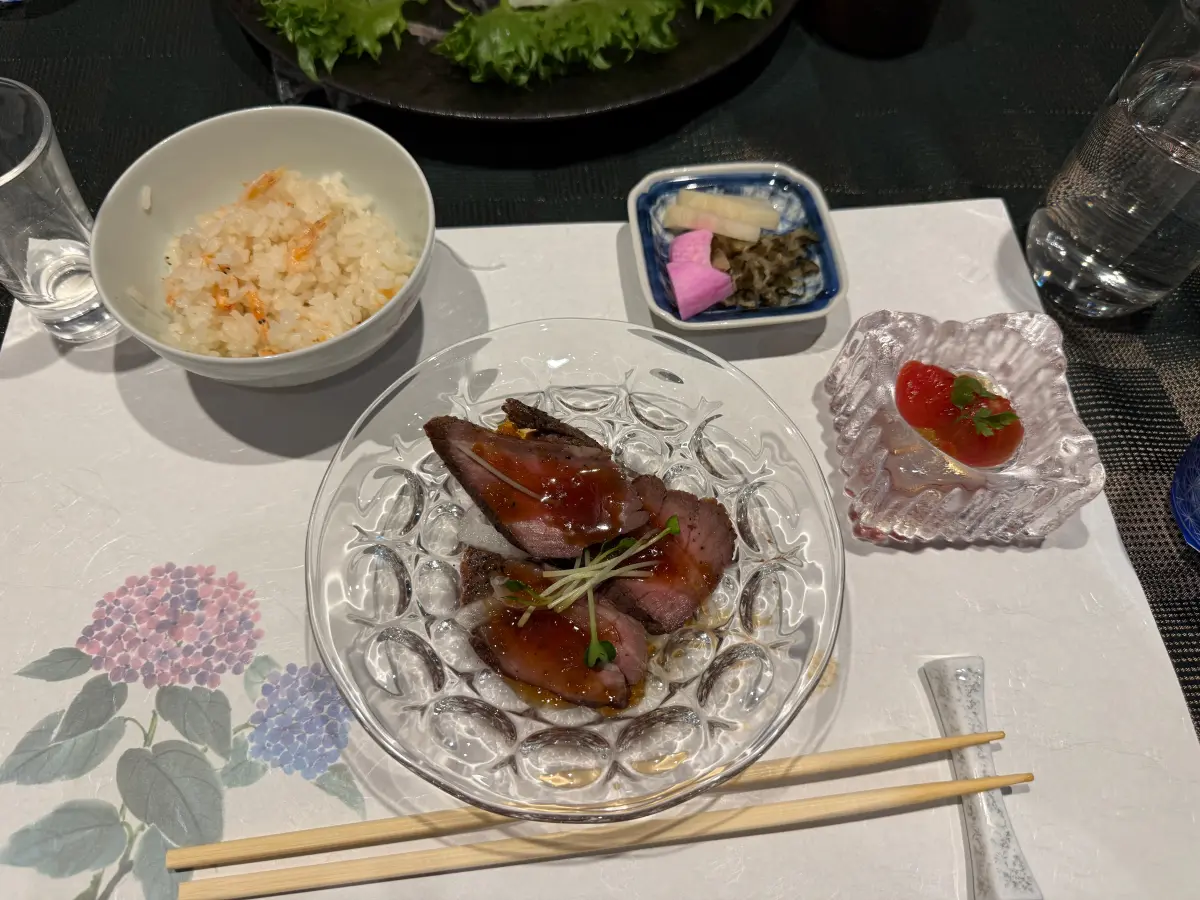
Dinner
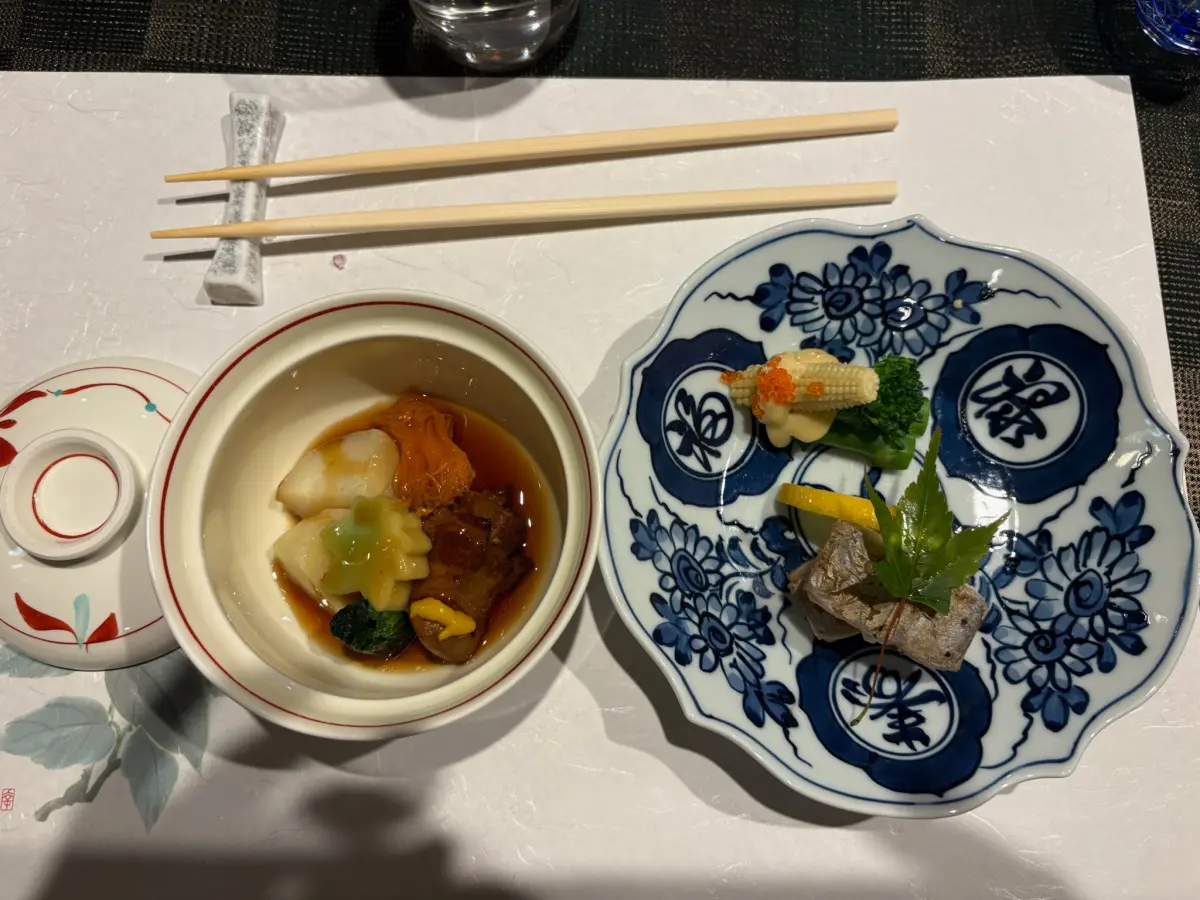
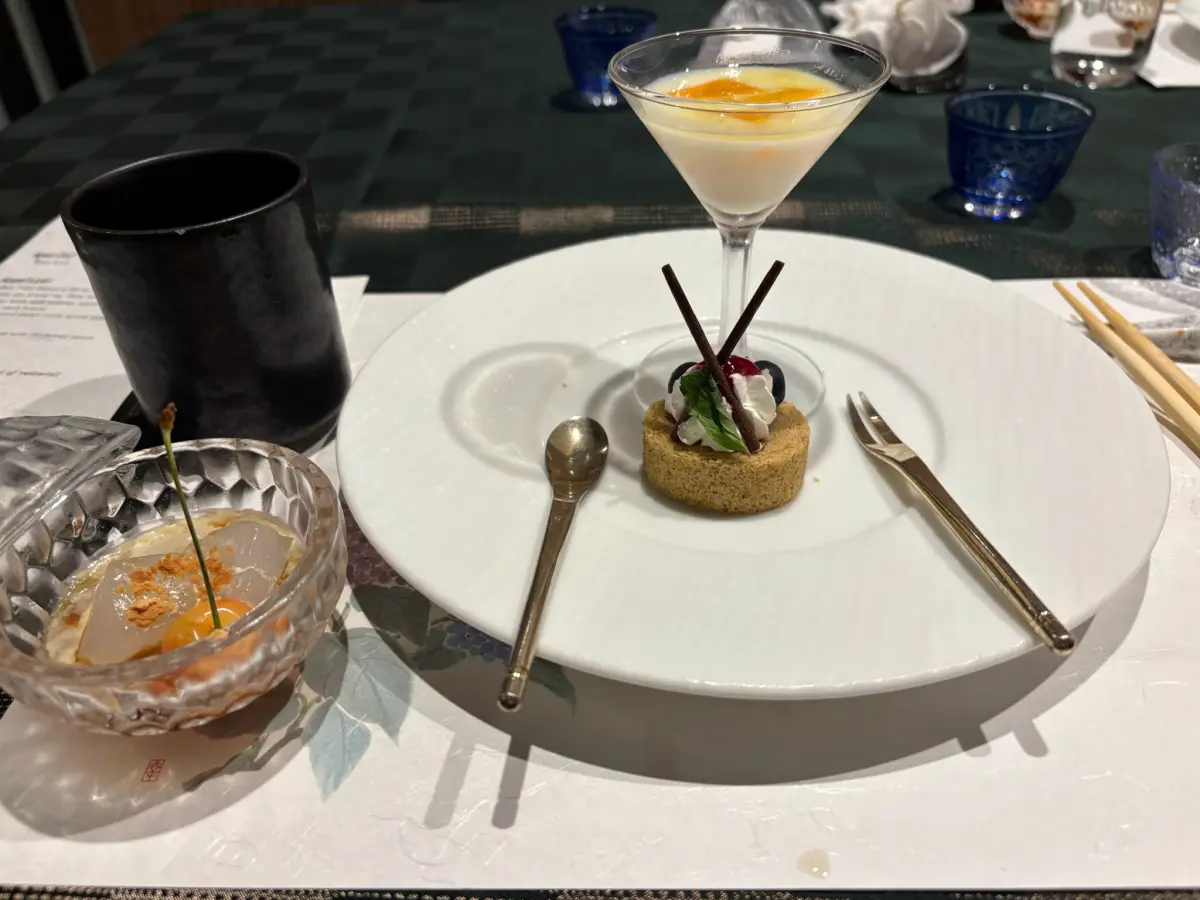
Most ryokan offer dinner and breakfast, which are often included in the room rate. Meals are typically keiseki, so we got a chance (or two, actually) to experience that again.